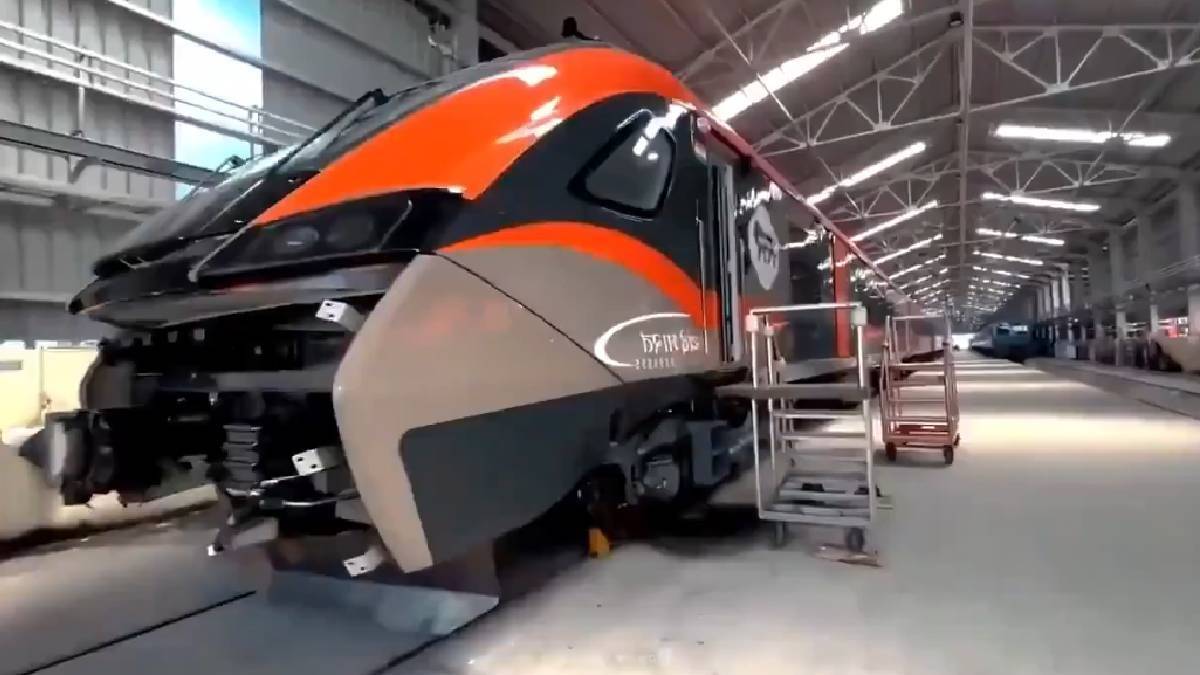
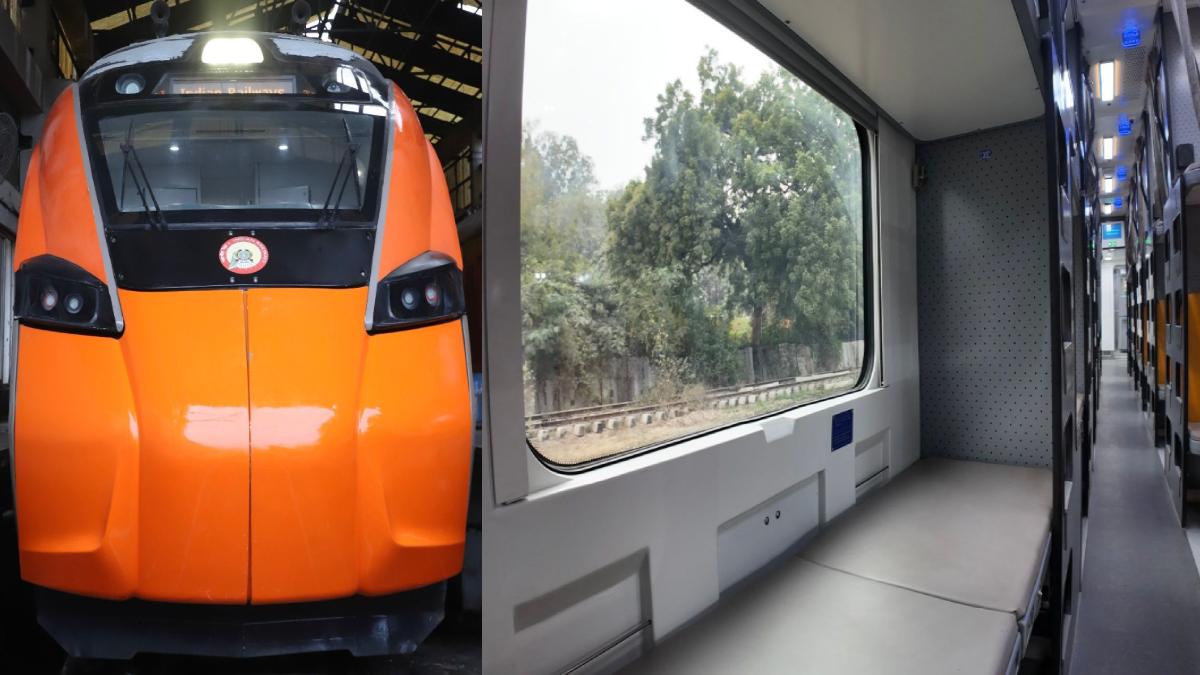
New trains such as Vande Bharat Sleeper are also making life much easier and more advanced in India's railway system. New trains have improved interiors, speeds, and safety features. One of them remains, however, a legacy issue that continues to waste the progress of littering. A recent social media message highlighted this problem with littering on the floor of a Vande Bharat Sleeper coach. The post also called on Railway Minister Ashwini Vaishnaw to place AI-based cameras which would detect littering and fine immediately for littering. This proposal has been the object of public interest and a vital question arises: how can our trains keep clean and help conserve public property?

Littering in trains is far from new. In spite of regular maintenance and announcements, some passengers continue to leave cups, wrappers, or food scraps on the floor. Not only will this carelessness make the train dirty, but it also means a huge disrespect for public space and the hard labor of cleaning staff. The Vande Bharat Sleeper has become a symbol of India’s advancement, constructed with taxpayer money to provide a world-class experience. When passengers litter, they spoil that travel experience for others and waste public funds.
This idea of installing AI-powered cameras within trains is powerful and fresh. These cameras would be able to tell when someone litters and raise an alert. The system might then pair the individual’s face or seat with their ticket number to issue a fine. Similar technology is already in use in smart cities and public transport systems in other countries. The idea is not to punish people harshly, but to give us reason to slow down on littering. If passengers do know they are being monitored and could be fined, they may act in a more responsible way.
Cleanliness doesn’t just mean hygiene, it means decency, pride and respect. When we maintain cleanliness in public spaces, we show that we care about others and are proud of our country. Dirty trains affect everyone. Passengers get uncomfortable, cleaning staff toil, tourists are left with a bad taste in their mouth, maintenance expenses increase. We need to change our habits if we want to keep up with global norms. Technology such as AI cameras will help; but only if people change their mindset also.
AI cameras may sound helpful, but there are challenges to keep in mind. People are concerned they can be watched around the clock and that installing cameras in every coach may become expensive. We need the system to be accurate to prevent being fined wrong, and passengers need a way to appeal if the system doesn’t work as expected. To do this, the railways and their infrastructure will have to be clear-cut and have signage and public-awareness campaigns. Passengers should understand what is authorized, what is not and how a system works.
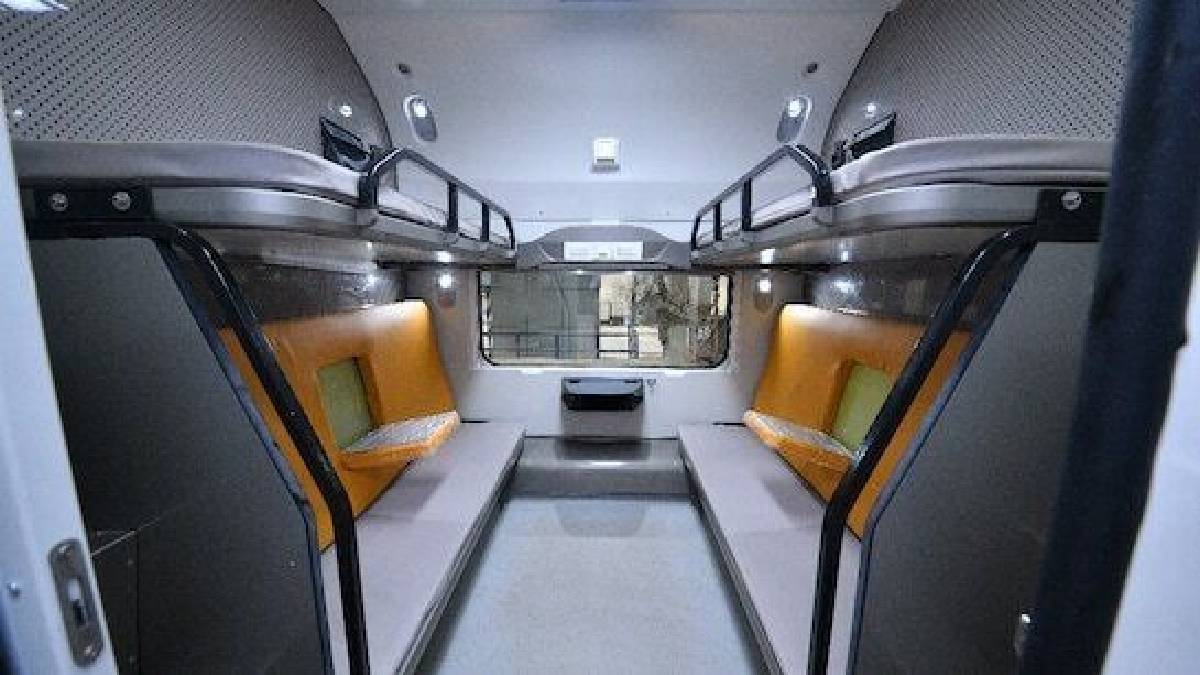
Even before we install AI cameras there are steps we can take to enhance cleanliness. There should be more dustbins placed in trains and stations. Public awareness campaigns allow passengers to promote good sense that public places should be kept clean. Passengers should have the opportunity to report littering, and little nudges can be offered with small rewards for keeping things clean. Staff should be equipped to guide travelers politely and keep cleanliness.
The Vande Bharat Sleeper is a big success for Indian Railways. But we must keep it clean to truly enjoy its advantages. A “smart step forward” with the idea of AI cameras to catch littering should be supported by education and fairness and public cooperation. Cleanliness is not only the railways’ job; it is the duty of every passenger.