India is a country of deep spirituality, rich tradition and diverse beliefs. Temples, rituals and festivals are woven into everyday life. Sometimes faith crosses into superstition – and that sometimes leads to confusion, embarrassment or even harm. But a recent incident in which people began adhering to a dustbin after flowers were dropped on it inadvertently has provoked discussion. Was it harmless piety, or evidence superstitious thinking is too strong a force? In a modern society, critical thinking is needed. This article explores the meaning of such events, dangers of blind faith, and what we need to be thinking about ourselves.
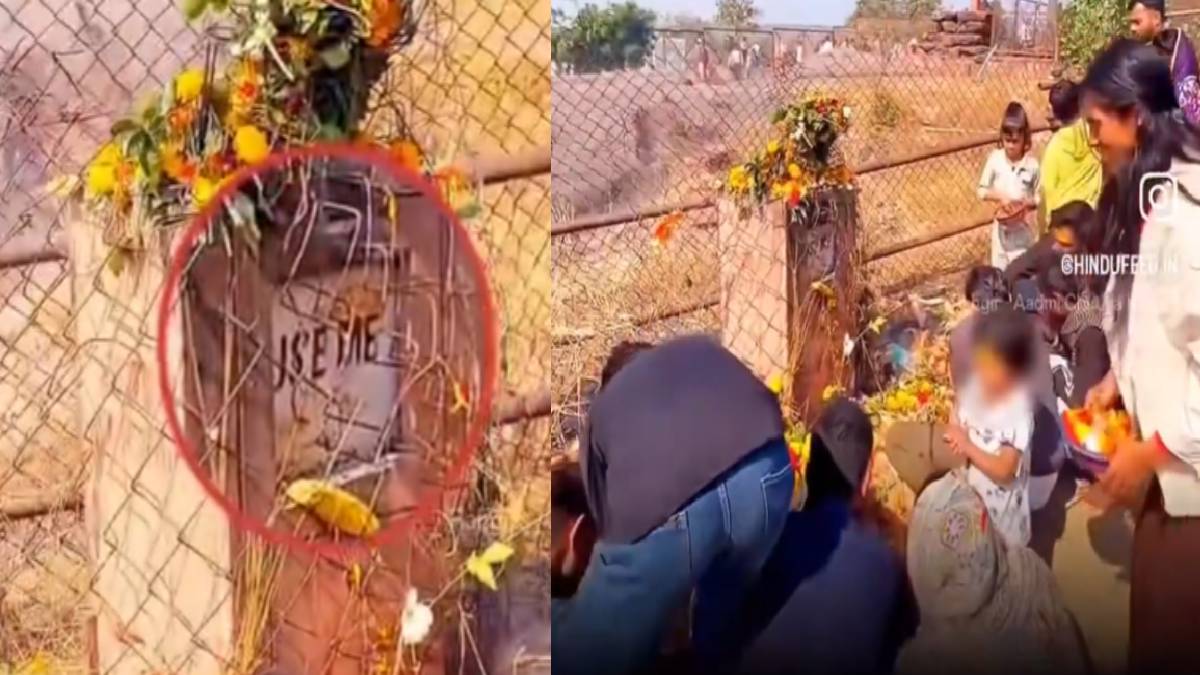
In a public place in India, someone accidentally dumped flowers into a dustbin labeled “USE ME.” Within an hour flowers were scattered at the disposal of the bin, and soon people began moving flowers around it as if it were sacred ground. Garlands were added, many even starting to worship. The scene spread widely almost immediately, and many people asked: “Have we lost common sense?” As funny or bizarre as the act is, though, it speaks to a larger issue of how easily symbols of faith can be misconstrued, and how superstition can spread without question.
Somewhere in India,
— Roshan Rai (@RoshanKrRaii) January 18, 2026
Flowers were accidentally dropped in a dustbin.
Within an hour, it became a religious place and people started worshipping it.
India needs immediate Anti Superstition classes, almost on war footing.
This is embarrassing. pic.twitter.com/UWjqiJC1iA
Faith is personal. It brings hope and strength and feeling included. But superstition is different. It’s usually driven by fear and ignorance and habit, not rationality. One problem is that worship should be done about things as they seem to be. The dustbin was never to be a religious icon in this case. But because flowers, things often used in worship, were visible inside it, people believed it had spiritual significance. It demonstrates how quickly belief can develop, even when its logic is absent and its context is absent.

Superstition is harmless, in small-scale doses. But, when it supplants common sense, it can influence public health, education and progress. People might shy away from important activities due to the belief that touching certain items brings bad luck, for instance. When they believe that illness is caused by curses rather than germs, they might refuse medical intervention. In a country such as India, where science and technology grow so fast, it is necessary to mix tradition with reason. Cultural respect doesn’t necessitate ignoring facts. We have to ask questions, seek truth, and educate ourselves.
Education is one way to combat superstition. Schools, families and media need to be teaching kids to think critically. They ought to get used to asking the question: “Why do we do this?” and “Does this make sense?” They will be made to make smarter choices, if people are clear about the difference between faith and superstition. Anti-superstition campaigns, science-awareness programmes, and open dialogue are possible. It’s not a hate attack of religion, it’s one to encourage clarity and understanding.
It’s important to respect people’s beliefs. For many this includes worship, prayer, and rituals. But respect is far from the same as silence. And if a belief is damaging, confusing, embarrassing, it’s all right to speak up. We can question ideas without insulting people. As for the dustbin, some people might think of it as an act of devotion. Others will interpret that as misplaced faith. Both ways of looking at it are important but the most important thing is learning from them.
The dustbin situation may seem minor, but it reflects an immense issue. When superstition supersedes common sense, society suffers as a result. India’s culture is where its strength lies; but also, its wisdom. Both have to be preserved. Let the word do something for that faith, encouraging education, asking questions and respecting the truth, and we hope to have a future where faith boosts not defrauds. Do not laugh at the dustbin. Let’s learn from it. Let’s teach our children to think, to question, and to believe in heart and then mind.