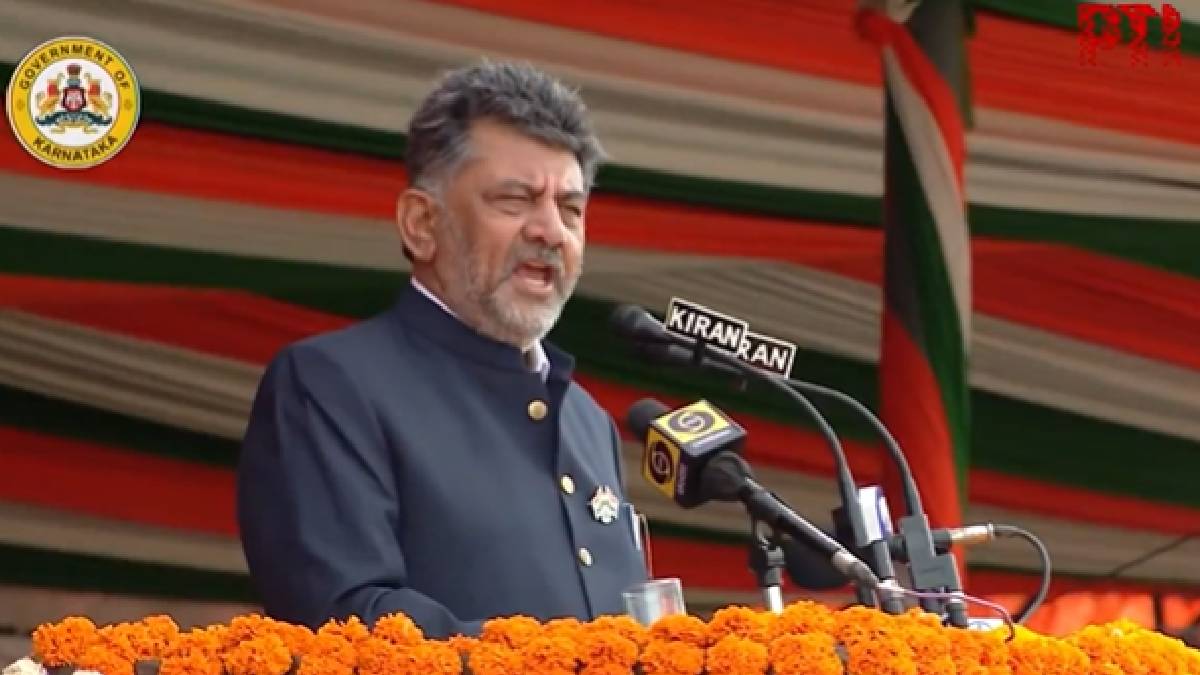
Karnataka Chief Minister Siddaramaiah has strongly criticized what he described as the spread of fake news by sections of the media and called on people to verify information before believing or sharing it.
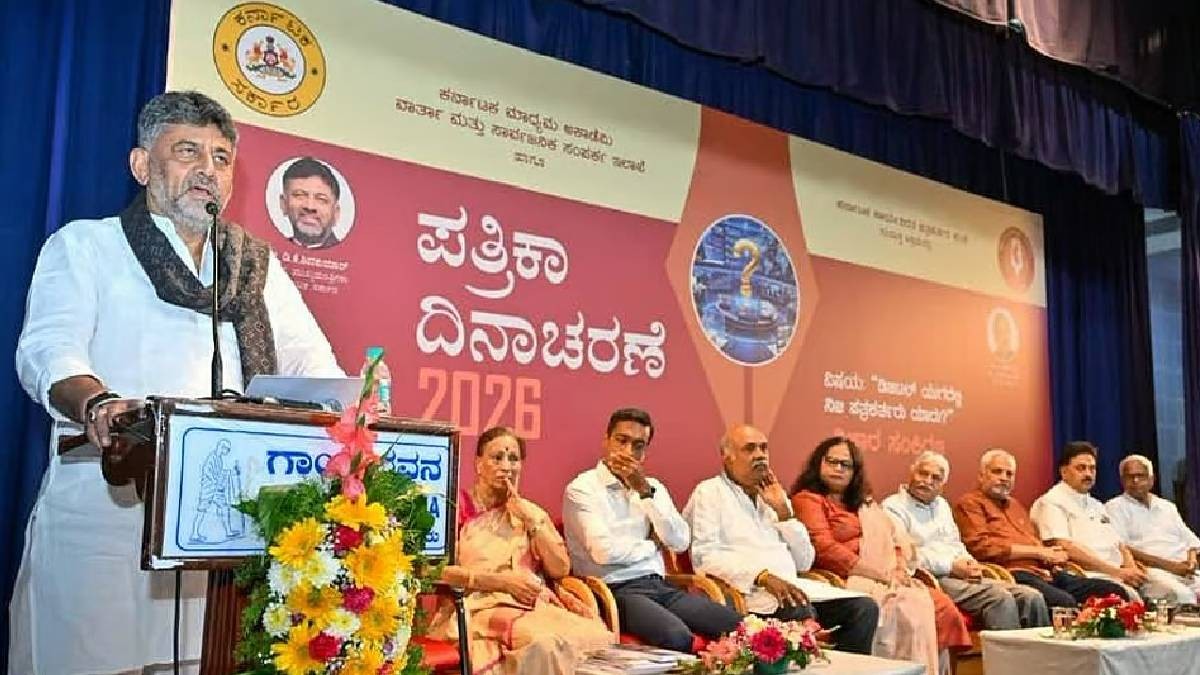
As Chief Minister, he said, “Don’t get addicted to fake news,” and that misinformation and unverified reports can mislead people and create unnecessary confusion.
CM Calls for Responsible Journalism
As Siddaramaiah said, the media is a vital element in democracy because it informs citizens and holds institutions accountable. But news organizations must make sure that information issued or broadcast is accurate, verified, and presented with care and accuracy, he said.
The spread of false and misleading reports can undermine public confidence in such public affairs and, therefore, social harmony, he warned.
Appeal to the Public
The Chief Minister instructed citizens to be careful when ingesting news, particularly on social media platforms that spread misinformation very quickly.
He advised people to:
- Verify news from credible sources.
- Don't forward unverified tips.
- Do not forward sensational headlines.
- Keep your eyes on official statements for news and updates.
- Don’t share false information if it’s not true.
According to him, responsible information sharing is essential in the digital age.
Criticism of Sections of the Media
Siddaramaiah said some sections of the media published reports without any kind of verification, and this led to inaccurate information circulating.
All of which he criticized, but he also said that responsible journalism is a foundation of democracy and factual reporting is fundamental to maintaining public confidence.
The battle against fake news is ongoing.
The Chief Minister's remarks come at a time when misinformation is increasing because of the spread of content on the web and messaging apps.
Fake news may influence public opinion, create panic, and distort facts if it goes unchecked and has no control over the masses, experts say.
Governments, technology companies, media organizations, NGOs, and civil society organizations have been working to promote digital literacy and fact-checking practices.
Importance of Media Ethics
Media professionals are generally expected to hold themselves to ethical standards:
- Reviewing information before publication.
- Bringing out balanced and accurate reporting.
- Clearly distinguishing facts from opinions.
- Correcting errors promptly. Stopping sensationalism.
These principles will ensure the credibility of journalism and the public’s trust.
Public Reaction
The Chief Minister’s comments have stimulated discussion in both political and media circles. His appeal for greater caution against misinformation resonated with some people; others said that press freedom should be protected, but responsible reporting should also be done.
The comments have once again brought out the debate over misinformation, media accountability, and the role of digital platforms in shaping public discourse.
Conclusion
Chief Minister Siddaramaiah's appeal against fake news underlines the mounting importance of checking information in an instant-communications era. Reaffirming the importance of a free press, he issued a call to the media and the public to act responsibly, ensuring that accurate and verified information remains at the heart of public discourse.