Abhijeet Dipke, the very founder of the satirical political outfit Cockroach Janata Party (CJP) is back home after a long stay overseas. The unusual activist and critic of system failure is now known to have his hands in the ground and he has announced he will lead a peaceful protest movement in response to the frequent breakdown of exams that have shaken students' faith in the system.
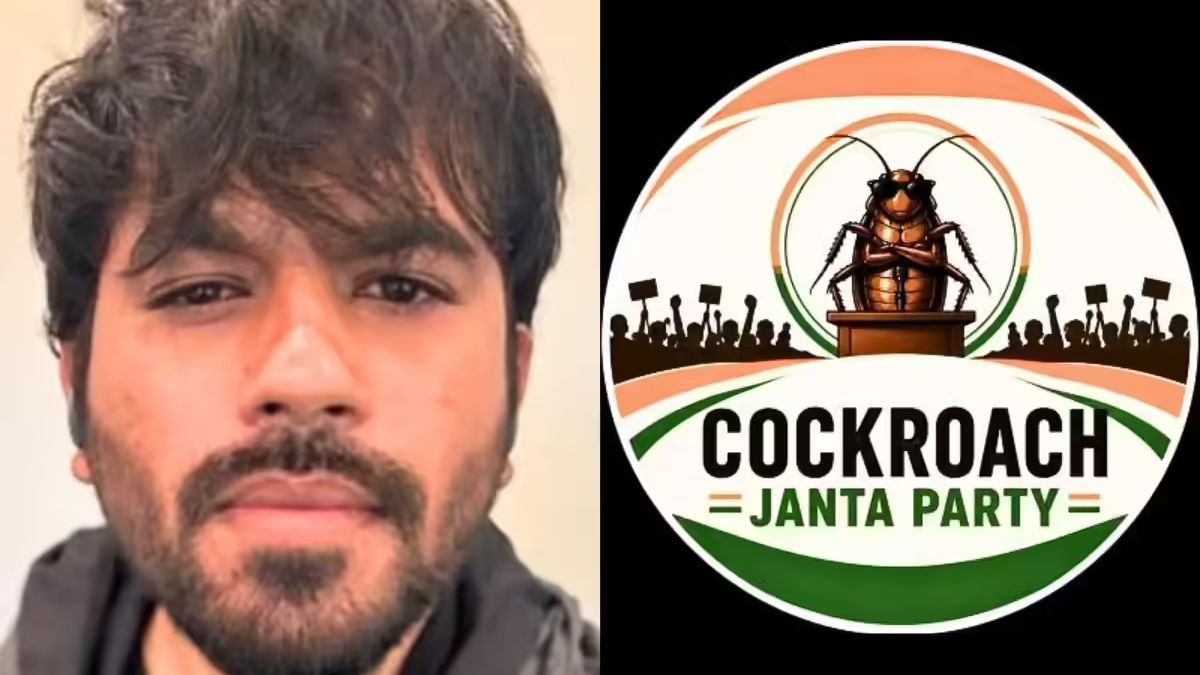
Dipke, who first gained fame via CJP as a symbolic protest against corruption and inefficiency (as he has referred to it in English), said his new campaign is not so much about political power as it is about restoring confidence in India’s education system. “The future of millions of students is being compromised by repeated exam leaks. It is not just an academic issue— it is a moral crisis,” he said.
At a time when several competitive exams have been marred by leaked papers, criticism of transparency and accountability is high. Dipke’s call to mobilise students and parents to stage peaceful protests is the first step in turning public anger into actionable civic engagement.
As we know, the Cockroach Janata Party was originally conceived as a satirical attack on mainstream politics, but Dipke’s return shows a move towards more issue-based activism. His stance on non‑violence and civic engagement is in line with India’s protest culture in which symbolic movements are often used to spark larger discussions.
Dipke’s supporters say that his unusual style resonates with young people disillusioned with politics and bureaucracy. But critics say his efforts are an attention‑seeking strategy, saying CJP has never held elections or presented tangible policy solutions. But Dipke’s new focus on education reform is going to win him a wide audience.
Dipke has announced that the first phase of the protest will be silent marches and sit‑ins outside education boards and government offices. He has also called for a wider use of technology to secure examination processes and for officials to be held accountable for protecting question papers.
As the movement gets set up, Dipke’s symbolic party and his latest campaign are one of the few ways to turn satire into actual reform. But for now, his return has reignited the conversation on how activism can help fix systemic problems, and students and parents will be watching for his promises of peaceful protest to become a reality.