Despite the controversy over the alleged use of pellet guns by the Rapid Action Force (RAF) against protesters on July 20, Central Reserve Police Force (CRPF) Director General Gyanendra Pratap Singh is providing full support to his troops. Speaking to his officers at a ceremony in which the CRPF was invested on Wednesday, DG Singh said that he would personally take control of all operations and actions in the course of their responsibilities as well as of the actual work of the organization.
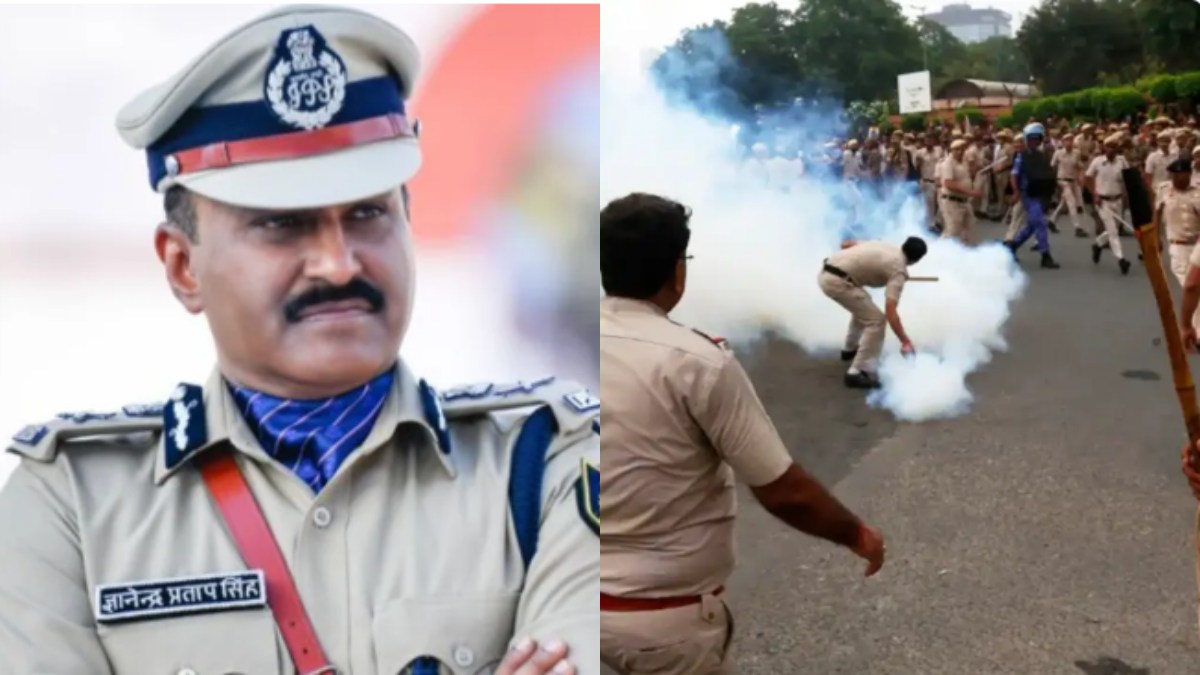
The official backing comes as crowd control methods employed during the 'Chalo Sansad' march to Parliament were under intense scrutiny from the Cockroach Janata Party (CJP) student group. While official police statements have denied possession or use of pellet guns, and the claim that earlier reports were false and misleading, new information about these was uncovered in the investigation. Times Now obtained a General Diary (GD) entry from the Parliament Street police station at 1:24 AM on July 20, which shows senior Delhi Police officials had cleared specific crowd control munitions in advance of the July 20 demonstration.
According to the document, a Deputy Commissioner-rank officer cleared 55 non-electrical shells, 15 electrical shells, 5 tear gas grenades, and 2 Anti-Riot Guns. Also in the entry, we can see that RAF personnel in CRPF deployed to Delhi Police fired two rounds of plastic pellets from an anti-riot gun under the DCP's orders. This is the first time that such equipment has been used against protesters in the capital and the government has now started a thorough investigation and is looking into why the official General Diary entry was two days late.
As of now, Delhi Police investigators are looking at the security of the demonstration as we know that about 2,873 people with criminal records were detected at the Jantar Mantar protest site during July 20 and July 25. These arrests are based on advanced technology such as the Facial Recognition System (FRS), and investigators are now investigating who is to blame for the violence that erupted during the protest, and the crowd control and anti-riot munitions use.