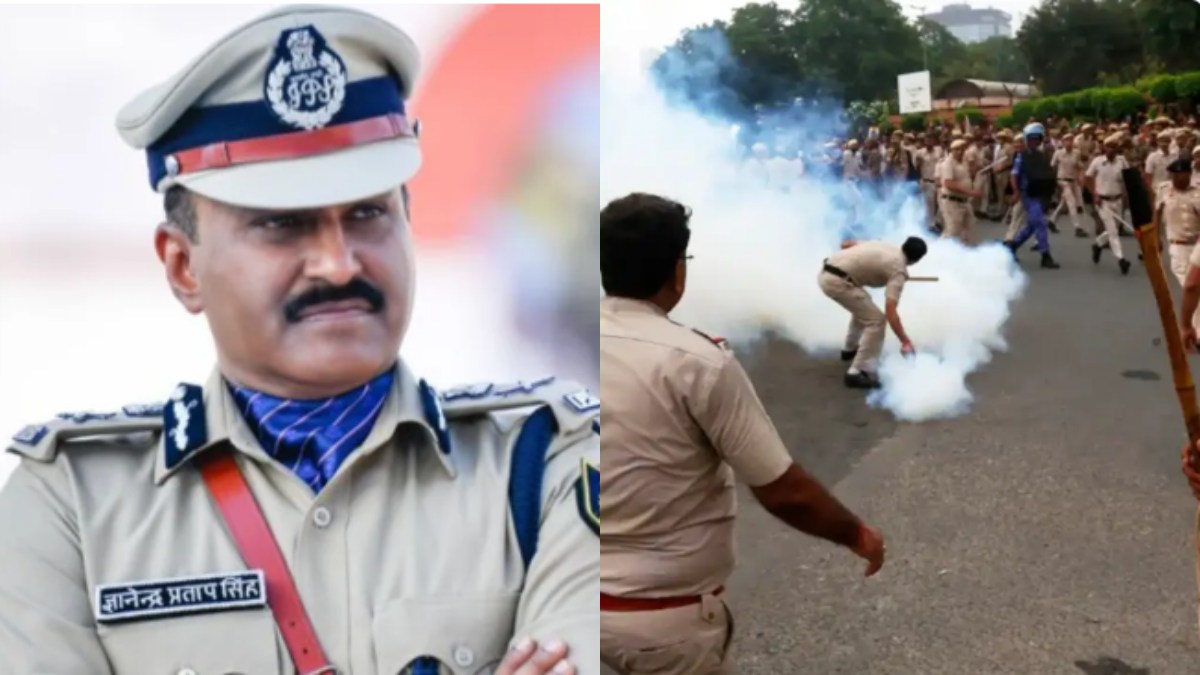
A leadership, trust, and accountability message of trust and accountability has also come from the Director of the Central Bureau of Investigation (CBI), who has supported the Director General of the Central Reserve Police Force (CRPF) to his staff with confidence and credibility.
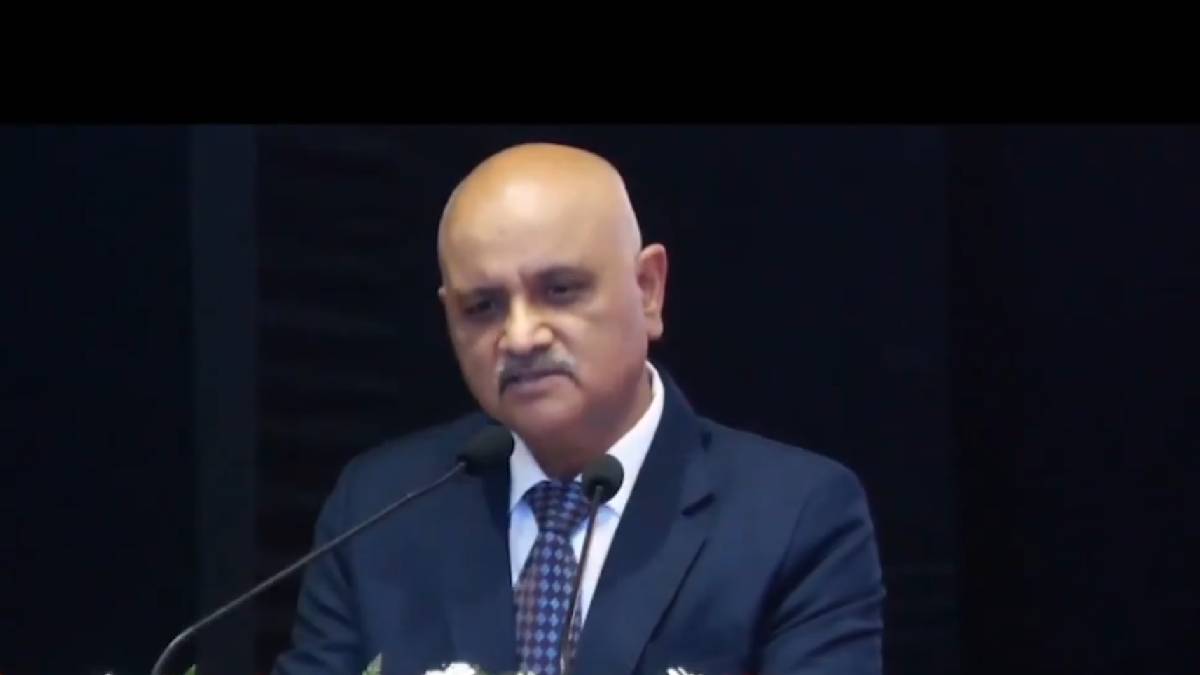
He also said the CRPF chief told the personnel not to be afraid in case of a crisis and promised them that he would take responsibility if anything went wrong.
🚨 HUGE! “I’ll take the blame.”
— The Analyzer (News Updates🗞️) (@Indian_Analyzer) July 30, 2026
CBI Director publicly backs the CRPF DG’s message to his men🔥
CRPF DG said: "Don’t hesitate in a crisis.
— If anything goes wrong, I’ll take responsibility." pic.twitter.com/gbzLDBxn1Q
“Don’t hesitate in a crisis. If anything goes wrong, I’ll take responsibility,” the CRPF Director General said in his message to the personnel.

The statement was widely interpreted as an expression of confidence in the force and, therefore, to encourage officers and personnel to act decisively in difficult or rapidly developing situations. The CBI Director’s public support also laid bare the importance of leadership that combines operational confidence with accountability.
As in security and law enforcement organisations, personnel often have to make important decisions under pressure. Emergencies can erupt rapidly, and emergency situations can be fast to escalate; officers can have little time to assess risks, coordinate with colleagues and plan an appropriate response.
The CRPF DG’s message seemed to address the concern that hesitation during a crisis can lead to an increase in risk or delay necessary actions. In telling the staff that senior leadership would take responsibility, the statement was clear that officers should not be paralyzed by fear of personal blame when doing the right thing in a very difficult case.
The CBI Director’s vocal backing of the message was seen as a major endorsement of this leadership approach. The support said that accountability should not simply involve those on the ground and senior officials must be prepared to stand behind their teams.
The comments have fuelled the debate about the role of leadership for large security institutions. Many observe that good leaders need to be able to provide clear direction and the people are trusted to take decisions in line with the law and the processes are well established.
But the assurance of responsibility is not a license to ignore rules or legal safeguards. Security personnel are to act according to the law, operational guidelines are to be met, and decisions are made based on sound judgement. Accountability has always been a core tenet of professional conduct, especially when decisions affect public safety and human lives.
Instead, the message calls for the distinction between good-faith decisions made while an emergency is in progress and deliberate misconduct or negligence, and that is where the message is that the difference between good-faith decisions made during an emergency and deliberate misconduct or negligence is what is to be distinguished. Senior leadership support could help staff to respond with confidence and remain disciplined and follow the procedures to the best of their ability to comply.
The CRPF has one of India’s largest central armed police forces and is responsible for internal security, counter-insurgency operations, election duties, disaster response and the protection of important installations in such environments. Its personnel are used to working in stressful circumstances and need quick decision-making and close coordination.
Leadership communication can have a direct impact on morale in these situations. Senior officers are willing to accept responsibility; thus, a message that the leadership and the people working in their place feel that they can trust them could be positive.
The statement also reflects a basic principle of institutional leadership: responsibility must move upward as well as downward. Although people need to be accountable for their actions, senior officials must be there to support, advise and oversee when teams are confronted with high-pressure scenarios.
The CBI Director’s endorsement has added weight to the discussion. Public backing of the CRPF DG’s words has been interpreted by supporters as recognition that decisive action and accountability must go together.
The message also has been carried beyond the security field. It’s been described by many as an example of leadership in which a senior official gives subordinates the confidence to act while making it clear that the leadership will not distance itself from difficult decisions.
The phrase “I’ll take responsibility” has thus been the dominant theme of the discussion. It is an expectation that leaders are not only supposed to give the instruction but also to be there for the team when things go wrong.
In the same way, this statement has further focused on the importance of trust, clarity and accountability in India’s security institutions. The CBI Director’s public support has reinforced the need for leadership that is quick, decisive, professional and holds staff to account as well as the obligation to protect the public.