Cuba saw widespread darkness after the country’s national electric power grid crumbled, leading to almost the whole island without electricity and disrupting daily life for an estimated 10 million residents. It was an unprecedented outage affecting major cities (Havana, for instance) and rural areas across the Caribbean.
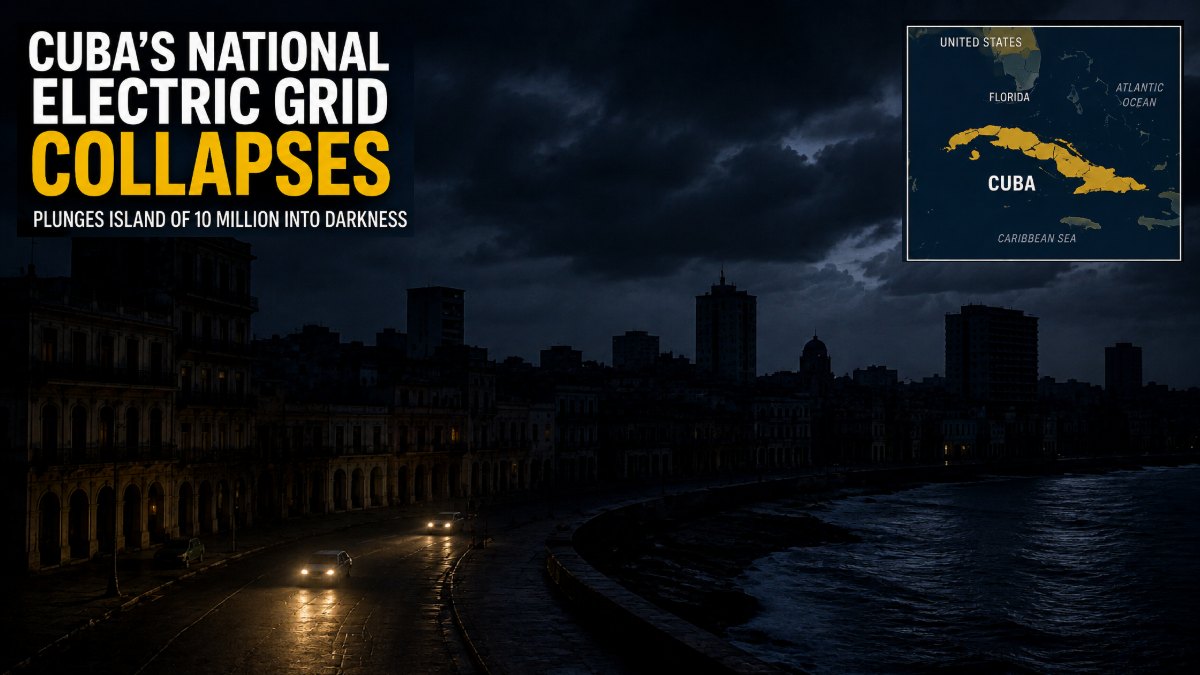
The nationwide blackout was the result of a breakdown of the country’s power generation and transmission system. Energy officials confirmed that the collapse of the national grid brought electricity out of service to most of the island within minutes. On this day, homes, businesses, government offices, hospitals, transportation and communication networks were disrupted, and the impact on Cuba’s ageing and under-resourced electrical system was magnified.
Residents all over the country reported sudden power loss that left entire neighbourhoods in darkness. Streets that are normally illuminated at night went dark, traffic signals were not working in many cities and transportation was disrupted. Businesses were forced to shut down, and many homes were unable to get to the lights, refrigeration, air conditioning and internet services. Public transportation systems and the rest of the critical infrastructure were also affected, causing a lot of problems for local authorities.
Emergency efforts by government officials and energy authorities were immediately launched to restore electricity. Technical teams were deployed to assess damage, determine the cause of the failure and eventually link power generation facilities back to the national network. A restoration of a nationwide grid after a complete collapse is a tough process, and the power plants and transmission lines need to be synchronised in order to avoid any more breakdowns and to maintain stability of the entire system.
The blackout is at a time when Cuba is struggling with long-standing energy problems. The country’s electrical system is under increasing pressure in the form of ageing power plants, maintenance issues, fuel shortages and an increasing need for electricity. For decades, Cubans have faced rolling blackouts and electricity rationing, especially during periods of high consumption and extreme weather conditions.
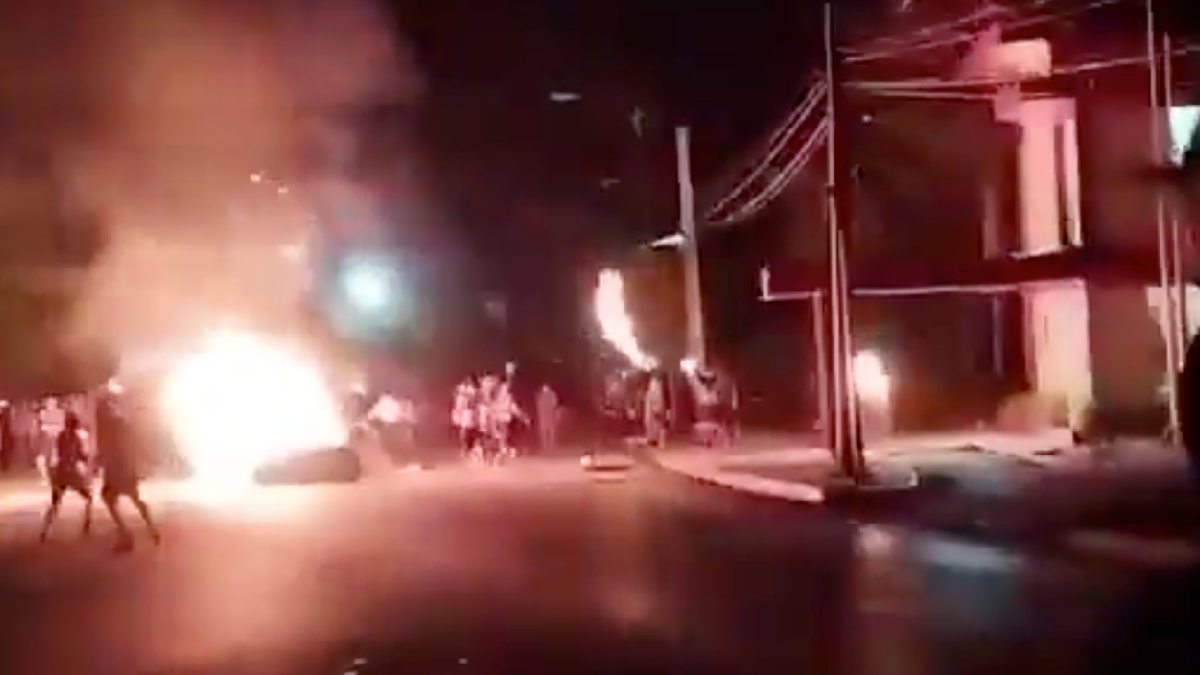
Hospitals and essential public services turned on backup power systems to maintain critical services. Emergency services remained on the watch list, and they told people to conserve fuel and follow the authorities’ information about restoration efforts. Government agencies also worked with local governments to deal with possible public safety issues from the blackout at the local level, such as traffic management and emergency response preparedness.
The outage had economic impacts on businesses, factories and commercial establishments. Such small businesses were particularly hard hit because they relied on refrigeration and electronic payment systems. Tourism facilities faced operational challenges as well, but many larger hotels were forced to rely on backup generators to maintain service to guests. The large scale of the blackout highlighted the vulnerability of the economy to disruption of electricity supply in the country.
Residents voiced frustration at these recurring energy problems and posted pictures of dark streets and neighbourhoods on social media and local forums. For many Cubans, the latest blackout raised questions about the reliability of the national power system and the economic repercussions of energy shortages on the whole. “If the power system is disrupted for a long time, productivity, confidence and the economic recovery in general will suffer,” analyst Peter D’Angelo noted.
The government is working on restoration work to bring the generating units back online and restore power to the power grid and stabilise it. And energy experts say full recovery will take time, depending on the extent of the technical problems that caused the collapse and the extent of the technical problems that occurred at the time of the collapse.
The nationwide blackout is another reminder for those states with weak energy systems and the challenges they face. And for millions of Cubans, the only immediate concern is the restoration of electricity and life as usual in the country after one of the biggest power outages in recent history.