Narendra Modi inaugurated a key part of the Delhi-Amritsar-Katra Expressway, a major milestone in India’s highway network to date. The new section will reduce travel time to the venerated shrine of Mata Vaishno Devi in Jammu and Kashmir, one of the most visited pilgrimage spots in India, to be linked to the country in a country with the highest number of people who visit it.
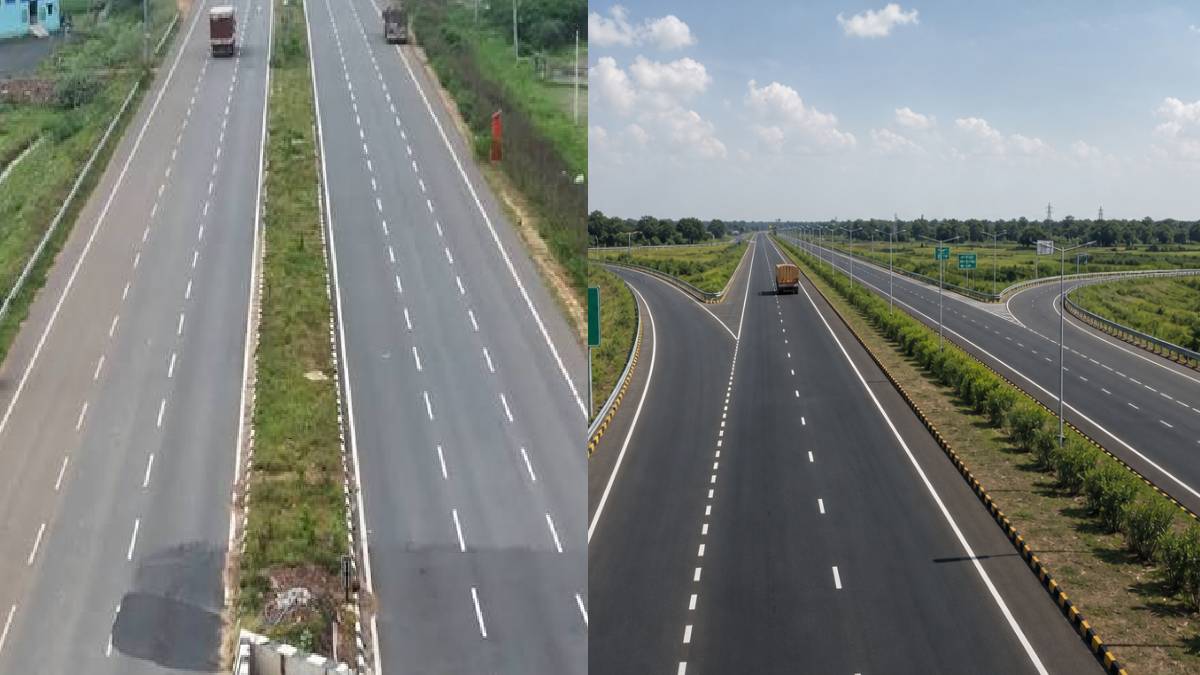
The Delhi-Amritsar-Katra Expressway is a key greenfield highway project that will facilitate faster, safer, and more efficient road connections between the National Capital Region, Punjab, and Jammu and Kashmir. The expressway will also be a source of transportation links in northern India and will create economic growth for the region that will benefit from tourism, trade, and the rest of the country.
The project will be one of the biggest benefits of the project - millions of devotees frequent the Mata Vaishno Devi shrine every year. Better road infrastructure will make traveling to Katra, the base camp for the pilgrimage, more comfortable, allowing travelers to reduce travel time and traffic congestion on existing highway roads. And the better connectivity in the region should increase religious tourism.
Besides pilgrims, the expressway will enhance the movement of goods and services between Delhi, Haryana, Punjab, and Jammu and Kashmir. Greater logistics and a reduction in transportation costs will be beneficial to business, agriculture, manufacturing, and commerce, and will help to drive regional economic growth.
The expressway was built to current engineering standards (controlled access, multiple lanes, safety features, service roads, intelligent traffic management, etc.). These features can improve road safety and increase traffic volume and thus travel efficiency.
The project also mirrors the Government of India’s continued focus on large-scale infrastructure development under such transportation projects to modernize the country’s transportation network. In the last 10 years, investment in expressways, highways, railway corridors, airports, and logistics infrastructure has been the focus of the government to increase transportation connectivity and support economic growth.
The better connectivity will be beneficial for pilgrims and tourists to the tourist places in Punjab and Jammu and Kashmir. Better road access will also result in more tourism activity for local businesses, hotels, restaurants, transport operators, and other service providers.
From an economic point of view, the expressway provides a better connection to border regions, and it also facilitates people’s mobility for both humanitarian and logistical purposes. It is noted that better transportation facilities are required for the development of the region and for access to northern India.
During the inauguration of the new road, Prime Minister Modi stressed the role of world-class infrastructure in the growth of the economy, shortening travel time, and improving the quality of life for the people of India. Modern highways are the backbone for connecting people, supporting industries, and creating new routes of development, he said.
Infrastructure experts believe the Delhi-Amritsar-Katra Expressway will become a crucial transport route once completed and will be a key transportation artery for India’s expanding expressway network, improving connectivity between major cities and religious destinations.
The inauguration of this huge stretch is a step in the right direction towards connecting road networks in India. As more sections open up, the expressway will change the way people travel, pilgrims go, tourists go, and the economy of India as a whole will be made faster, safer, and more efficient at its heart.