The Delhi government has officially announced a 100 percent pay hike for disaster management personnel based in the capital as part of a long overdue salary hike for them in 16 years. And this is a big change in policy for project officers, district project officers, and project coordinators under the banner of Delhi State Disaster Management Authority (DDMA). The compensation for these important jobs had been frozen since 2009, failing to reflect the realities of today’s economy and living conditions.
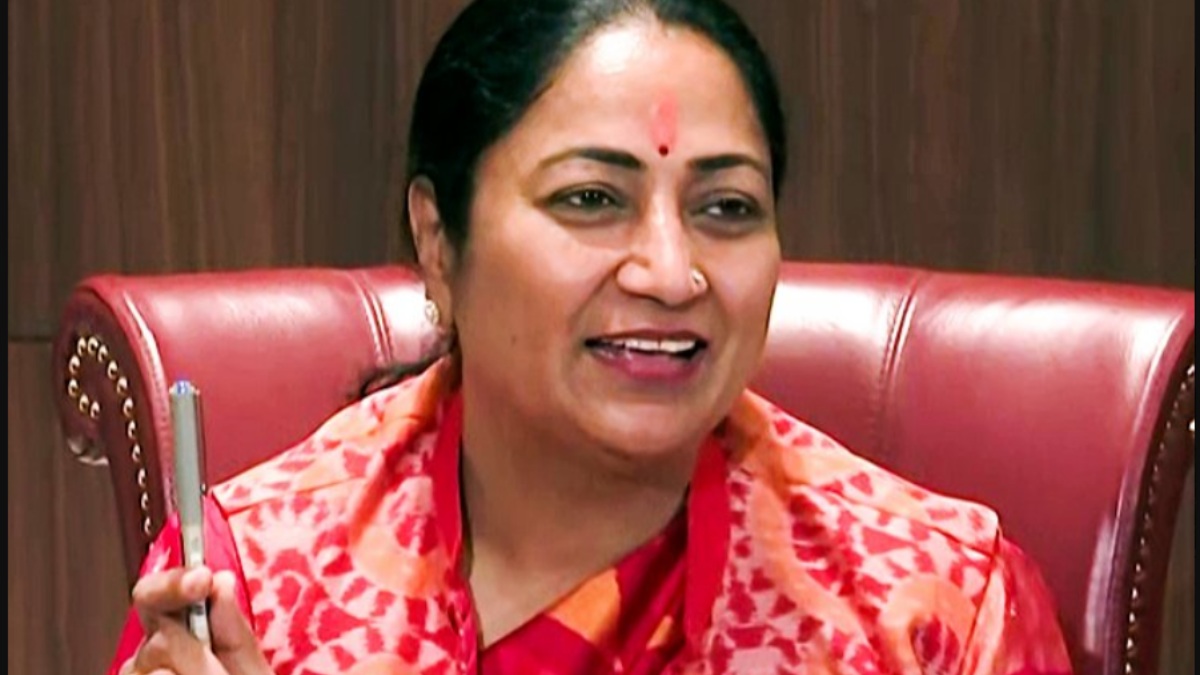
In a long-awaited decision, Chief Minister Rekha Gupta said that the administration has delivered justice to disaster management personnel who have contributed to this process in dealing with emergencies and crises in the national capital throughout the life of disaster management and that our disaster management staff who have played a key role in overcoming them have been paid fairly. The specialized positions were first established in 2009 with the assistance of the United Nations Development Programme (UNDP). Since their inception, district project officers and project officers were paid a fixed salary of Rs 25,000 per month, and project coordinators Rs 20,000 per month with no increases.
Stagnation and increasing responsibilities. The remuneration has remained unchanged over the past decade and a half, despite constant inflation and a steady upsurge in day-to-day administrative and operational work. These positions were not included in any regular government pay matrix, hence the affected employees were not included in the periodic salary hikes, annual increases, and Dearness Allowance benefits for other state employees.
The state government said the new compensation package is specifically based on the expanding scope and critical role of disaster management professionals. These people are responsible for developing district disaster management plans, conducting detailed risk assessments, identifying vulnerable areas in urban areas, working in coordination with municipal and state departments, and operating critical Emergency Operation Centres during high-stress disaster situations.
Comprehensive welfare measures and future capacity building. Besides the acute emergencies and immediate rescue response, disaster management personnel do a lot of groundwork in the form of frequent mock drills, community training programs, and continuous improvement of disaster preparedness in the community as well as in general and disaster management is done to the city and other disaster management activities.
Chief Minister Gupta also said that the administration is looking into additional welfare measures to enhance the professional cadre. These might be performance-based annual increments, medical insurance coverage for employees and their immediate families, and training workshops or capacity building programs. No less so for the government, rather than a financial boost, we are trying to build a robust and highly professional disaster management model to deal with future urban challenges.