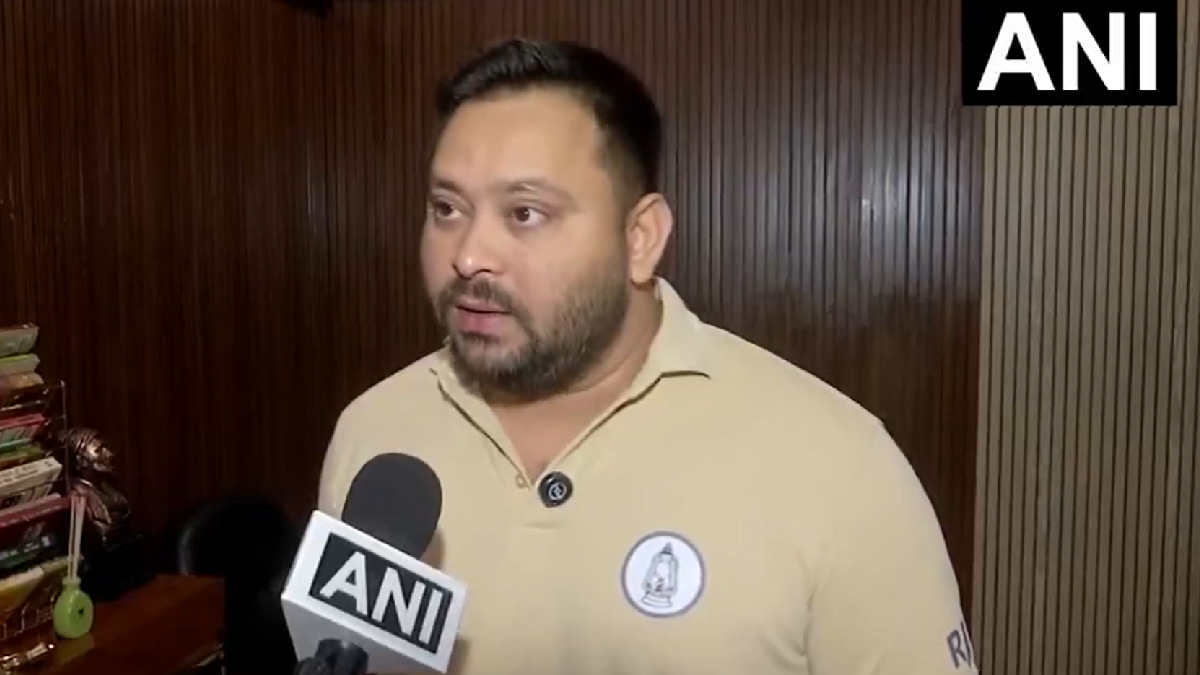
Delhi is seeing a significant increase in seasonal influenza infections with H1N1 cases recorded in Delhi alone so far this season with more than 1,777 H1N1 cases. In fact, 114 H1N1 infections were recorded on Thursday alone, reflecting the continuing spread of influenza in the national capital. The city had 2,602 influenza cases reported so far this year with 2,392 cases of Influenza-A and 210 cases of Influenza-B.
The high number of infections has led the Delhi government to reinforce its health advice and remind residents to take basic precautions against respiratory infections. People should be kept on top of respiratory hygiene, avoid crowded places if possible and seek medical assistance if influenza-like symptoms develop, it said. Surveillance is being reinforced across hospitals and districts of influenza-like illness (ILI), severe acute respiratory infection (SARI), influenza and COVID-19.
H1N1 symptoms families should watch for
H1N1 (swine flu) may also have symptoms very similar to the seasonal influenza. Common symptoms are fever, cough, sore throat, headache and body ache. People who have a serious disease may have difficulty breathing, especially if the infection is more severe or complications develop.
It has been advised that residents should not ignore symptoms that are persistent, worsen or become severe. People with influenza-like symptoms should see a doctor if they are not getting any help. Early medical evaluation is more important for people who are more susceptible to complications.
Parents should keep an eye on children when they develop persistent fever, cough, unusual tiredness or breathing-related signs. And family and caregivers must monitor older people very closely, especially those at risk for health complications.
Why children and elderly people need extra caution
The Indian Council of Medical Research (ICMR) has found seasonal influenza, including H1N1, is generally self-limiting and most people recover with appropriate care and adequate rest. Young children and elderly people are more susceptible to complications and, especially when they have underlying health conditions, may be more likely to have them themselves.
According to ICMR sources cited by PTI, no new H1N1 strain has been identified in connection with the current increase in cases. The influenza strains circulating in India are well matched with vaccine strains recommended for the Northern Hemisphere.
The currently circulating Influenza-A H1N1 pdm09 viruses have been identified as belonging to the A/Missouri/11/2025 (H1N1) pdm09-like virus strain, ICMR sources said. The virus is being monitored through regular surveillance by the authorities.
Masks and respiratory hygiene remain important
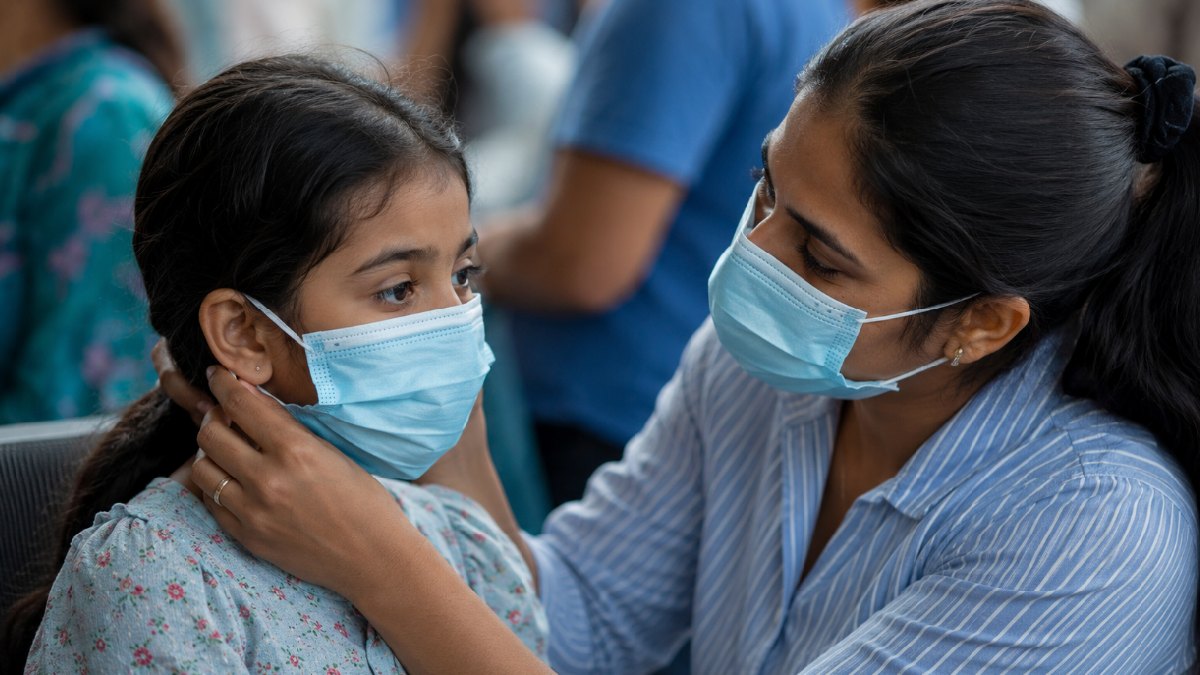
The Delhi health department has recommended several simple measures to reduce the risk of influenza transmission. Residents are told to cover their mouth and nose when coughing or sneezing and wash their hands frequently with soap and water.
In crowded places where respiratory infections are prevalent, a mask is recommended. People should avoid contact with individuals who have respiratory symptoms and it is recommended to avoid touching their eyes, nose and face with unwashed hands.
The advisory also warns people not to spit in public places and to drink enough fluids. Measures like that will minimize the spread of respiratory infections and help people who are already having symptoms to recover.
Delhi hospitals remain under surveillance
The Delhi government has placed 35 hospitals under special surveillance to monitor the seasonal influenza situation. AIIMS and the National Centre for Disease Control (NCDC) have been designated as referral laboratories as authorities continue tracking infections and severe cases.
Hospitals have adequate beds, doctors, medicines and essential medical equipment to manage the seasonal increase in infections, officials said.
Health Minister J P Nadda also reviewed the H1N1 situation and healthcare preparedness on Friday. The review covered hospital beds, critical-care facilities, oxygen-supported beds, ventilators, medicines, diagnostic centres and other essential supplies, he said. Delhi Health Minister Pankaj Kumar Singh also took part in the meeting and officials discussed the patient count and the hospitals' ability to deal with hospital preparedness.
No need for panic, but caution is advised
The rise in H1N1 infections has understandably raised families’ concerns in Delhi, but health authorities and ICMR sources stressed that there was no need for panic. The absence of a new H1N1 strain is a key factor in the current assessment; surveillance is still tracking the spread of influenza.
Families need to take care of symptoms early, keep their respiratory hygiene up and seek medical advice if there is a continuing or severe episode of symptoms. Children, elderly people and individuals with underlying health problems should be taken into account because they are more likely to develop complications.
As Delhi continues to monitor the influenza surge, residents can prevent the spread of transmission by avoiding unnecessary exposure in crowded places when they are unwell, wearing masks in crowded places, maintaining hand hygiene and following medical advice. Continued surveillance by health authorities and responsible precautions by the public will remain important as the capital moves through the current influenza season.