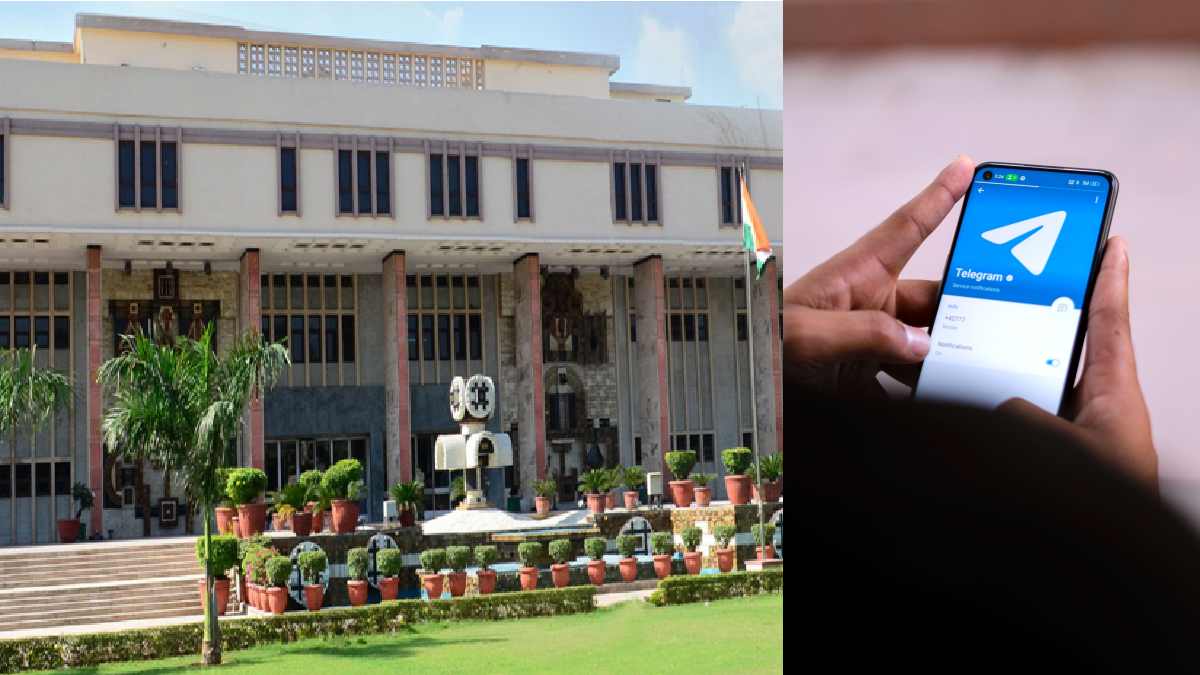
So far, the Delhi High Court has approved the central government’s order that Telegram should be blocked for 8 days until June 22. The decision comes at the beginning of one of the biggest examination controversies in recent years which has affected millions of NEET aspirants across the country.
Last year, India’s biggest medical entrance examination National Eligibility cum Entrance Test (NEET) was rocked by widespread question paper leaks and examination irregularities. There was widespread outrage and students and parents asked the system to be accountable and open. A lot of aspirants said months of preparation seemed to fail, some even attempted suicide.
The government then announced a re-NEET examination in order to guarantee fair treatment for the deserving candidates. But it was concerned about leaks and unauthorised exam-related content on social media and messaging platforms.
Telegram was one such platform under particular scrutiny. Telegram channels and groups had been used by the government and the National Testing Agency (NTA) to spread examination-related material, making it easier for leaked question papers and misinformation to spread among students rapidly.
At NTA's request, the Ministry of Electronics and Information Technology (MeitY) temporarily blocked Telegram until June 22, when the re-examination and related issues are expected to be addressed.
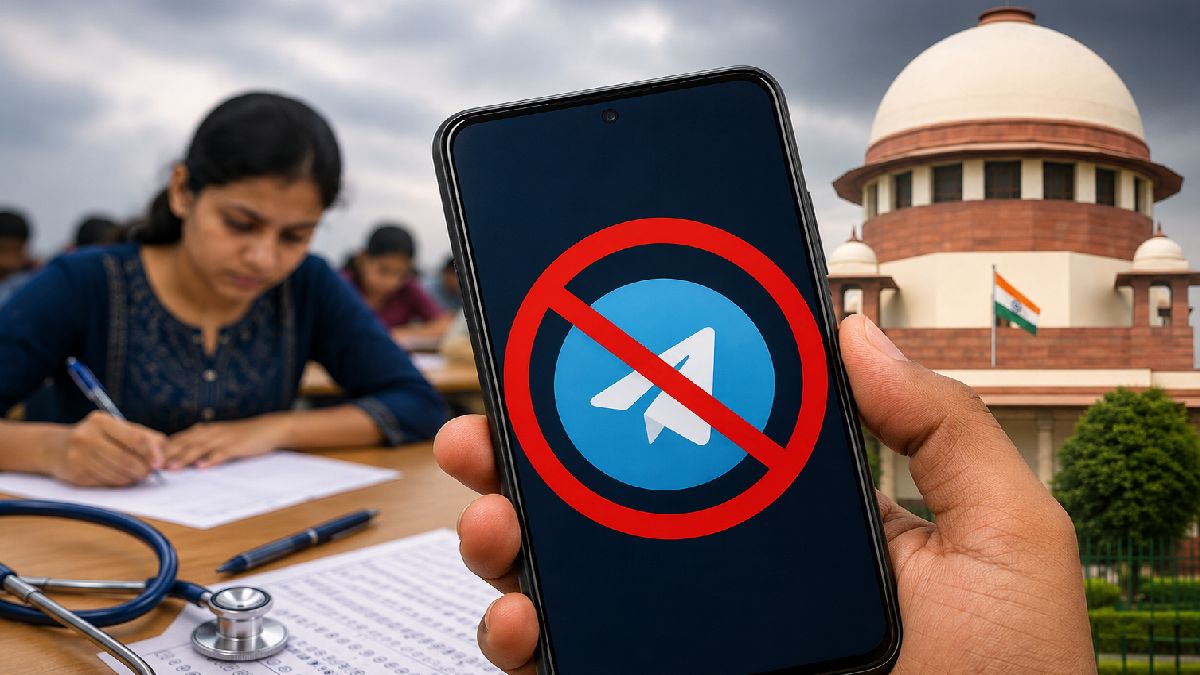
Telegram then went and asked the Delhi High Court to challenge the blocking order. But the court sided with the Centre and dismissed the petition.
The court held in its judgment that the government had followed the rules of procedure outlined in Section 69A of the Information Technology Act. In the emergency situation, the government’s reasons were sufficient to justify the temporary restriction, the court ruled.
A key part of the ruling was the court’s application of the “test of proportionality.” The government found a legitimate objective, established a rational connection between the objective and the blocking measure, demonstrated the necessity of the action and adopted what it believed to be the least restrictive option under the circumstances.
The court ruled that the temporary blocking order was not disproportionate as it was temporary and was only narrowly imposed to protect the integrity of a crucial national examination involving crores of students.
The Centre argued in the hearing that Telegram’s message editing feature could be misused to create false narratives about examination leaks and that it would undermine public confidence in the examination process. The government said the public interest involved millions of students whose future lay in a fair and transparent examination system.
As Telegram’s application has been dismissed, the temporary ban will remain in place until June 22. We think the High Court was right to recognise the extraordinary circumstances surrounding the NEET crisis and that digital communication rights and the need for the safety of national examinations are at play here.
For millions of students in our country who seek a fair opportunity through the re-NEET process, the judgment is just another significant chapter in an ongoing debate that has had an impact on the whole country.