Thousands of devotees converged on the ghats of Varanasi on Thursday morning to dip in the holy river Ganga to pray as part of one of India’s oldest and most venerated practices.
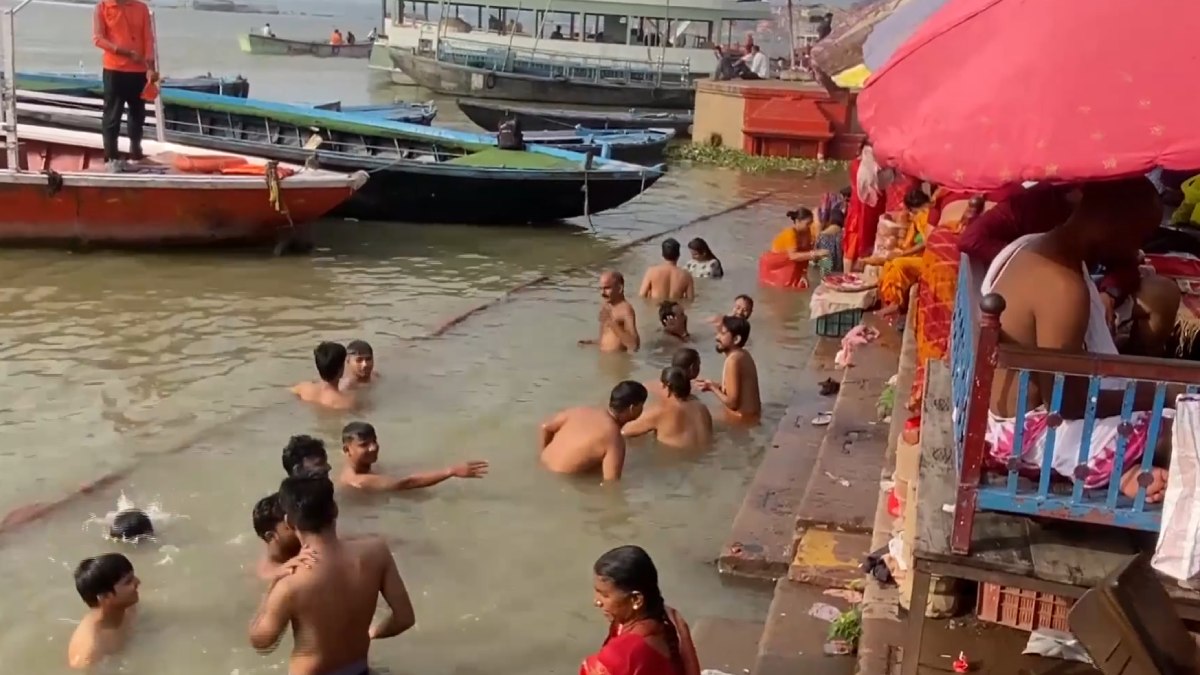
People from around the country gathered on the riverbanks early in the morning and performed rituals that symbolized purification and dedication and the long-standing relationship of faith and culture. At the ghats, the chants were high, the hymns were high, temple bells rang, and the fragrance of incense filled the air, creating a very spiritual place that draws people to Varanasi every time.
Varanasi, also known as Kashi or Banaras, is one of the oldest continuously inhabited cities in India and has great significance in Hinduism. It is believed that Lord Shiva established the city, which is one of India's most important pilgrimage destinations. A dip in the river Ganga in Varanasi is believed to cleanse people of their sins and bring them closer to spiritual liberation (moksha). This kind of pilgrimage still draws millions of people every year, especially on auspicious days and festivals.
The rituals of bathing in the Ganga started before sunrise, with people descending the stone steps of the famous ghats carrying flowers, lamps, fruits, and water vessels. After taking the bath, they prayed to the rising sun, chanted sacred mantras, and performed rituals for their families and ancestors. Priests performed pujas for individuals and groups, and many pilgrims visited the famous Kashi Vishwanath Temple after their river rituals to receive the blessings of Lord Shiva.
The ghats of Varanasi Dashashwamedh Ghat, Assi Ghat, Manikarnika Ghat, Harishchandra Ghat, Panchganga Ghat, and Rajendra Prasad Ghat saw a steady flow of devotees all day. Some came with family members to perform religious ceremonies, while others came in organized groups. Many also took boat rides on the Ganga to enjoy a panoramic view of the historic ghats, temples, and the city’s unique spiritual landscape.

The river Ganga, as religious scholars say, is a sacred river and is also used in many religious rites in India, not only for ritual bathing but also in numerous festivals and life-cycle rituals. Visiting Varanasi is considered a once-in-a-lifetime spiritual experience by many.
Police and other government workers, disaster response team members, health workers, and local government officials were deployed across the ghats to control crowds and assist the pilgrims. Barricades, public announcement systems, first-aid centers, and dedicated help desks were put in place to facilitate the orderly movement of pilgrims and respond to emergencies quickly. In addition, sanitation workers were sent to the ghats to maintain cleanliness along the riverfront.
Environmentally conscious management of religious events in the Ganga has become an important issue. The authorities and volunteers called on devotees to stop throwing plastic waste and non-biodegradable materials into the river. There was evidence of awareness about eco-friendly offerings and responsible disposal of ritual materials in several areas, reflecting ongoing efforts to preserve the ecological health of the sacred river while respecting religious customs.
Varanasi’s spiritual significance is world-famous and draws tourists, scholars, photographers, and spiritual seekers from all over the globe. The city’s centuries-old traditions, ancient temples, narrow lanes, classical music heritage, and evening Ganga Aarti continue to fascinate visitors. The grand evening aarti at Dashashwamedh Ghat, where priests conduct synchronized rituals with large oil lamps and devotional chants, is one of the city’s most iconic events and a powerful expression of India’s living cultural heritage.
#GuruPurnima: Devotees take a holy dip in the Ganga and offer prayers at the ghats of #Varanasi, Uttar Pradesh. pic.twitter.com/QSmj5m6Zzh
— DD News (@DDNewslive) July 29, 2026
For many devotees, traveling to Varanasi is more than a pilgrimage; it is a manifestation of faith, commitment, and inner reflection. Many believe that participating in the sacred rituals on the banks of the Ganga brings them spiritual peace, strengthens their connection with the divine, and renews their sense of purpose.
As thousands continue to gather at the ghats to pray and seek blessings, Varanasi once again demonstrates why it remains one of the most significant spiritual centers in the world. The sight of devotees immersed in prayer along the sacred river reflects the enduring strength of India’s religious traditions and the timeless reverence for the holy Ganga, whose waters continue to inspire faith across generations.