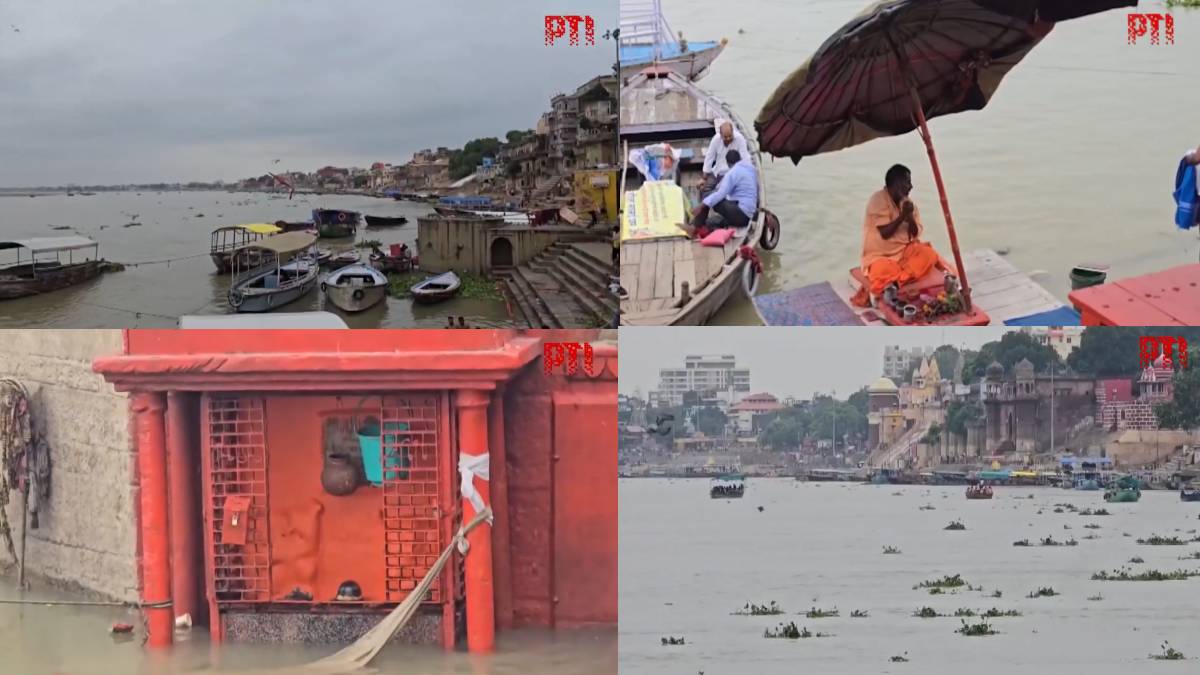
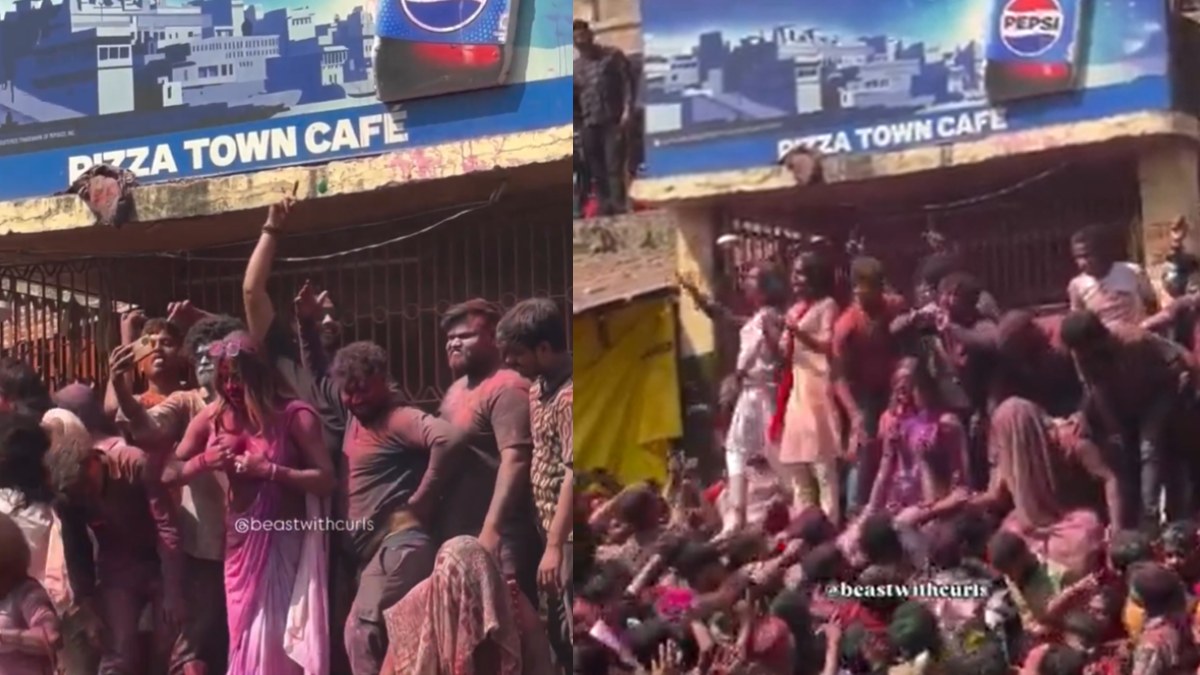
Video footage of Holi celebrations at the iconic Assi Ghat has gone viral, with a 38-second clip, serving as a lightning rod for a growing struggle between Varanasi’s traditional identity and the rapidly modernizing tourist economy. The video, posted on social media by user Ankur Singh, shows a high-octane celebration that some residents say has gone from festive happiness to acts of religious desecration.
The Viral Flashpoint
The clip shows hundreds of revelers clad in vibrant gulal as they dance on rooftops and temple walls overlooking the Ganga. Though the vibe here seems celebratory to the uninitiated, local detractors see certain behaviors such as “mujra-style” dancing and smoking in the sacred precinct as signs that respect for Kashi’s spiritual decorum is waning.
The controversy at Assi Ghat parallels a similar dispute at Manikarnika Ghat, where the "Masane ki Holi" (Holi played with funeral ashes) has come under calls for a ban. Academics from the Kashi Vidvat Parishad and descendants of the Dom Raja have protested the “ruckus” and loud music playing over the cremation grounds publicly, declaring that these “new trends” are not approved by ancient scriptures.
📍Assi Ghat, Varanasi
— Ankur Singh (@AnkurSingh) March 5, 2026
Ashleel Dance and Smoking standing on walls of a Temple
Remember the outrage on Banaras Ghats? So many people cried saying small temples are identity of Banaras.
Now nobody cares what is happening at these temples? pic.twitter.com/MjKM7b3u5x

Displacement and the Erosion of Oversight
Displacement of traditional families who have been the ghats’ custodians for centuries is a central theme of the backlash. Critics claim massive redevelopment projects by the government among them, the Manikarnika Teerth Corridor and the earlier Kashi Vishwanath Corridor have displaced residents and hereditary priests who were once the city’s moral and cultural “gatekeepers.”
“When you turn one area into a tourist corridor, you lose the community that preserves the sanctity of that,” said a local heritage leader. “What we are witnessing here at Assi is turning a pilgrimage site into a commercial stage.”
Hence, during these redevelopment efforts, hundreds of small shrines were razed and traditional custodians forced off their land, according to recent reports. Lacking the local families to keep an eye, many see the ghats as “lawless zones” during festivals.
The Tourism Paradox
But elsewhere they defend a changing vibe at Assi Ghat. And since the infrastructure upgrades, Varanasi has reported a staggering influx of visitors, with domestic tourists skyrocketing by more than 77 percent in early 2025 alone.
- Pro-Tourism View: Supporters have said the energy at Assi Ghat is a sign of a Kashi that is on the up and up and is also reaching a younger, more global audience. Commercial activity, they said, is providing much-needed revenue to the local economy.
- Defense of Infrastructure: The administration cites the need for sanitation, flood control measures and dignified facilities for mourners and pilgrims, in particular in the ₹17.56 crore Manikarnika revamp.
Stricter Guidelines Required
As deaths on nearby highways (such as NH-48) in addition to an upsurge in local public health (such as the outbreak of the “Madras Eye”) draw administrative attention elsewhere, residents are urging the implementation of a dedicated “Ghat Security Force” to enforce a code of conduct.
The basic demand of religious leaders is evident: disentangle the tourist facilities from the spiritual rituals. As Kashi continues to evolve into a worldwide “spiritual sanctuary,” the viral video from Assi Ghat reminds us that “beautification” is hollow if the soul of the ancient city gets compromised in the process.