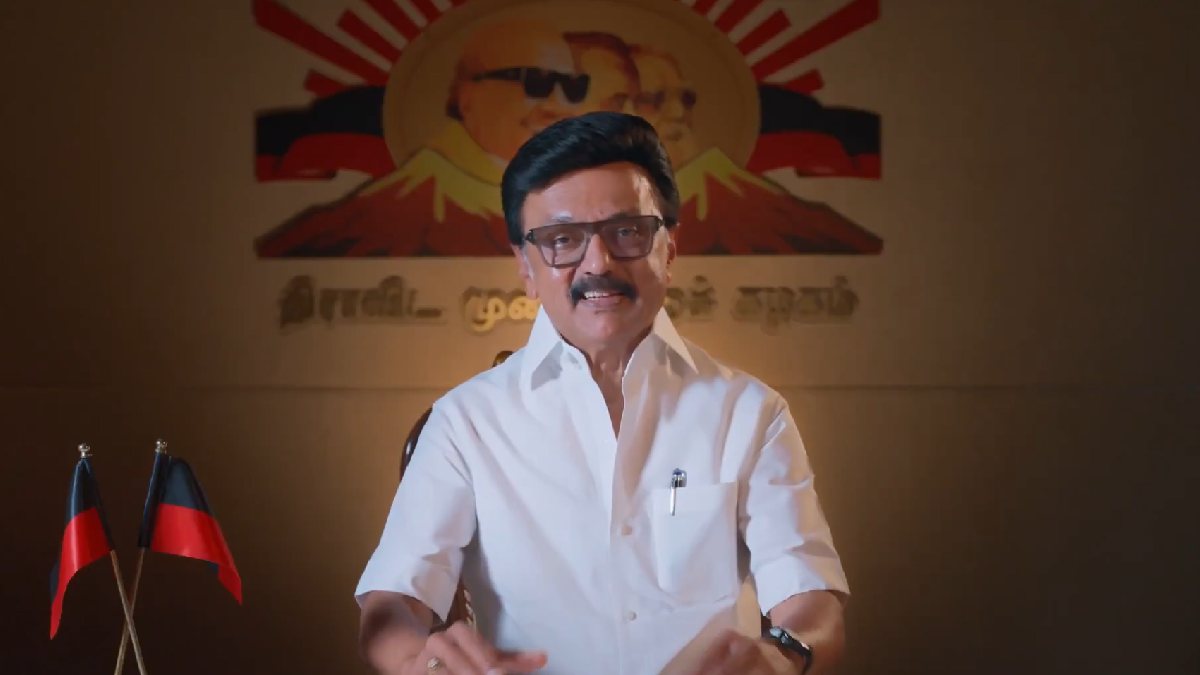
The DMK’s actions here during Monsoon Session of Parliament in this context have shown the growing strategic differences in opposition and how the local party is steering clear of the Congress-led majority of voting on important issues. The most recent example to be seen in the Rajya Sabha is when the DMK refused to stand on the same side when the Congress and other groups of opposition walked out in the voting part of Public Examinations (Prevention of Unfair Means) Amendment Bill. While other opposition parties were protesting the central government’s conduct on competitive examinations and the recent police operation in the vicinity of students, the DMK was in the parliament.
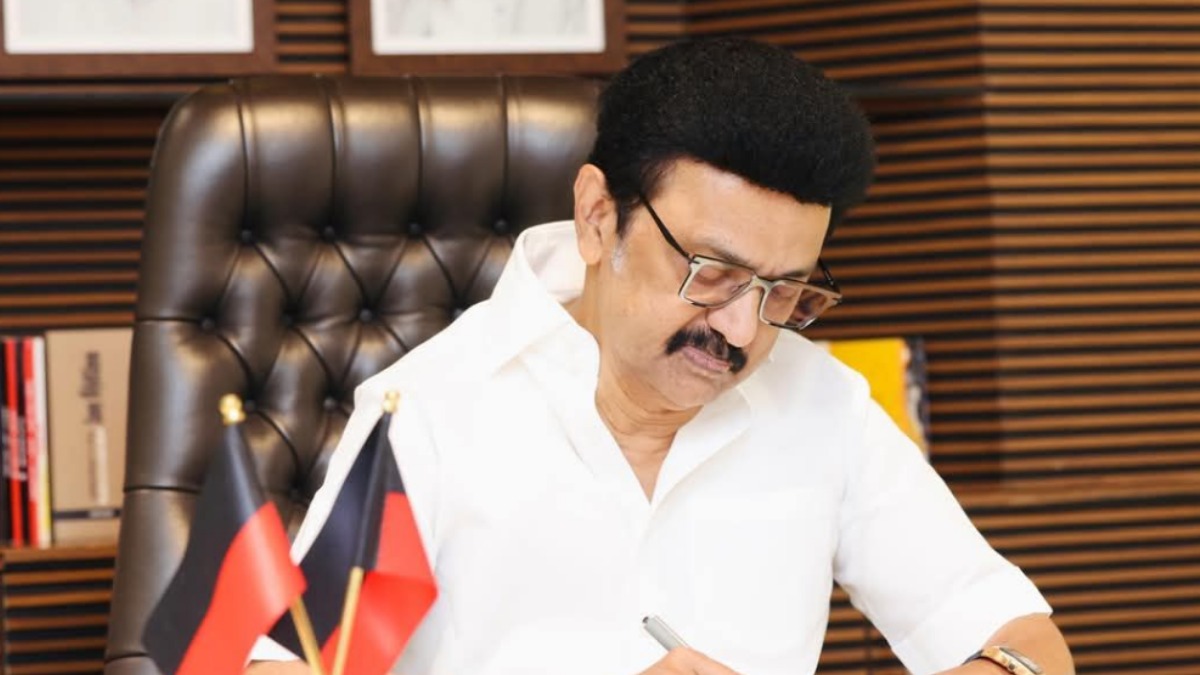
The parliamentary divergence was similar in the Lok Sabha as well, where senior DMK member Dayanidhi Maran focused his debate on systemic reforms rather than directly attacking Union Home Minister Amit Shah over alleged police excesses—a rallying cry for other opposition parties. In addition, the DMK was the only opposition party to take part in the debate on Prevention of Insults to National Honour (Amendment) Bill in the Lower House. DMK members A Raja and Kanimozhi were on the side of the legislation in the debate and attacked it for violating secular principles and having ideological motivation—but the majority of the DMK's members also did not boycott it as they were doing in their own favour.
These tactical shifts come at a time of political radicalisation of the party after the DMK's formal exit from the INDIA bloc due to regional electoral changes and the formation of a new government in Tamil Nadu. Ahead of the monsoon sittings, the M.K. Stalin-led party formally asked for and secured different seats in the two Houses of Parliament and it is physically and organizationally not part of the Congress-led opposition coalition. When asked by the media about the Rajya Sabha walkout and how the party will do that, senior DMK MP Tiruchi Siva said the party's aim was to force the government to answer the issues on record rather than to leave the floor. A key point of the party's agenda is that the party will never abolish NEET (National Eligibility cum Entrance Test).
So the DMK's political position in the time frame of independence is meaningful since it is the largest party in Parliament. Due to recent changes in the parliamentary balance (such as the breakup of Trinamool Congress parliamentary group), the DMK has 22 Lok Sabha members and 8 in Rajya Sabha, so it is the third-largest party in the Lower House. These numbers might be decisive when the ruling National Democratic Alliance (NDA) is able to push through the much-needed constitutional amendments, such as the women’s reservation bill and the delimitation bills. With parliamentary arithmetic changing, the DMK’s independent position in the political arena comes to the top of national parliamentary calculations.