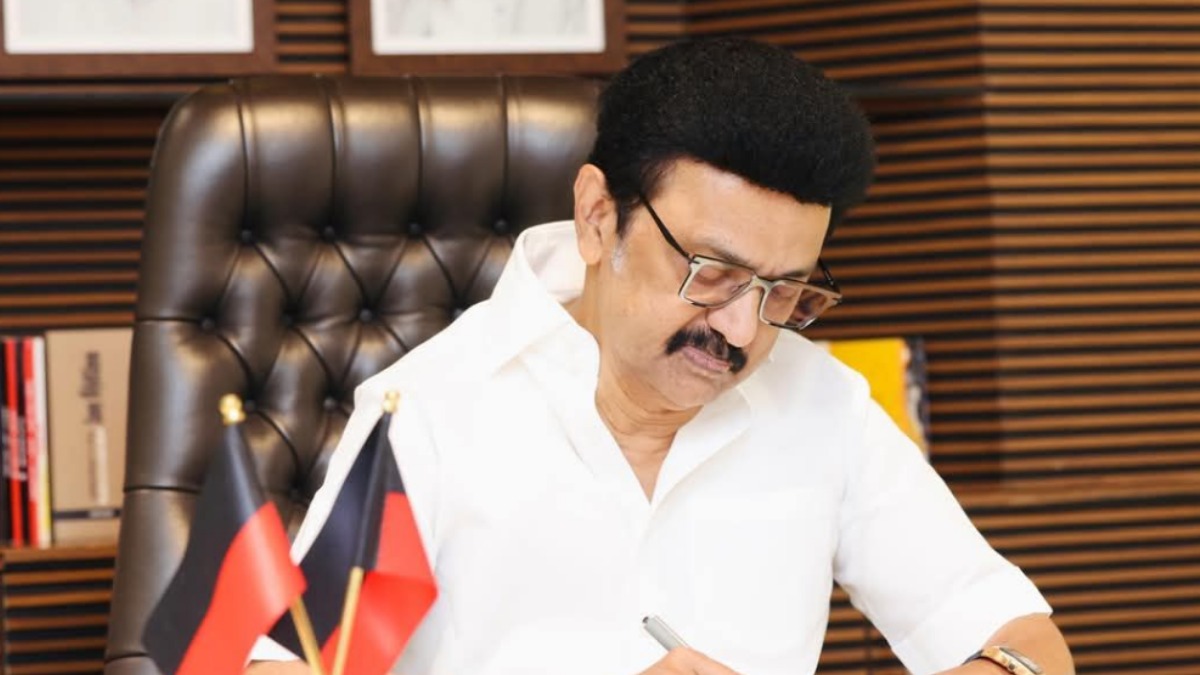
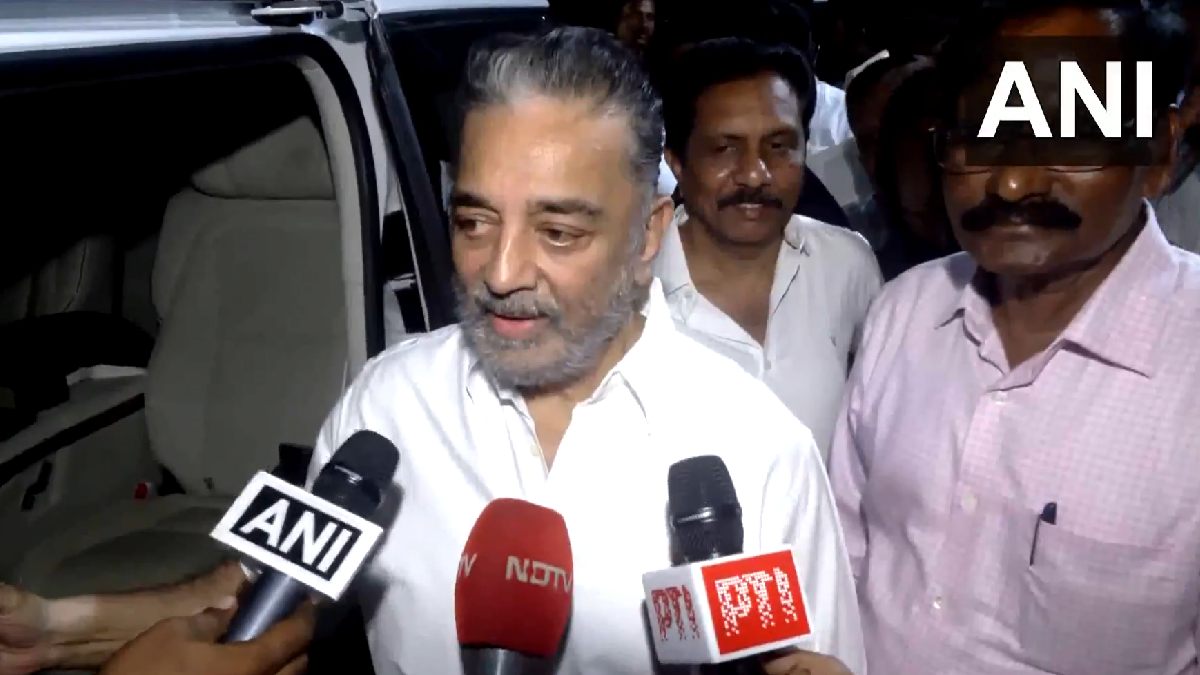
Polls in Tamil Nadu, one of the most closely observed among the five-state elections, are drawing much attention across the country as the poll concluded. After the polls of the election began appearing, there was a clear picture: Dravida Munnetra Kazhagam under Chief Minister M. K. Stalin will continue to rule with a sizable majority.
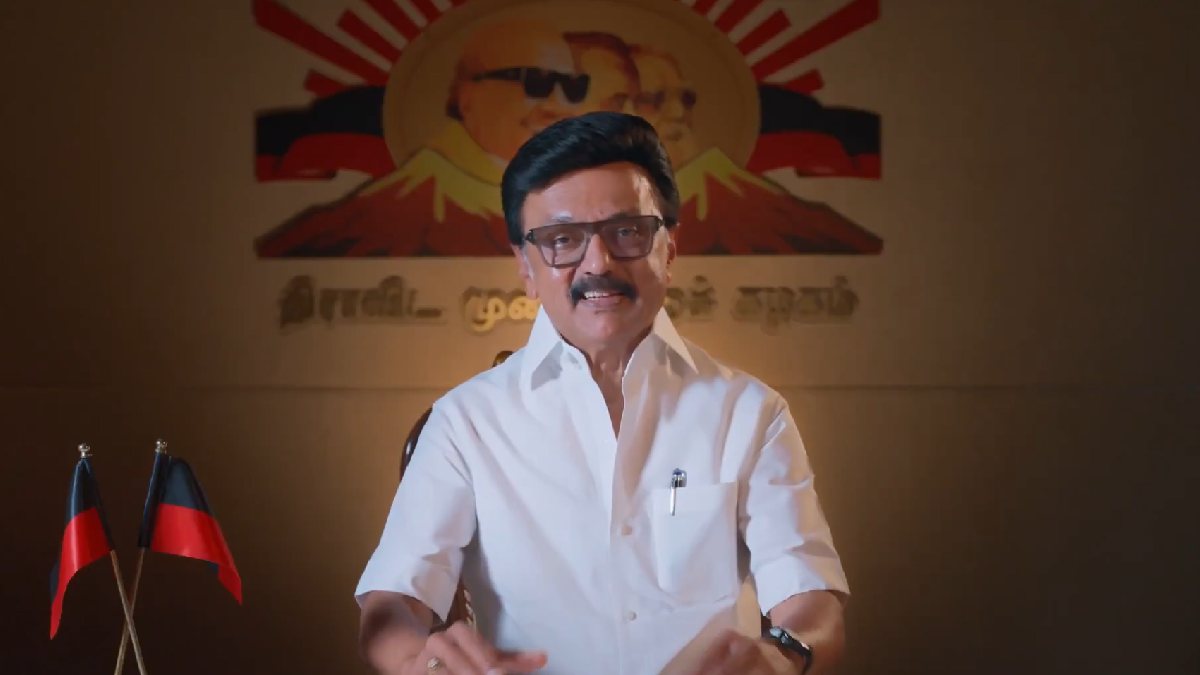
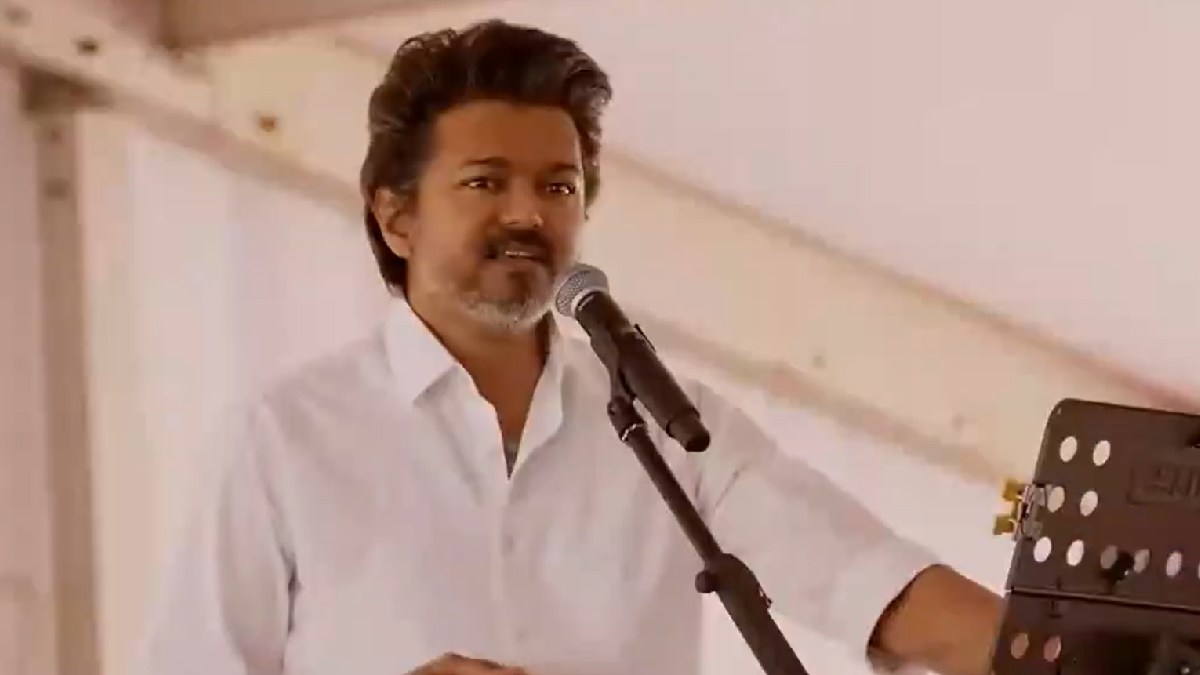
Traditional DMK-All India Anna Dravida Munnetra Kazhagam rivalry is here to stay, and the election has also seen a new force emerge. Actor-turned-politician Vijay Joseph, who is backed by his Tamilaga Vettri Kazhagam, has generated a great deal of buzz and should get a big electoral debut in the next elections.
With the DMK and its alliance expected to win 122 to 132 seats in the Matric, this would present a clear route to establishing the government. The AIADMK consortium, on the other hand, will gain an estimated 87–100 seats in the vote as the AIADMK alliance trails, with the TVK potentially taking about 10–12 seats.
Meanwhile, the People Pulse survey shows even stronger performance for DMK, predicting 125 to 145 seats for the ruling party. In this projection, AIADMK will receive between 65 and 80 seats, with TVK projected to gain 18 to 24 seats, making it a key player. The other parties are projected to win between 2 and 6 seats.
The P-Mark survey mirrors trends, predicting a median DMK of 125-145 seats with 65-85 slots being offered for the AIADMK alliance. TVK is expected to collect somewhere between 16 and 26 seats, strengthening its claim as a progressive political establishment domestically. Perhaps the most striking thing about these surveys is the performance of TVK.
Most forecasts predict the party could score 16 to 20 seats, a remarkable feat for an outfit that began only a year ago. If their predictions hold, Vijay Joseph’s entry into politics could signal the onset of a new political generation in Tamil Nadu. The Bharatiya Janata Party, on the other hand, seems to have little visibility in such projections, and polls suggest it does not even come close to making headway in the state’s Dravidian-dominated electoral arena.
The post-poll surveys have thus indicated at one level political continuity under the DMK regime (now ahead of the official results) and at another register a change in electoral sentiments, with new forms of political competition emerging. Everybody now waits for the result of these predictions to be fulfilled and to influence Tamil Nadu’s future.