Doctors at Medicover Hospitals have managed to save a three-year-old child’s life from a rare medical disorder called Pica by executing a complex laparoscopic surgery to eliminate a giant hairball and other foreign objects from the child’s stomach.
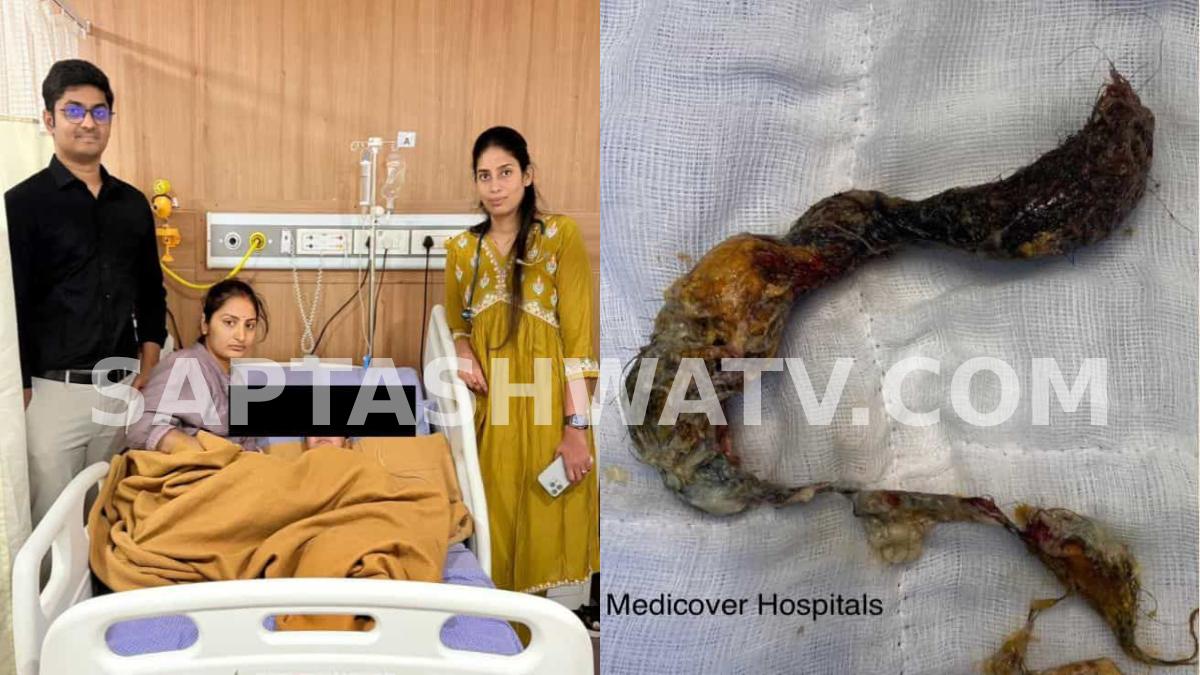
The case has made headlines and has received praise for the medical team after doctors scooped a 25-centimetre-long hair mass weighing nearly 480 grams and rubber bands, along with other non-food materials, out of the child’s digestive system.
The child had grown up eating hair, rubber bands, pieces of balloons, and other non-food items as a child, doctors said. This condition, called Pica by physicians medically, is a psychological and behavioural disorder in which people compulsively chew and consume substances that they don’t consider food.
Over time, the ingested hair took over the kid's stomach and became a big hairball that the doctor medically identified as a trichobezoar. This mass allegedly travelled from the stomach to the small intestine, forming a severe and potentially lethal blockage.
Doctors said the child was brought to the hospital after developing severe abdominal pain, repeated vomiting and a sudden loss of appetite in the last few days. Parents quickly contacted the doctor as the symptoms became worse. Following thorough medical examinations and imaging, doctors found a sizable hoard of foreign material hidden within the stomach and intestine.

Scans that were given showed the hairball had grown greatly, where surgical intervention was urgently needed. Next, a team of physicians at Medicover Hospitals carried out a minimally invasive laparoscopic surgery to extract the giant hair mass and other items without causing injury.
The surgery, doctors said, was extremely difficult because the hairball had gone far into the digestive tract. There were no major complications to the removal of the 25 cm-long mass; the child is now said to have recovered successfully under observation. Doctors noted that Pica is most often seen in children and could sometimes have links with nutritional deficiencies, developmental disorders, emotional stress, or behavioural problems.
If not caught early, the bad habit can cause major digestive complications, blockage of the gastrointestinal tract, infections and potentially life-threatening conditions. Doctors have cautioned against children’s unusual eating habits and recommended parents seek professional medical attention if they observe repeated consumption of non-food items like hair, chalk, mud, paper, plastic or rubber.
The surgery was widely acclaimed, with the public and other healthcare providers praising the timely diagnosis and efforts by doctors who contributed to saving the child's life. Health professionals also emphasised the need for psychological counselling and behaviour therapy in the long term after surgical intervention to ensure that the condition doesn’t recur.