After decades of setbacks, missed deadlines and questions about India’s indigenous cruise missile programme, the Defence Research and Development Organisation (DRDO) finally has a reason to celebrate.
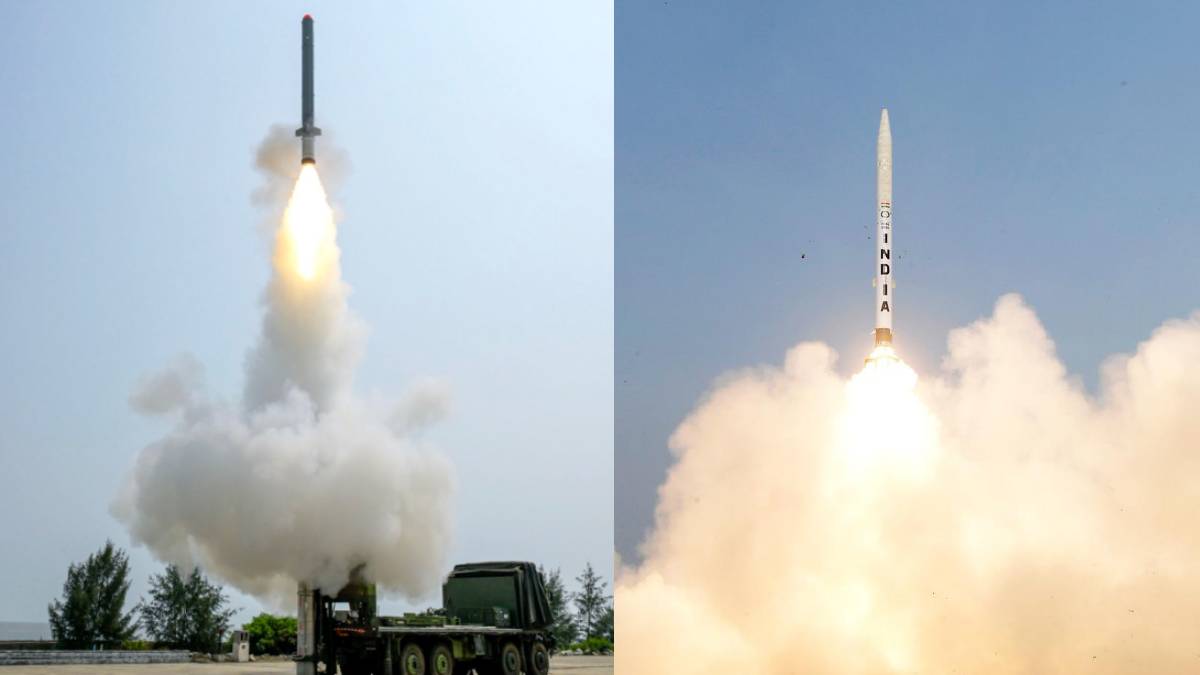
On June 15, DRDO successfully tested its Long Range Land Attack Cruise Missile (LRLACM) from Dr APJ Abdul Kalam Island off the Odisha coast in a major step toward defense doctrine for India’s long-range capabilities. The successful test will not only have a great impact on the missile programme but also on India’s own ability to become self-reliant in advanced defence technology.
In terms of those who have had close access to the Nirbhay cruise missile program, the new victory is particularly significant. Nirbhay meant to be India's answer to long-range cruise missile systems, but failed to overcome many technical hurdles over the years. Many tests failed and we do not know if India has the capability of developing a reliable indigenous system that can compete with world standards. The newly tested LRLACM appears to be the answer to those concerns.
According to high-ranking officials, “The cruise missile, which can be launched from multiple platforms, is a successor to the failed Nirbhay but with more range and other guidance improvements. It is understood that the missile will undergo two more developmental trials, then two more user trials in the next two years before induction into Indian armed forces.”
That is the progress of the technology and the road ahead. The missile has passed its testing stage but more testing is necessary before it enters military service, the Missile Development Center says.
The LRLACM is so important in its ability to strike more than 1,000 kilometres away from its target from a low angle (it is a low-altitude missile) that it can avoid enemy radar and reach its target more accurately. In modern warfare, such stand-off weapons are of increasing importance since they can hit key targets without putting soldiers or aircraft in harm’s way.
The successful test also comes at a time when regional security dynamics are rapidly changing. China already has a multitude of advanced cruise missile systems and Pakistan has been developing its Babur cruise missile programme for years. Defence analysts believe India needs similar capabilities to maintain a credible conventional deterrence posture in the region.
But the test is also one of perseverance outside of the strategic calculation. And when successful, all that hard work must take the form of a long period of research and failure and redesigns and never quitting; scientists and engineers who never gave up, despite the challenges.
It was more than just another missile test for DRDO. It was proof that lessons learned from past failures can eventually lead to success. If further developmental and user trials go well, the LRLACM could soon become one of the most important additions to India’s growing arsenal of indigenous weapons.
For now, June 15 will be remembered as the day India's long-range cruise missile dream finally took a major step toward reality.