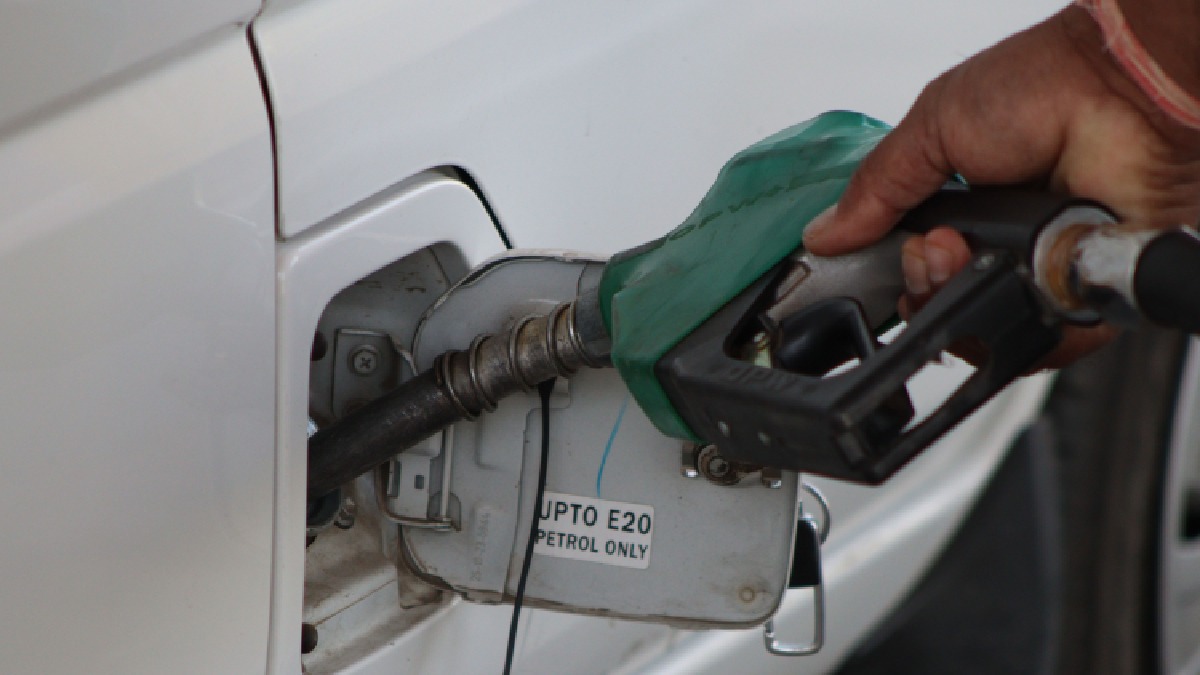
The Government of India has said E20 petrol, a fuel blend with 20% ethanol and 80% petrol, may reduce the mileage of vehicles by up to 5 percent over conventional petrol.
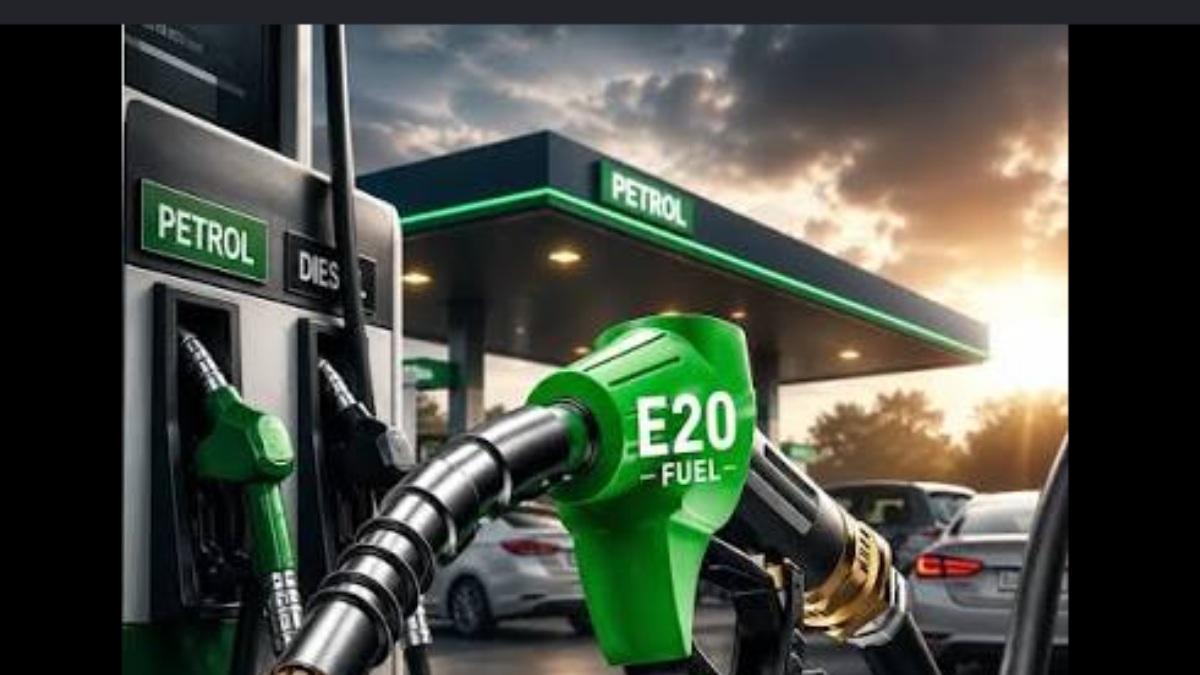
The government is quick to stress the downside for long term with the benefit of cleaner combustion, lower carbon emissions, less reliance on imported crude oil, and greater national security.
The clarification comes as India is expanding its ethanol blending program under the thrust of its overall vision to make cleaner fuels more prevalent and reduce the country’s dependency on fossil fuel imports.
Ethanol-blended fuels can contribute to a more complete combustion of internal combustion engines, and reduce carbon emissions, the Ministry says. While there might be a slight degradation in fuel efficiency for motorists due to ethanol being less energy-rich compared to petrol, the environmental and economic benefits will be much more than what we lose.
Why Mileage May Be Lower
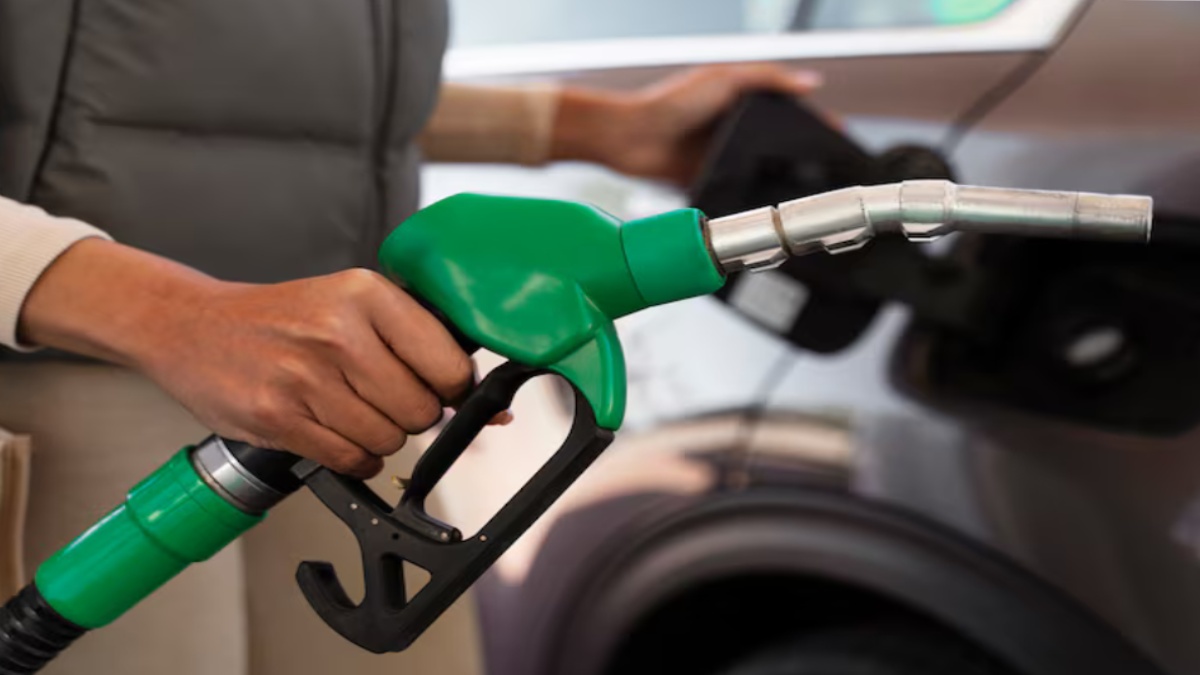
Ethanol is less energy per litre than petrol. As a result, vehicles running on E20 fuel may consume slightly more fuel to travel the same distance, leading to a mileage reduction of up to 5% in some cases.
And yet, the actual impact will depend on vehicle design, engine technology, driving habits, road conditions, traffic congestion and maintenance. Modern engines designed or calibrated for higher ethanol blends are generally better suited to optimize performance with E20 fuel.
Cleaner Combustion and Lower Emissions
One of the major advantages of E20 petrol is cleaner combustion. Ethanol is oxygen-rich and more oxygen can be used to produce fuel to burn more fully inside the engine; that is to say, more oxygen in ethanol allows for a deeper combustion of fuel in the engine.
Carbon monoxide, unburnt hydrocarbons and some particles that make up the air pollution, as well as other particulate pollutants, may also be lessened.
Although E20 is not a zero-emission fuel, it is a significant part of India’s overall transition towards cleaner transportation because it reduces the carbon intensity of conventional petrol-powered vehicles.
The government believes ethanol blending can complement other clean mobility initiatives like electric vehicles, compressed biogas, green hydrogen, and sustainable biofuels.
Reducing Dependence on Crude Oil Imports
India imports a large share of its crude oil requirement, and is therefore subject to fluctuations in international oil prices and geopolitical developments.
By substituting some of petrol for domestic ethanol, the government hopes to lower crude oil imports, boost foreign exchange savings and build energy security. Strictly reducing reliance on imported fossil fuels also helps in the protection of the economy from volatility in world energy markets.
Benefits for Farmers and Rural Economy
The ethanol blending programme also supports India's agricultural sector. Ethanol is produced primarily from sugarcane, maize, damaged food grains and other approved agricultural feedstocks.
Higher ethanol production drives additional demand for agricultural produce and farmers will have more opportunities in new markets and more income for agriculture because of increased production of ethanol leads to more demand for farmers and new market opportunities.
The programme also helps rural industries by stimulating investment in ethanol distilleries and other bio-driven industries by investing in ethanol distilleries and related infrastructure.
As government officials have said, expanding the biofuel ecosystem can create employment in agriculture, manufacturing, logistics and energy fields to help in rural economic development.
Vehicle Compatibility
Vehicle manufacturers have gradually introduced vehicles that are compatible with E20 fuel. Newer models are being developed and tested to ensure safety and efficient operation with higher ethanol blends.
Owners of older cars should consult manufacturer recommendations about E20 compatibility with their vehicles. For many modern petrol engines, E20 can be safely used, but older petrol engines may need specific advice depending on their fuel system components.
India's Ethanol Blending Mission
India has been accelerating its ethanol blending program in recent years as part of its clean energy strategy. It contributes to the national goals of lower greenhouse gas emissions, energy independence, farmer incomes and sustainable fuel alternatives.
The government has been increasing ethanol production for years, promoting private sector participation, and investing in capacity to meet growing demand.
Balancing Efficiency and Sustainability
Even if consumers may see a little drop in mileage, the environmental and economic benefits of E20 translate into a transitional fuel, energy experts say.
Improved air quality, less reliance on fossil fuels, less carbon emissions and stronger energy resilience are all seen not just as short term benefits but long-term benefits that go beyond individual fuel efficiency.
As India diversifies its energy mix via ethanol, electric mobility, compressed biogas and green hydrogen, E20 petrol is one of the components of a multi-pronged approach to make a cleaner, more sustainable transport sector.
The message is clear from the government’s perspective: E20 may reduce mileage by a small margin but its contribution to cleaner combustion, environmental protection, agricultural growth and national energy security stands out as an important step in India’s evolving clean fuel journey.