And anxiety is no longer just a mental health issue among young Indians it is a growing issue for students, workers, entrepreneurs, and even teenagers.
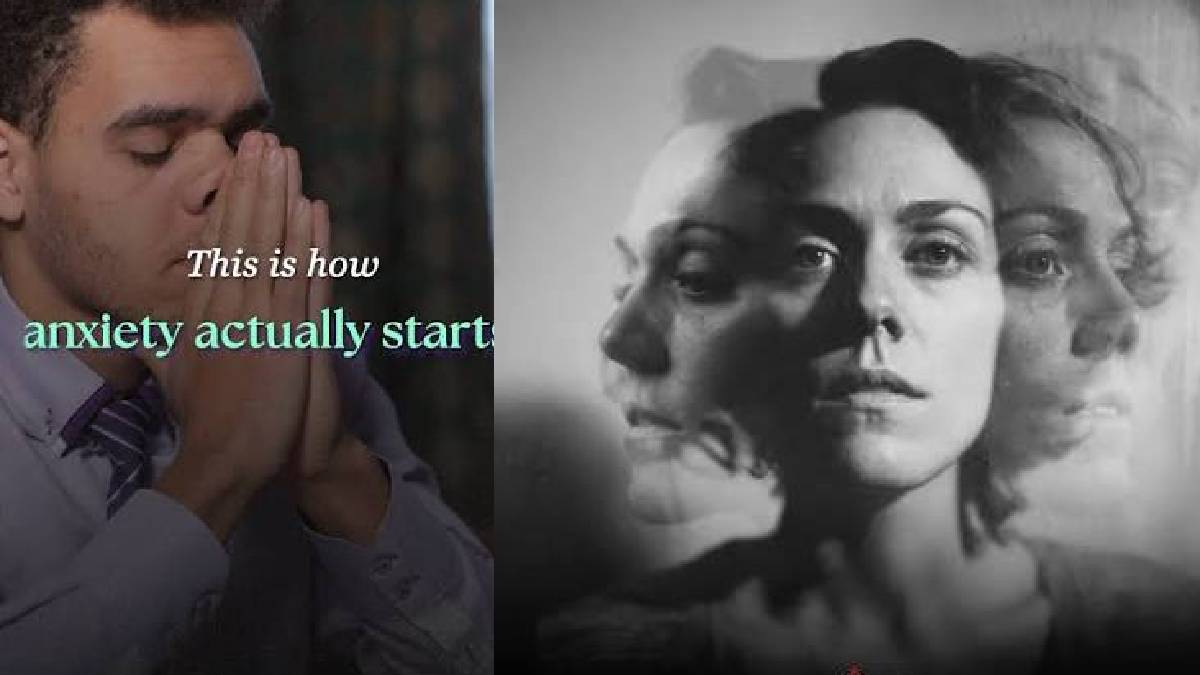
If you have ever thought to yourself “Why am I always anxious” you’re not alone.
Anxiety levels are higher than in previous years because of academic pressure, job uncertainty, social media comparison and stress in general, mental health professionals say.
Psychotherapists say anxiety is the body’s natural response to stress.
But when anxiety, fear, or restlessness persist and become reality in everyday life, that may be an anxiety disorder or chronic stress that needs to be listened to.

The number one factor is the pressure to succeed
Young Indians today are in very competitive education, job markets and personal situations.
And so there is pressure to get better, and so many students think they’re going to not catch up. And in many cases, this pressure, for a lot of them, gets their heads in a loop and they start to question themselves.
Social media is also a big trigger
The product of carefully curated lives can make people feel that they can only compare themselves to other people, and feel like they are not enough and are always feeling small.
It’s that friends who accomplish career accomplishments, travel a lot and are in seemingly perfect relationships can make you feel like something you are missing in life and anxiety.
Career uncertainty is a serious factor in the future
Rapid technological advancements have been driven by the rapid change in technology, layoffs in different industries, workforce churning out young professionals, and the rising cost of living has made these young professionals anxious about their future.
The students also have a lot of pressure at the entrance exams, higher education, getting to university level and getting good jobs.
Psychotherapists say lifestyles also need to change
Lack of sleep, excessive screen time, unhealthy eating and lack of physical activity can be harmful to mental health.
Constant exposure to the digital world makes no time for rest and the brain is more prone to stress and emotional drift.
Family expectations only compound this emotional stress. Young adults in many Indian households are expected to be academically accomplished and have high paying jobs and achieve social milestones such as marriage within certain timetables. Striking that balance between those expectations and personal goals is emotionally taxing.
Anxiety is not a matter of “overthinking,” the experts say. Symptoms could be racing thoughts, rapid heartbeat, irritability, fatigue, difficulty concentrating, muscle tension and sleep disturbances.
Early identification of such symptoms can help in finding timely assistance.
Managing anxiety generally starts with small and constant changes in our lives
You can get away with it by getting yourself to sleep, eat healthy stuff, stop using social media even when you are there for leisure, meditating and talking to friends and family members.
If anxiety is too much then professional counselling would be helpful
Mental health professionals say asking for help is a sign of strength, not weakness.
Increasing awareness of mental health in India is a sign of mental health in India and more and more young people are learning anxiety is a serious problem that can be treated, and not a personal failure, if it is not the result of personal failure.
If persistent anxiety is affecting your studies, work, or relationships, a mental health professional can be a very helpful first step in recovering. And if you can get that support and have healthy habits back to life, you will be able to be good at it.