Student protests are spreading across Europe as more people take to the streets in protest over education funding, rising costs, overcrowded classrooms, staff shortages and access to affordable education.
Although not to be lumped into one national movement in Europe, there are a lot of other similar protests in several European countries that are coming from a wider standpoint of concern about the cost of studying and the quality of public education.
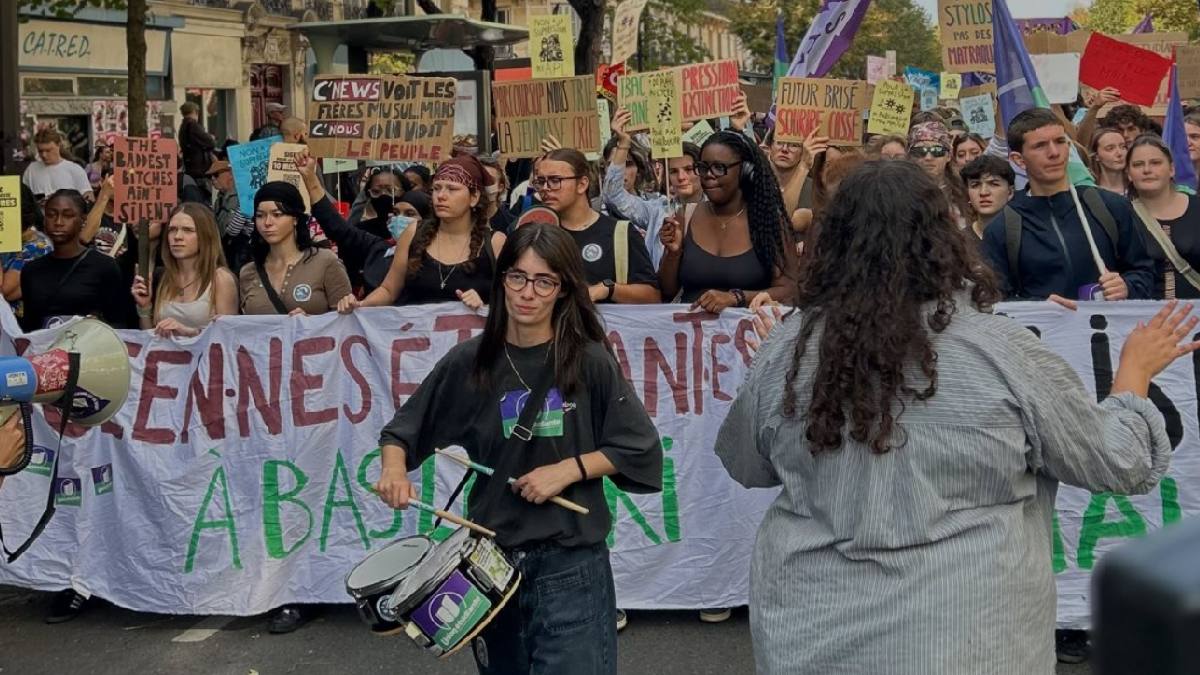
France is at the heart of the latest wave of student unrest. Protests by high school students in the Paris region in September have mushroomed into a national movement that involves students, teachers, parents and unions. Protests have targeted insufficient teaching staff, crowded classrooms, decrepit school buildings and poor resources.
The size of the French protests has grown drastically. More than 266,000 people in the country rallied for more money in education on October 6, the Associated Press reported. Blockades of schools and class boycotts have taken place, and some protests have been met by police and arrests.
For many of the students, the problems go beyond the classroom. Rising living costs are putting pressure on young people who already are under pressure to pay for transport, food, accommodation and higher education. Access to education is at the forefront of debates on economic security and social inequalities in a world of limited public resources and rising household costs.
Belgium Students Join The Protests
The unrest has also spread to neighbouring Belgium. Hundreds of students protested in Liège, under the influence of the demonstrations in France. Many of those students have been protesting about the rising costs of education, overcrowded classrooms and lack of study materials there.
The Belgian protests follow earlier demonstrations in Brussels over proposed education reforms. In Belgium's French-speaking community, tuition fees for many students were set to rise from €835 to €1,194, adding to concerns about affordability. The protests show just how the way education funding is changed impacts students already struggling to pay for higher living costs.
Some of the demonstrations in Liège have turned violent, resulting in arrests and disruption. Police have urged protesters to remain peaceful, and students have continued to demand accessible education and greater investment in the education system.
Ireland Students Raise Cost Of College Concerns
Ireland has also witnessed large student demonstrations over the financial pressures of higher education. More than 1,500 students marched through Dublin earlier this month, and organisers said around 3,000 students participated through marches and planned walkouts.
Students discussed college and accommodation shortages and the wider cost-of-living crisis. Student representatives have called for lower fees, increased investment from the government and better student accommodation.
The Irish protests illustrate that the European education debate is not limited to school funding. For university students, the cost of accommodation and basic living expenses can be just as important as tuition or student contribution charges.
Protests Reflect Wider European Concerns
Student activism has been building across Europe throughout 2026. Between March and May, the European Students’ Union recorded 54 student protest actions across 22 countries, from university funding and access to education to living conditions and student rights.
Another monitoring period earlier in the year found 31 student protests across 13 countries, indicating that the latest demonstrations are part of a wider pattern of student mobilisation rather than an isolated development.
Recent protests have also been reported or planned in Italy, Greece, Germany and Austria. In these countries, students and education groups have expressed concerns about underfunding, deteriorating infrastructure, teacher shortages, university budgets and the affordability of education.
Funding Pressure Just Adds To The Challenge
Unhappy European governments are in difficult situations with their public spending as they deal with budget deficits, higher borrowing costs and broader economic pressures. Thus, education systems are under attack in the context of how governments should allocate limited resources.
Education for students, however, is intimately connected to future work and economic independence. For students, issues of underfunded schools, lack of university resources and growing education costs can become concerns for their long-term prospects.
But the protests also point to a generational dimension to Europe’s economic problems. Young people are increasingly questioning if traditional routes through school, university and the job market will provide the same opportunities that previous generations did.
What Happens Next?
More and more European governments are under pressure to address student concerns while maintaining public finances. In France, the government has said that measures are being taken to address some of the education grievances in its schools, and Belgium and other countries are under pressure on funding and fee changes.
When the current wave of protests might grow into an entire European youth movement is not clear. The demonstrations are different for each country, and their demands are shaped by the educational system and economic status.
However, what connects many of them is a common concern over affordability, access and the quality of education. European governments will be under increasing pressure to show why education systems should remain open and adequately funded while household costs are rising.
As students become ever more demanding of education, governments across Europe will need to demonstrate how education systems can and should not be made more expensive.
The demonstrations have therefore become more than disputes over individual fees or classroom conditions. They are increasingly part of a wider European conversation about public services, economic security and the future opportunities available to younger generations.