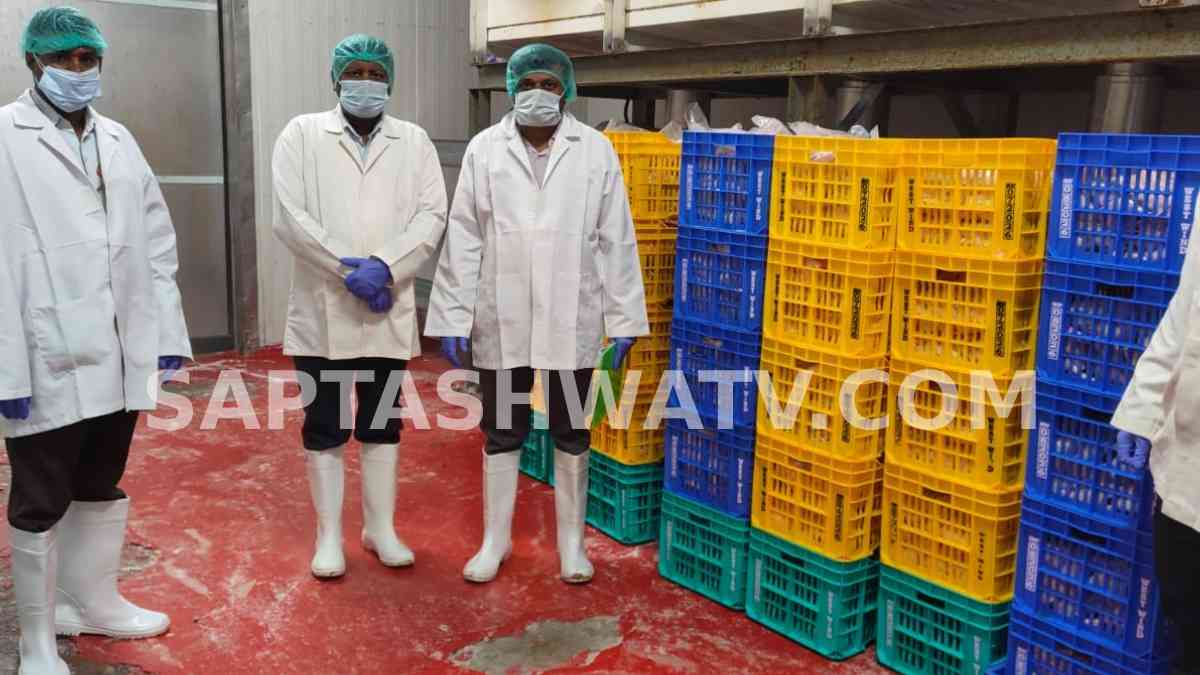
The alleged use of expired food items to feed children in government schools has raised serious concerns over food safety, accountability and the quality of meals provided to students. Food that is already past expiry dates could reach school kitchens and in turn kids who depend on government-supported meal programmes.
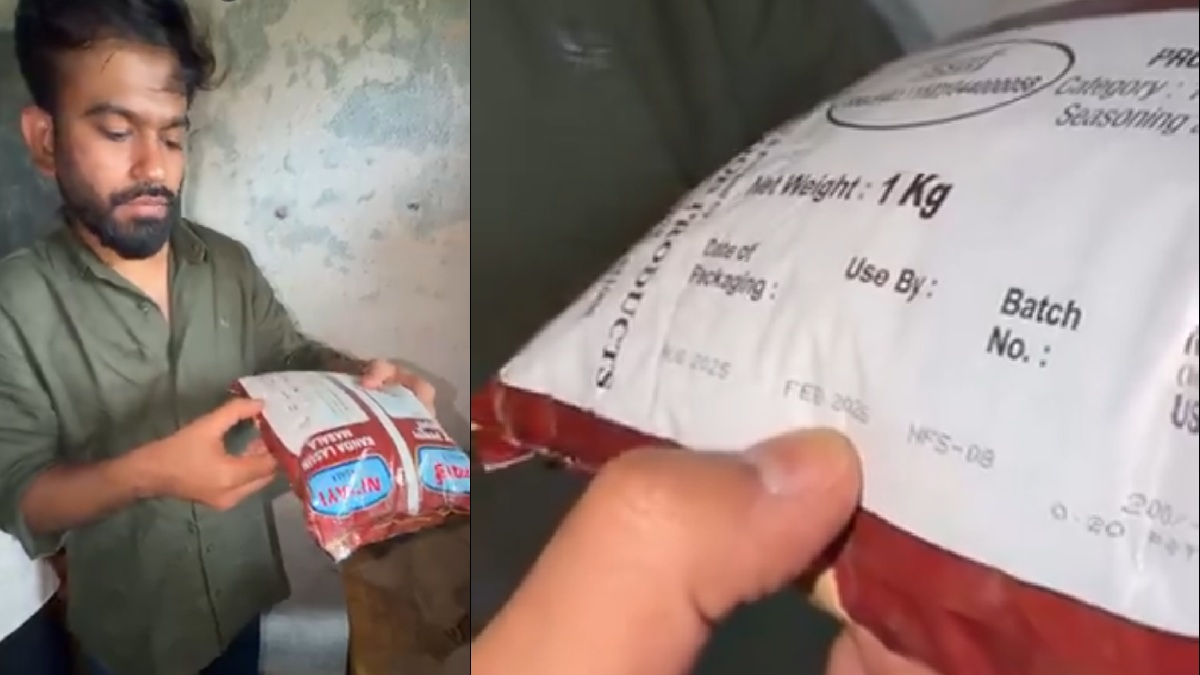
The issue has also ignited a heated political and public debate around accountability. Those who approve, supply or monitor school meals would ask whether the same food is not safe for their own children. And this is the question that resonates with people increasingly concerned that children from economically vulnerable families need not be subjected to lower standards of food safety merely because they are in government schools.
Government school meal programmes are designed not only for nutrition but also to ensure children are educated and on site. For many school meals provide a crucial component of students’ daily nutritional diet. That makes food quality and freshness very important and it should be very safe to eat. Any allegation of expired food therefore will be immediately investigated by the authorities involved.
The problem has become more pressing with the report that people who wish to express themselves might be arrested by police. In a strong statement on the issue, people who report the alleged practice have said they will continue to report it because they are speaking the truth. What we will do to protect people who are raising questions about public health and child safety is the concern they have, they say.
At the heart of the dispute is a basic question of responsibility. Government departments, contractors, suppliers, school administrators and local authorities all have to ensure that food supplied to children meets prescribed safety and nutritional standards. If expired items were actually being served or distributed, we would need to know how the products made it to the end of the supply chain and who was responsible for inspecting them and whether they were properly checked.
Food safety issues in schools can not only impact one meal. Food spoiled or expired could lead to foodborne illness, particularly if the food is stored in unsuitable conditions. Contaminated food is especially dangerous for children. Proper procurement, storage, inspection and preparation of meals is crucial in any school meal system.
The allegations also raise questions about monitoring mechanisms. Just having rules on paper isn’t enough if inspections are irregular or ineffective. There needs to be systems that can identify expired stock before it reaches students. Records related to procurement, delivery dates, batch numbers, expiry dates and stock movement can be key in establishing accountability when complaints arise.
If the allegations are valid, action would need to extend beyond the removal of expired products. In a transparent investigation, responsibility must be determined to consider whether the incident was because of gross negligence, inadequate supervision, poor storage or the distribution of unsuitable food. If there is evidence of responsibility, then corrective steps should be taken to prevent future events.
At the same time, allegations should be investigated objectively rather than being treated as just facts before verification. The truth is established by inspecting the reported food items, checking expiry dates and procurement records, interviewing school officials and suppliers and performing appropriate food safety tests, authorities say. The investigation would help us differentiate between an isolated lapse and a systemic problem.
Expired food items are being used to feed children in Govt Schools. Would those sitting in power feed the same food to their own children?
— Abhijeet Dipke (@abhijeet_dipke) August 29, 2026
And if exposing this means FIRs against us, then please do. We won’t stop exposing the truth.#SchoolThikKaro pic.twitter.com/EvxIDEH4DT
The issue is much larger than politics in terms of safety and dignity of school children. Parents who send their children to government schools have a reasonable expectation that the food provided through public programmes will be safe and fit for consumption. At the same time, the government has a duty to ensure the welfare schemes it funds are transparent and under proper oversight.
The demand for accountability will therefore remain the focal point of the debate. If expired food was served to children, it should be stated what happened and how we would respond so that it would not happen to children in the future. If the allegations are untrue authorities should then publicly state the facts and present evidence to address any concerns.
But the question that is being asked is simple but significant: would those responsible for such decisions be OK with the food they’re serving their own children? And to provide safe and healthy meals to government-school students should not depend on political affiliation, social status or public pressure. Food safety is fundamental to every child and any credible allegation that may threaten that standard should be investigated in a transparent and evidence-based manner.