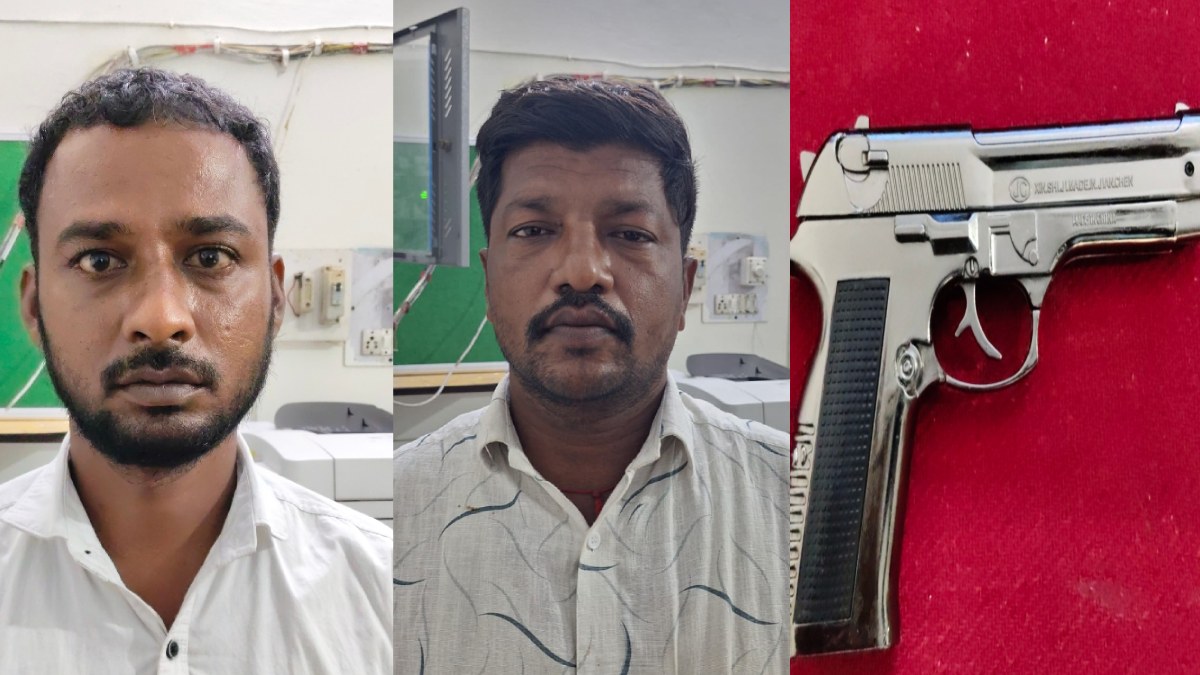
Kalaburagi police recently arrested the notorious Irani Gang, known to many as a vicious gang in India, that carried out robberies across several states. They wore police uniforms, disguised as police officers, the gang managed to manipulate unsuspecting citizens and lured them with police-like deception by asking, in the form of inspections, to halt vehicles under the pretense of carrying out checks, to stop their automobiles. They plundered gold and valuables with phony police-identity cards and false number plates, stealing gold and valuables. The arrest of the suspects provided devastating information about their operations, their means of doing so and criminal methods, as well as details about their criminal acts, had been released during this time period.
The gang’s strategy proved simple but dangerous. Two gang members became police inspectors, displaying phony ID cards to gain public trust. The rest of the group would surround victims, distract them, and steal gold ornaments, other valuable items. They had stopped vehicles often on highways trying to appear to check documents or search for illegal items. Once the victims were overwhelmed by this, the group snatched up jewellery within minutes and fled.
The gang also put fake number plates on their cars to avoid being tracked. Every time they robbed, they altered mobile phones, SIM cards and number plates. They made it hard for police to track their steps. Since they were able to disguise themselves and change identities at any time in a hurry, they became criminals, from Bengaluru to Mumbai, Hyderabad and Parli.
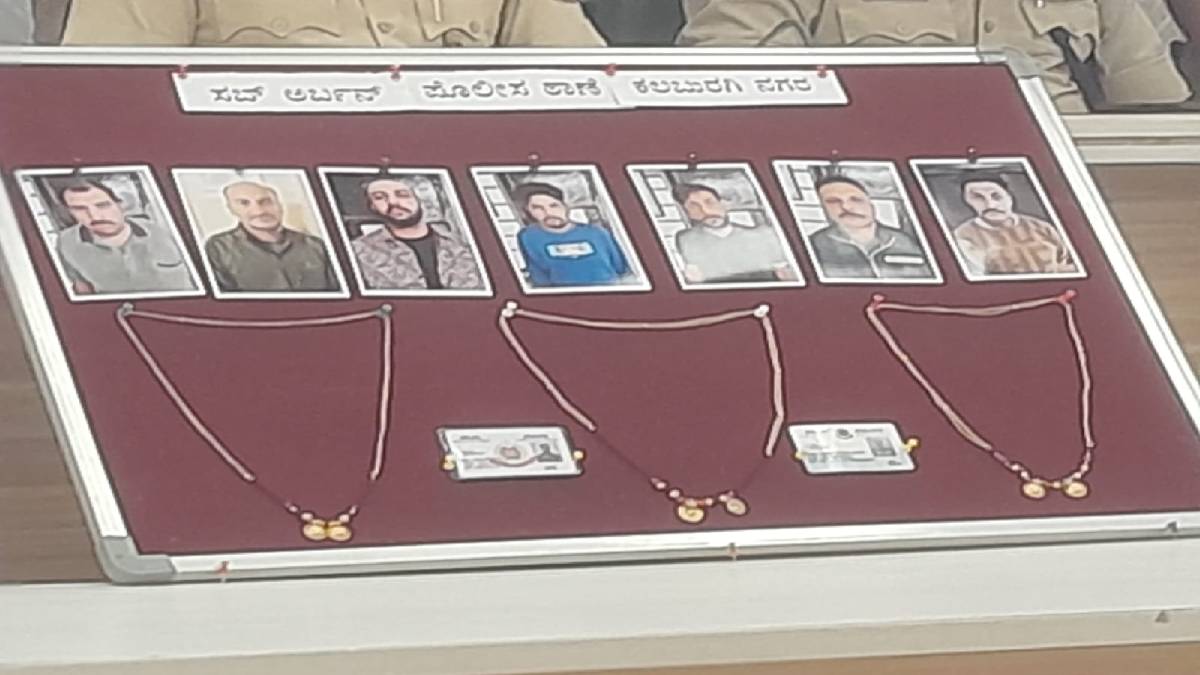
The robbery plan led to the arrest of the gang in Kalaburagi. Seven members were arrested by the police. Zaheer Abbas, Ali Razak, Lal Sameer, Khaseem Jafri, Alimirza, Jafar Ali Syed, and Jafar Syed were arrested by the police. They came from different states such as Maharashtra and all had a long record of committing crimes.
Police picked up 90 grams worth of gold ornaments that cost ₹15 lakh during the arrest. The case was registered at the Sub-Urban Police Station of Kalaburagi.

The investigations found Zaheer Abbas, formerly of Parli, had already been convicted in 15 robbery cases before. Although punished, he reentered criminal activity. Lal Sameer was also implicated in robberies in Bengaluru. His family connection to Kalaburagi, where his daughter was married, provided the gang an opportunity to act in the area.
The gang had previously carried out robberies in Mahbubnagar, where they pulled off robberies to steal gold ornaments disguised as police officers. Their criminal history spanned multiple states, demonstrating how organized and violent they were.
The gang’s activities instilled fear among the public. A lot of people trust police officers when they get pulled over, but this gang betrayed that trust. They used the appearance of fake uniforms and false ID cards to paint a bad picture of law enforcement and risked innocent people’s lives by crossing those boundaries.
The victims lost not only valuable ornaments but emotional trauma as well. The arrest in Kalaburagi reassured citizens that the police were working to protect them. It also puts into focus the need to cross-check one’s identity when approached by individuals posing as officials.
Kalaburagi police were quick to track down and arrest the gang. The investigators found that the gang changed phones and number plates after each crime. By tracking their movements closely, the police intercepted them before the next robbery occurred.
The gold ornaments, vehicles and weapons that were seized are a great success. It prevents many of these crimes and adds evidence for prosecution. The police have recorded cases and are now conducting investigations to find out more connections and potential suspects.
The arrest of the Irani Gang as depicted in Kalaburagi is an enormous win for the criminal justice system. This group of seven men had been doing the work around states to rob innocent individuals with their false police identities. They had cunning but vicious methods, using lies and fear.
Detecting the men has not only helped the cops recover stolen property but it has also restored credibility among the public. The case is a potent reminder that respect for law and order must characterize the pursuit of power and that misuse of authority will not be tolerated.
For citizens, it is a lesson to stay wary and alert when faced with strangers pretending to be officials. Kalaburagi’s police have done a good job handling the case, a lesson once again that crime may be clever, but justice is more powerful.