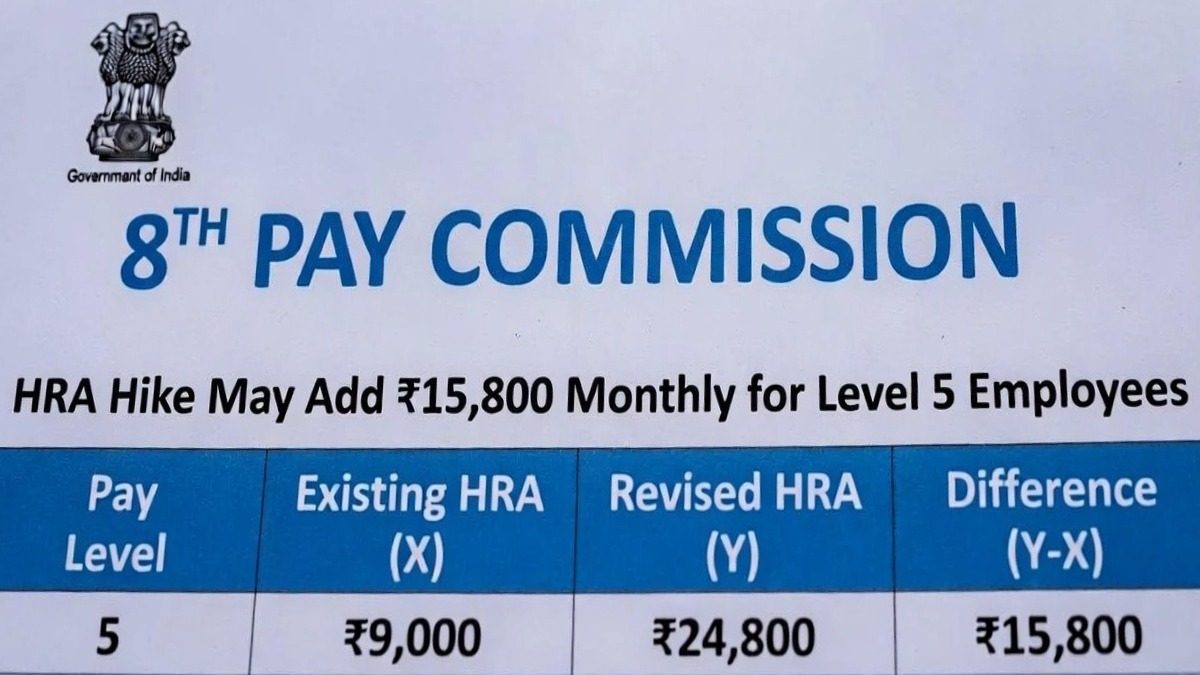
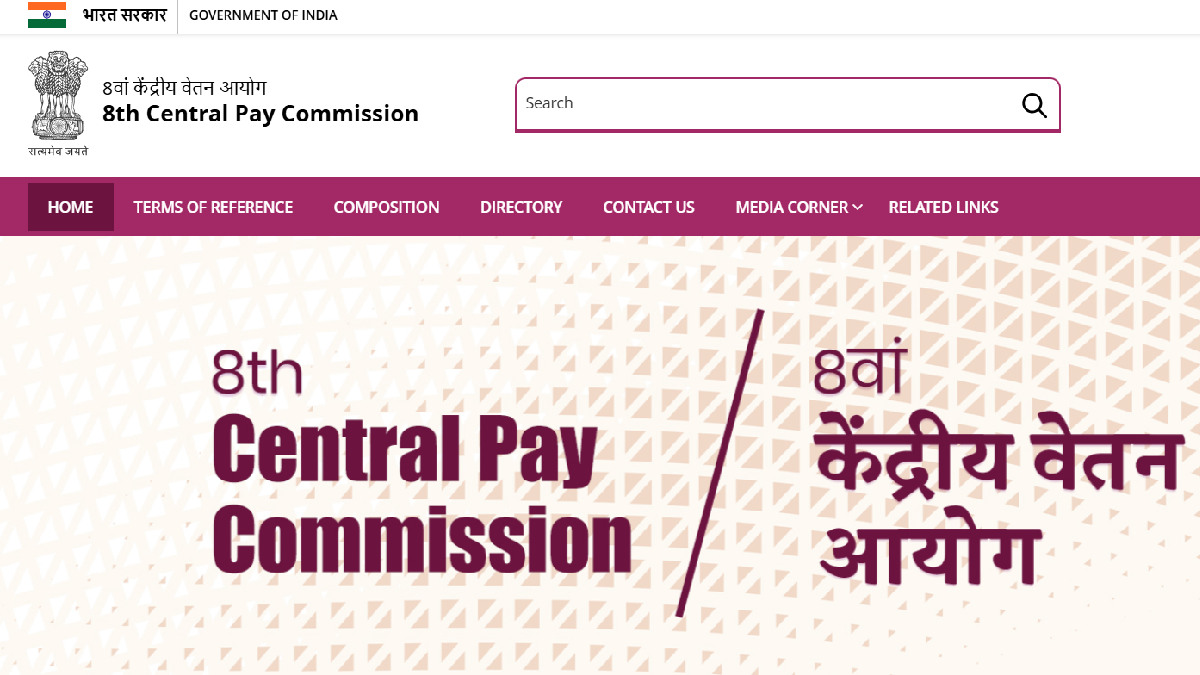
Since 2026, central government employees nationwide have also announced the strike, and so India is gearing up for a major labor action. The protest, organized by the Confederation of Central Government Employees & Workers, will impact services across the country. The strike is at the core of employee dissatisfaction with the 8th Pay Commission’s Terms of Reference, which employees have said don’t deal with their unresolved grievances.
The Pay Commission is a government-based office designed to survey and advise central government employees on the salary schemes that affect staff. It is part of this balance between inflation and wages reflecting changes in the economy. The 8th Pay Commission was founded to solve this problem, but employees feel that suggestions to their committee that may have been put in place are not made to pass muster with its body. This situation has led to frustration and a decision to call collective actions.
It is a matter of great importance, therefore, that the strike is on employees' key demands of their dignity and a living wage at work: the striking has several important causes. These include:
- 50% Dearness Allowance (DA) with basic pay as a supplement against rising inflation.
- Some 20 percent interim relief, effective from January 1, 2026, which ensures the commission’s suggestions are pursued in a financially sound way.
- Reestablishment of the Old Pension Scheme (OPS), replacing the current National Pension System.
- Regularisation of casual and contract workers to ensure no unfair wages for equal work under contract and job security.
- Scrapping of recent labor codes, which unions say weaken the rights and protections of workers.
These demands reflect wage-driven issues and broader worries about job security, pension reform, and treating workers fairly.
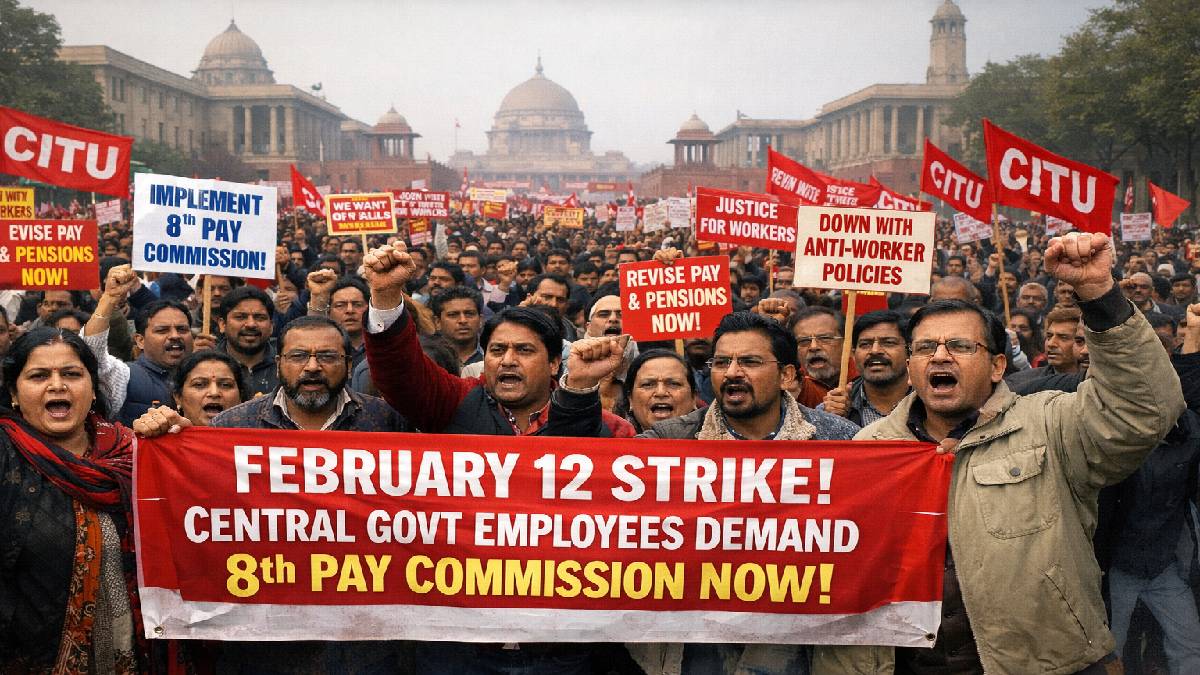
It was officially filed as a strike notice on January 23, 2026, and pressure on the government has intensified already. Negotiations, if unsuccessful, could result in a strike paralyzing administrative operations nationwide. Postal delivery, railways and public offices are some of the services impacted, while the consequences would knock tens of millions of people out of their routine.
This is not just about wages this is about what the future of labor relations in India will be. The 8th Pay Commission is, for the majority of workers, a moment of chance in economic prosperity and justice. Frustration has swelled into collective protest without substantive reform.
The strike exposes much more general issues on the state of government employee treatment. They feel that their views are not being incorporated into decisions which have a direct impact on their daily lives. The Old Pension Scheme is the concern over the pension security crisis and the regularization of contract workers demonstrate the fight over equality in the workplace.
Unions also say new labour codes weaken worker protections in the workplace and are making those protections harder for workers who are not satisfied with things that seem relatively secure. The strike is about more than pay, then: It is about dignity, fairness, and long‑term security.
With February 12 looming, the government’s response is all eyes. When officials decide to choose between easing their control in order to avoid interruptions at the national level or going on strike nationwide across India's basic services public trust also takes a turn for the worse. The whole situation will define the future of Indian labor relations and establish the method for treating employee complaints in the future.
This month, a strike by unionized central government employees on February 12 was a powerful reminder that equitable labor practices and responsive governance will become the key to an overall flourishing working economy. From salary increases to pension reforms and worker rights, the protest encompasses what employees are going through in many parts of India to find stability and dignity.
Whether the government decides to negotiate or go to war, the outcomes will be felt for decades and for India’s administrative apparatus. The country may be waiting to see if this strike is an actual turning point in labor relations, or just another chapter of our perennial struggle to be fair.