Karnataka Congress has taken legal action against three Instagram users for allegedly posting offensive and inappropriate content against Congress leader and Leader of the Opposition Rahul Gandhi. There are now questions about the limits on social media expression, the use of criminal complaints against online users, and whether young people should be subjected to prolonged legal action over posts and comments made on digital platforms.
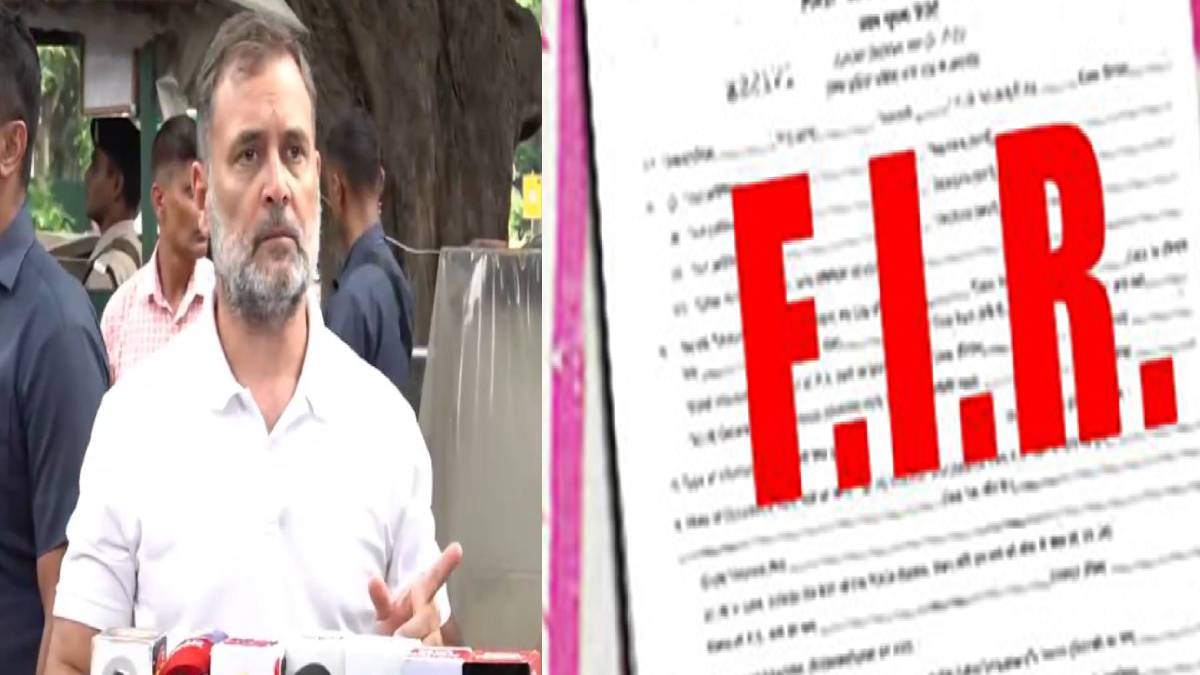
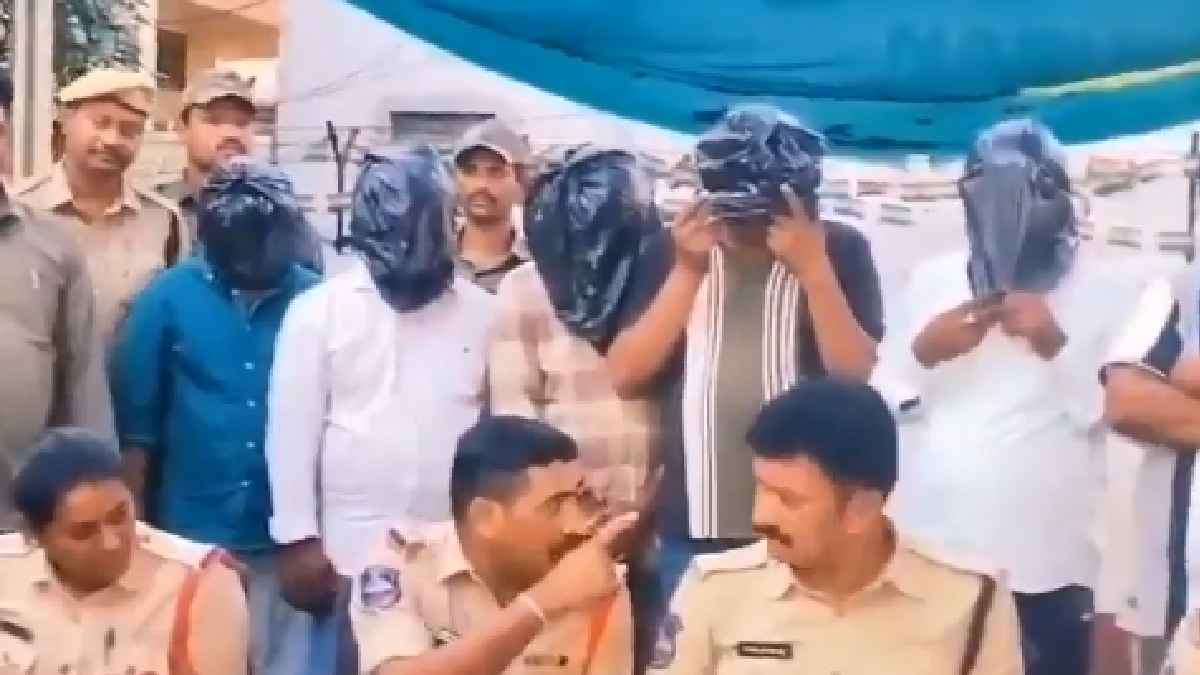
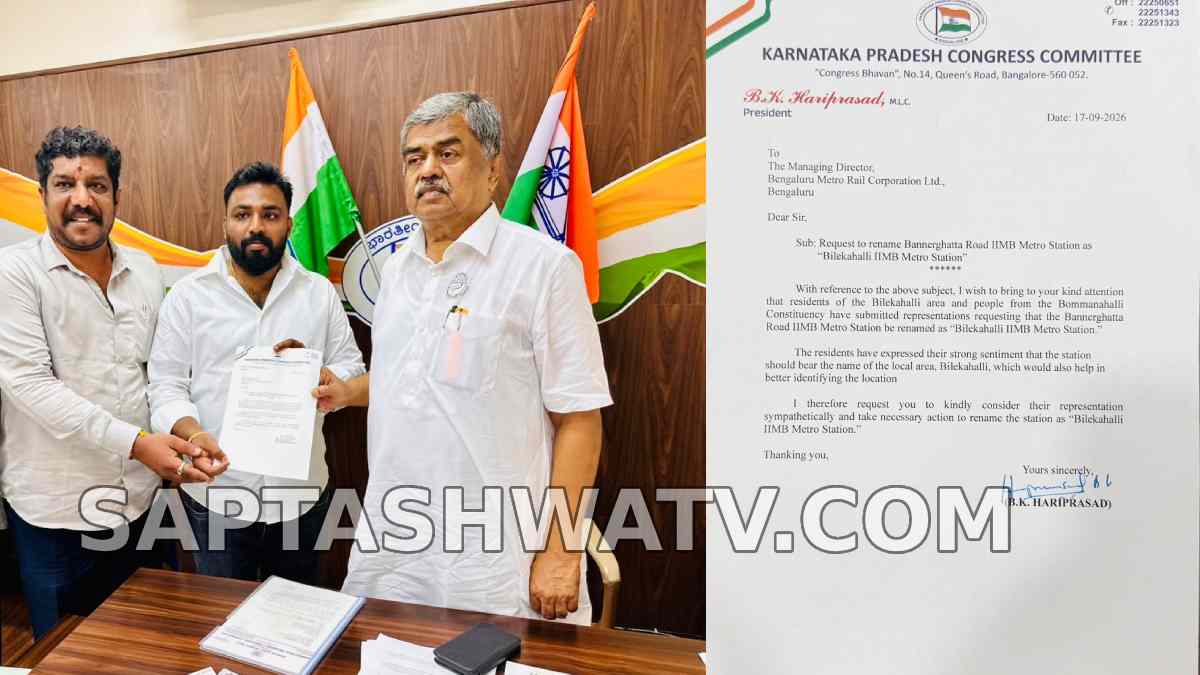
According to reports, the complaint was filed by a member of Karnataka Pradesh Congress Committee’s legal cell. The complaint alleged that an Instagram account posted a video containing derogatory, obscene and defamatory remarks towards Rahul Gandhi. The other users were also named for their abusive or provocative comments in response. Bengaluru Cyber Crime Police have initiated an investigation into the matter.
The case has attracted attention not only because Rahul Gandhi is one of India’s most prominent opposition leaders, but also because it comes amid a debate on political speech, online criticism, and the treatment of students and young social media users.
“Students Should Not Be Hounded?” Question Gains Attention
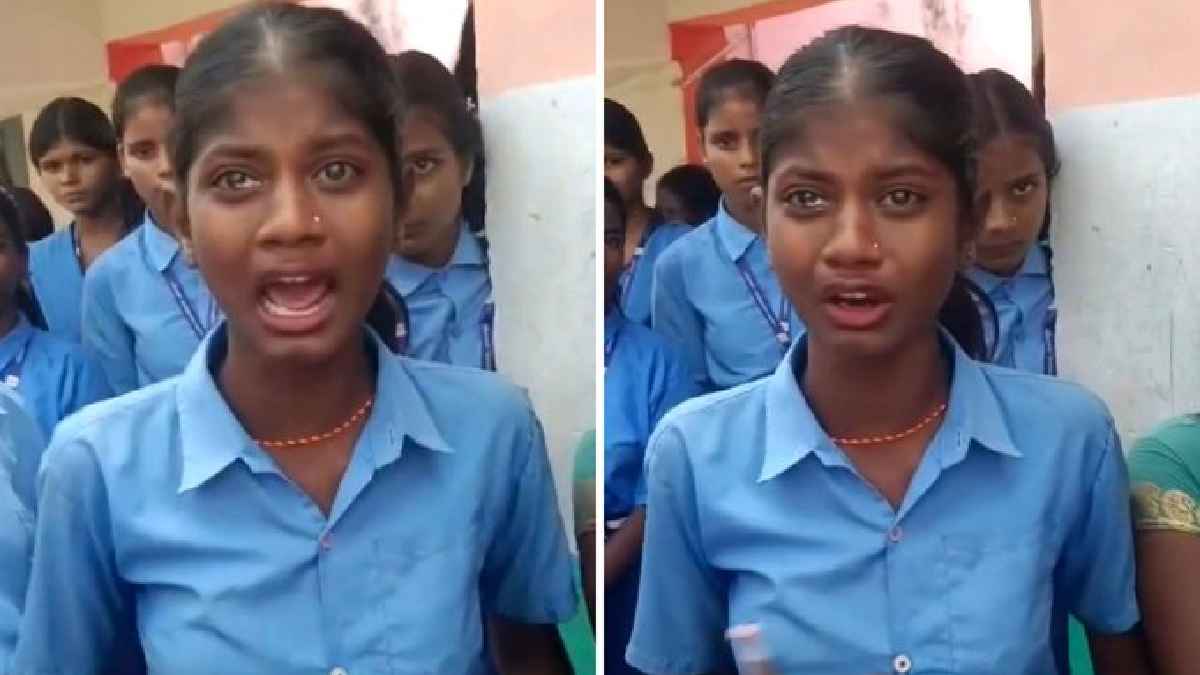
The FIRs have led critics to raise a pointed question: if political leaders and parties argue that students should not be hounded or subjected to excessive action for expressing their views, should the same principle apply when young people post offensive or politically critical content online?
The question really isn’t about defending abusive or obscene language. What social media users publish can be considered threats, targeted harassment, sexually explicit abuse and deliberate misinformation. Like everyone, political leaders are entitled to sue if they feel their dignity or reputation has been compromised.
But critics say that the response should be proportionate to the alleged offence. There is a difference between criticism, satire, political disagreement, immature online comments and content that genuinely crosses the legal threshold into criminal conduct.
The debate is more relevant when the accused users are students or young people who may not fully understand the long-term effects of an FIR. A criminal case can involve police inquiries, repeated appearances before authorities, legal expenses and possible effects on education or employment. This has led some observers to argue that criminal law should not be the first response to every controversial social media post.
Karnataka High Court’s Recent Observation Adds Context
A recent Karnataka High Court case involved a student and an Instagram direct message. The court rejected criminal proceedings against a college student who had sent a private message complimenting a classmate, and said that words commonly used by young people should not be treated as criminal conduct. This case would amount to an abuse of legal process, the court said.
The circumstances of that case are different from the allegations of Instagram posts against Rahul Gandhi. That case involved a private conversation, while the case that is currently in play is publicly shared content and comments. But the High Court’s observations in the case have reignited the debate on whether a system to protect young people should look at context, intent, harm and proportionality prior to criminalisation.
Political criticism and online abuse are not the same
Political criticism is central to democracy. Public figures are often under heavy scrutiny, satire and even harsh commentary. At the same time, criticism does not give immunity to threats, targeted abuse or unlawful content.
The challenge for political parties and law-enforcement bodies is to keep a common standard regardless of who is being targeted. If a party opposes the use of criminal cases against students or ordinary citizens for expressing political views, critics say that the same concern should apply if posts are directed at its own leaders.
This does not stop Rahul Gandhi or the Congress. Similar questions were raised when social media users faced police complaints for posting about Prime Minister Narendra Modi, other political leaders and big political parties. The wider concern is whether legal action is only being used to address genuinely unlawful content or whether criminal complaints can have a chilling effect on political expression.
Investigation will determine the Legal Position
The registration of an FIR does not establish guilt. The Bengaluru Cyber Crime Police will investigate the content, the context in which it was posted, whether any allegations made in the complaint are valid, and if any laws have been violated.
The case also makes the case for responsible online behaviour. Users of social media must know that anonymity is not absolute, and abusive, threatening or defamatory content can lead to legal actions.
At the same time, authorities and political organisations could be under greater pressure to ensure that legal action is proportionate and does not unnecessarily burden students or young users. The fundamental question is: if the principle is that students should not be hounded for political expression, should that principle be applied consistently, irrespective of which political leader is criticised?
The issue will further fuel the debate over free speech, political accountability and the appropriate limits of criminal action in India’s rapidly expanding online space in the near future.