The Supreme Court on Monday clarified that it has not approved any modification to Form 6 used by the Election Commission during the Special Intensive Revision (SIR) of electoral rolls. A bench headed by Chief Justice Surya Kant sought the Election Commission's response and said it wanted to examine official records to find out who made the changes to the statutory form.
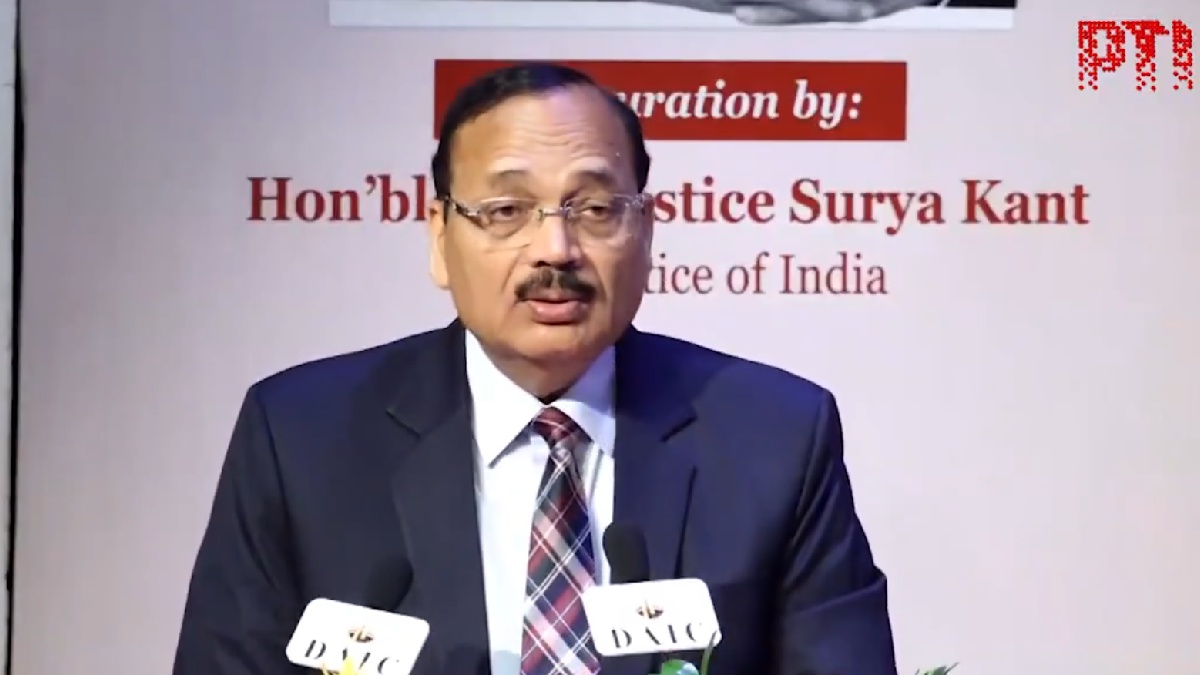
The Chief Justice Surya Kant and Justices Joymalya Bagchi and V Mohana made the clarification while hearing a Public Interest Litigation challenging alleged changes to Form 6 and other decisions and software changes made by the electoral roll revision exercise.
“Any modification to Form 6 has not been approved by us,” Chief Justice Surya Kant said, and it was clear that the court had not approved any change to the form. The bench also said it would investigate the records to find who authorized or introduced the changes.
Form 6 is the statutory application form for those who wish to be included in the electoral roll. The controversy centers on changes made to the form during the SIR exercise for the applicant's ancestry and whether the applicant's parents or grandparents had been on a previous SIR electoral roll.
The PIL was filed by Shailendra Mani Tripathi through advocate Chand Qureshi. The petition challenges decisions, guidelines and software changes allegedly made by Chief Election Commissioner Gyanesh Kumar without the concurrence of the other two Election Commissioners.
The plea was made following reports that two Election Commissioners had raised objections to some changes in the SIR process. The petition alleges that changes to Form 6 were made by the Election Commission's software without the statutory procedure for modifying prescribed electoral forms.
The Supreme Court also observed that the prayers in Tripathi's petition appeared to be “jumbled up”. The bench issued notice on the plea and tagged it with another PIL filed by Patna resident Rakesh Kumar Singh on the same issue.
The latest development comes days after the Election Commission, in a September 26 press release, said the Supreme Court had upheld the Form 6 declaration in its May 2026 judgment concerning the Bihar SIR. Tripathi’s petition, however, disputes the manner in which the alleged changes were introduced and argues that they were not made in accordance with the statutory framework.
According to the petition, EC Sukhbir Singh Sandhu recorded on August 13-14 that the alleged changes to Form 6 were “unauthorised and illegal” and should be withdrawn. Sandhu also admitted that DG-IT Seema Khanna did not have legal authority to restrict the access of Electoral Registration Officers to the relevant systems.
The petition also contends that Form 6 is a statutory instrument governed by the Registration of Electors Rules, 1960. Any amendment to prescribed forms under the rules, including Form 6, requires a formal amendment to the relevant rules through a notification by the Union Government.
The petitioner has claimed that discussions to add an additional declaration to Form 6 started in May 2026. The changes were supposedly based on whether an applicant's parents or grandparents were included in the last SIR electoral roll in the early 2000s.
On May 16, 2026, Election Commissioner Vivek Joshi stated that Form 6 could not be amended without changes to the electoral rules through Gazette notification. It also alleges that Sukhbir Singh Sandhu concurred with the position on May 19.
The petitioner has also claimed that the Chief Election Commissioner’s actions were in breach of the collective decision-making provisions of the Chief Election Commissioner and Other Election Commissioners Act, 2023. The client also asks for criminal action to be taken against Gyanesh Kumar and other officials for breach of official duties.
The petition is seeking to revoke purported changes in Form 6 from the ECINet and ERONet portals. It also seeks the statutory version of Form 6 that is required by the Registration of Electors Rules, 1960, and makes clear to eligible citizens that they can register as voters as described in the original statutory requirements.
The petition has raised more concerns regarding electoral roll changes in Goa and West Bengal. In Goa, it claimed that the Election Commission's software had no provision to restore 97 electors despite directions for their verification.
In West Bengal, the petitioner claimed that more than 16.10 lakh appeals were filed by the Election Commission in the Election Commission's name against voters whose names had already been restored by judicial officers.
The plea claims these appeals were filed with no authorisation from the other two Election Commissioners or the Chief Electoral Officer of the state and others in the state.
The Supreme Court’s decision to seek records and the Election Commission’s response could provide greater clarity on the origin and legal status of the disputed Form 6 modifications.
The matter also raises wider questions about the statutory process for changing electoral forms and the respective roles of the Election Commission and the Union government in such amendments.