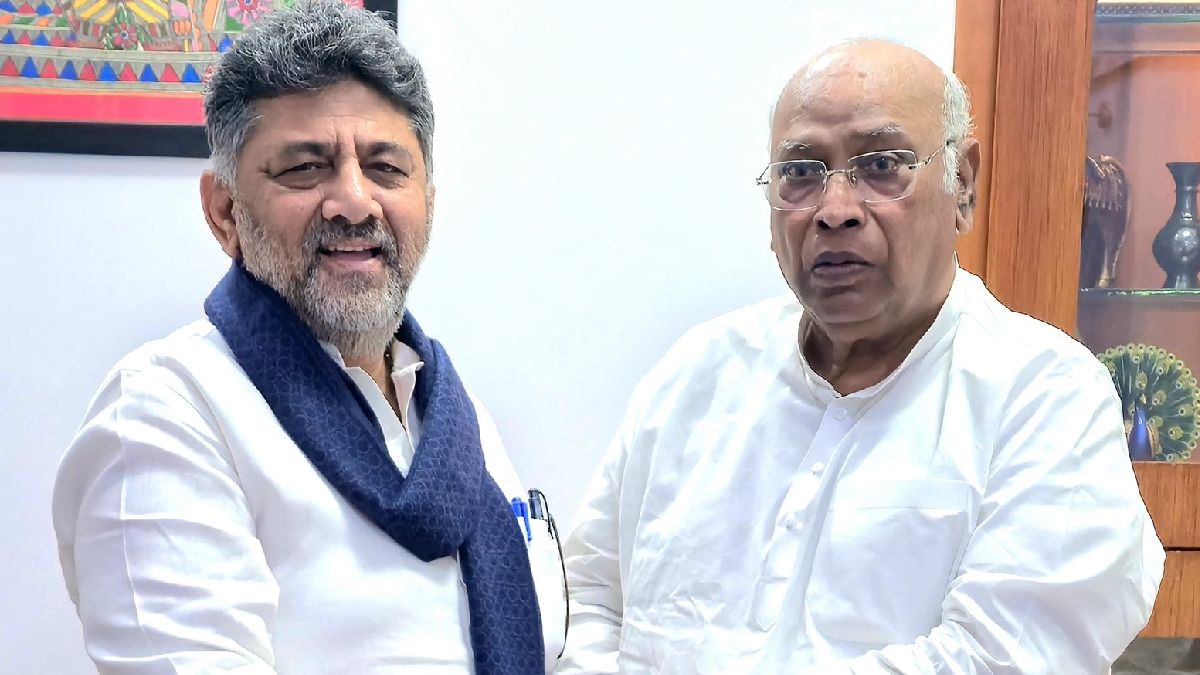
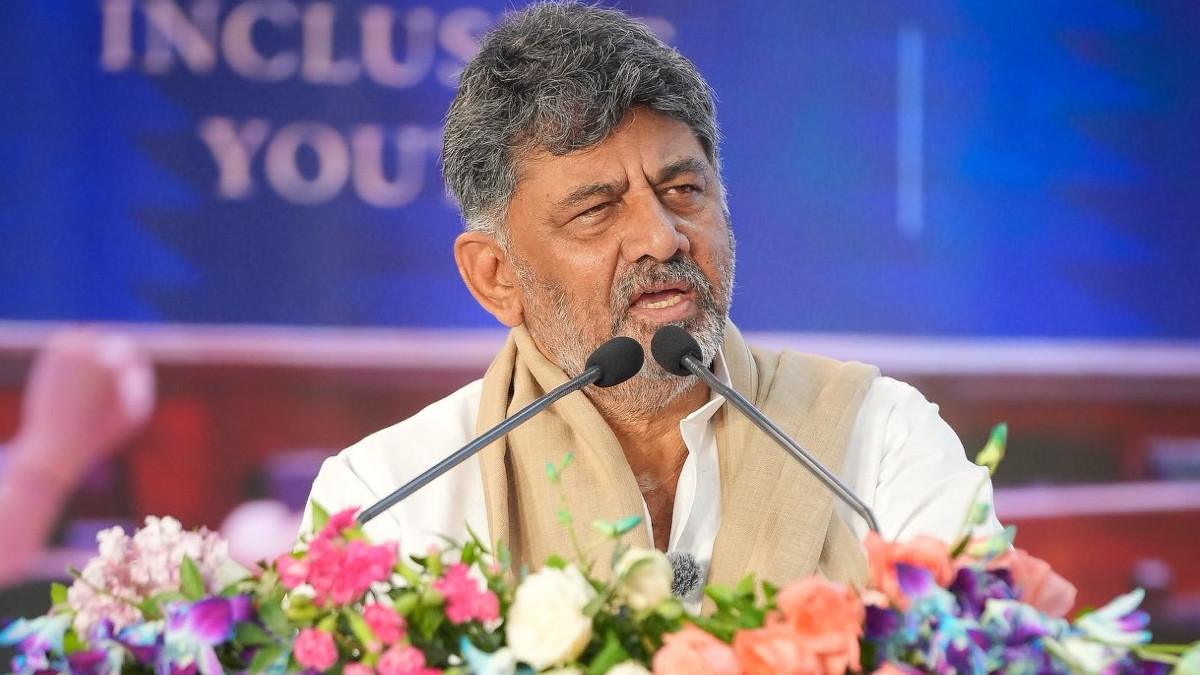
Karnataka is considering a major change in the way Artificial Intelligence is introduced to school students, with Chief Minister DK Shivakumar indicating that the state government is thinking about bringing AI education into government schools from Class 6.
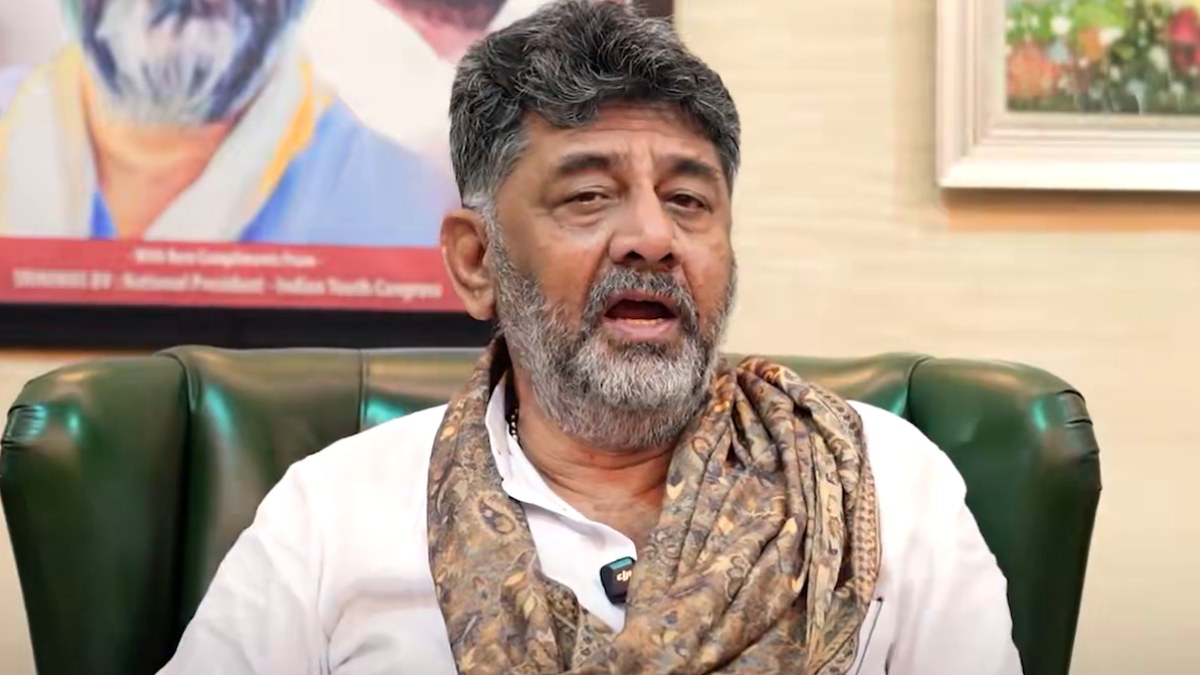
The move could represent an important change in the state's school education system as Artificial Intelligence increasingly becomes part of everyday life, professional careers and the future job market. The move is aimed at helping students understand emerging technologies at an early stage and prepare themselves for a rapidly changing digital environment.
The idea of introducing AI education from Class 6 indicates the growing importance of technology-based learning in schools. Instead of teaching students a textbook-based education, a more hands-on lesson in Artificial Intelligence, digital tools, computational thinking and technology management should be introduced. For government school students, it might be possible to make them learn about such things early on to bridge the technological divide between students from different socio-economic backgrounds.
In the government's plan, DK Shivakumar said the possibility of introducing AI education from Class 6 in Karnataka's government schools is being considered. The suggestion is part of a more general discussion about the way the education system should respond to the fast-developing technology. Artificial Intelligence has already entered several industries, including healthcare, finance, manufacturing, education, transportation, media and entertainment. Policymakers are therefore looking for ways to ensure young people develop the skills needed to understand and work with new technologies.
If implemented, AI education at the school level is likely to be more about age-appropriate concepts rather than advanced programming or high-level technical subjects and will focus on students learning to recognise patterns and systems of data. Students can learn in stages how AI systems work, how computers discover patterns, data collection and how technology can be employed to solve everyday problems. Lessons could also include discussions about responsible technology usage, privacy, misinformation and ethical issues in Artificial Intelligence.

The proposed Class 6 starting point might be important as students are starting to develop better analytical and problem-solving skills. Technology concepts at this level could make students curious and allow them to experiment with ideas through real-life activities. Instead of being treated as an exam-oriented subject, teachers might use projects, demonstrations and interactive learning methods to help students understand the subject.
If Karnataka moves forward with the plan, teacher training will be one of the key factors. There are many government schools in the state that have different levels of access to digital infrastructure, so teachers need specialised training before AI-related lessons can be implemented effectively. Training would need to be made available to teachers on the basic aspects of AI and the best way to explain the concept to children. The availability of computers, internet access, smart classrooms and the right resources to learn may also inform how well the program is executed.
The initiative will also offer new possibilities to students who may not get to experience emerging technology. Government schools have many children in urban and rural Karnataka. AI education in these schools could provide students with a firsthand understanding of the skills that are likely to be needed in the future of employment. It may also lead students to choose careers in technology, engineering, data science, robotics and other emerging fields.
But such a program would need careful planning. Education professionals have repeatedly stressed that when new technology is introduced in schools, it should not come at the expense of foundational learning. Students need to continue to develop strong skills in languages, mathematics, science, social studies and communication while being exposed to emerging technologies. AI education should support, rather than replace, these skills.
So the decision by the Karnataka government to consider AI education from Class 6 could be a step in the right direction for modernising school education. If approved and implemented in a way that aligns with the required teacher training, infrastructure and age-appropriate curriculum, government-school students may get the opportunity to understand one of the most influential technologies shaping the modern world. The next key step will be for the government to translate the proposal into a formal curriculum and implementation plan across Karnataka.