In recent years, the United States is getting a lot of people on its southern coast to the USA. That’s illegal not through genuine visas and smugglers are getting in and out of the U.S., so people who can come to America with a foreigner and bring the country back, many migrants do so through irregular migration like those who made it there as they made their way.
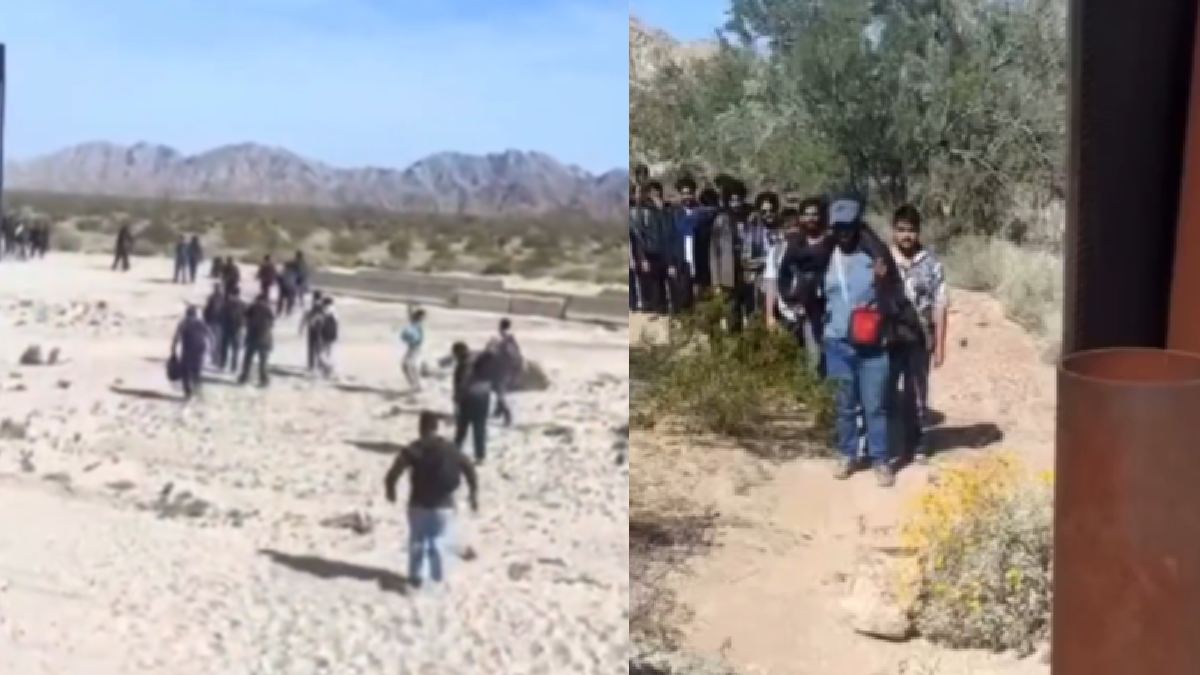
The journey is known to be very much “donkey flights,” so‑called because it is generally a multiple‑country ride orchestrated by smugglers. A few countries in Latin America can be where migrants come over before crossing the U.S. Border. It is a difficult, difficult and uncertain path to get them into the country, and families see this to be the only way out of poverty and unemployment and social struggle to work the hard job after this journey (to be well paying).
The scope of this migration has grown dramatically. In 2020, around 1,000 Indians were caught at the southern border. In 2023, this number had reached 40,000 and figures are trending upward. As it has got the U.S.’ attention now as such the population of Indian citizens of the USA is one of the fastest growing groups coming in irregular ways.
The reasons for this movement are diverse. Economic hardships, social pressures and economic limitations in India are just making people move abroad. So many smuggling networks exploit those hopes, so they can create dangerous routes (but not borders) which are far shorter than the official immigration system. For many migrants, it is a dream to arrive in the USA too which seems bigger than the danger that exists.
With immigration increasing for both countries irregular migration poses challenges that are faced by both countries. For the U.S. 's border management and asylum systems, irregular migration puts pressure upon immigration by the U.S And for India, that calls into question why so many of citizens are desperate and driven out through unreliable routes. The journey can include exploitation, debt, and risks of injury or death.
The increasing number of Indians crossing into the U.S. via donkey flights is a tricky problem. It reflects the pressure on people all over the globe and on the economy in India and on the opportunity abroad in general. The numbers are all over the map, but really humans are so much more human in our story‑sharing. Working together with the countries, and putting borders and protections into place for their communities, we will be able to provide a better environment in which migration and refugee refugees are able to earn a better living.