FSSAI: Food Safety and Standards Authority of India has put into effect a huge order about changing the way milk is sold nationwide. Now all independent milk producers and sellers have to be registered or licensed to sell milk. It is part of a national campaign to stamp out milk adulteration and protect consumers.
FSSAI has stated without proper registration milk sales will be prohibited. As a result, independent producers, who frequently sell milk directly to consumers and are not co‑owning entities, must now meet the usual licensing regulations. All such producers will be monitored by the authorities and registered. The authorities will hold tight over those who sell milk without authorization.
The new rules also involve monitoring systems to uphold quality guidelines. Uniform checks on milk chillers will also be performed to monitor hygiene and storage conditions. To keep them clean, producers have to maintain proper storage temperatures. Such measures aim to impose closer supervision and disrupt the loop of milk adulteration that has been reported from several places.
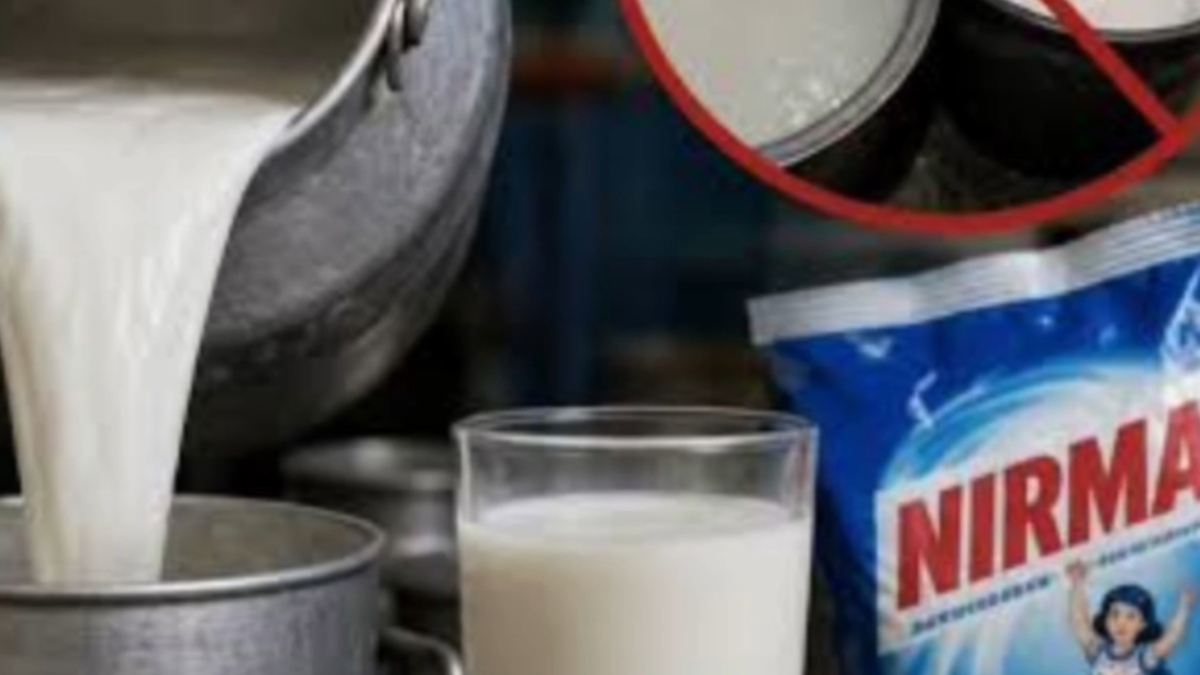
Milk adulteration is a long‑standing issue in India, where water, starch, detergent, and even harmful chemicals have been added to milk according to reports. These practices not only cheat consumers, but also pose serious health risks. FSSAI wants to enforce registration and licensing so that all producers are brought under the regulated regime and easier to catch and punish violators.
For independent milk producers, this directive means that formal processes are followed now to keep their business afloat. While the move has been expected to bring down some of that initial disruption, it will provide greater accountability and transparency to the dairy sector. The impact will be positive for consumers.
Consumers, on the other hand, will have safer milk and dairy with lower chances for adulteration. Many consumers welcomed the shift, viewing it as a move toward safer food. A few smaller producers, however, took the paperwork and compliance costs seriously. Still, in the long run, experts see the benefits of retailing regulated milk far outweigh the short‑term downside.
The FSSAI directive is a major step in the direction of good food safety. The aim is to protect its consumers and to reduce such adulteration practices by mandating that all milk sellers be registered. As a result, the goal of this national crackdown should be more confidence in milk sector and that families all around India will get milk that is safe, clean, and healthy.