PepsiCo is going to remove the word "Energy" from the names of its popular Sting drink after the Food Safety and Standards Authority of India (FSSAI) has changed rules on how caffeinated beverages are advertised and marketed.
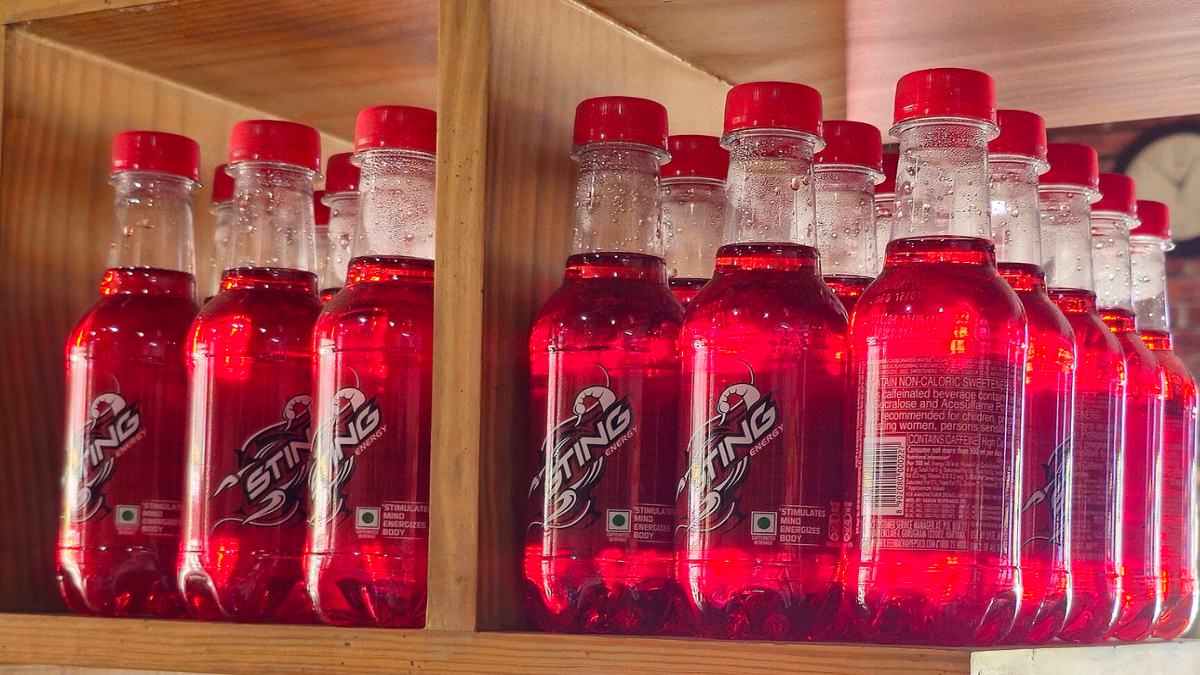
The new regulations require beverage manufacturers to align product names, labels, and promotional materials with prescribed categories under India's food safety framework. For such a reason, PepsiCo has started to change Sting's packaging by dropping the prominent "Energy" branding while still selling Sting brand name.
Sting has become one of India’s most popular caffeinated beverages, especially to young consumers looking for a cheap and refreshing drink. Over the years, bold marketing campaigns and bright packaging made the product easy to brand for a company in an often fiercely competitive beverage market. The elimination of energy branding is just a branding change, not a product elimination.
As industry observers noted, the change is primarily regulatory and doesn’t necessarily indicate any change in the beverage’s formulation or availability. Sting will still be available on retail shelves and in future packaging will be consistent with FSSAI branding.
The Food Safety and Standards Authority of India has been adding to labelling regulations in food and beverage industries to improve transparency and prevent misleading claims. Product descriptions should be in line with approved food categories so that consumers can make educated choices.
Words like “energy” carry a regulatory risk for beverages with caffeine or other stimulating ingredients. Labelling changes are to standardize terms and to avoid confusion about nutritional claims and product classification.
The packaged beverage market in India has increased very rapidly in recent years, with functional beverages, sports drinks, fruit-based drinks, carbonated soft drinks, and caffeinated products in particular. With more competition in the market, manufacturers will be very much in the business of branding and marketing to differentiate their products. Regulatory oversight has also intensified to ensure that marketing messages are in compliance with food safety legislation.
For PepsiCo, the packaging update can be seen as a way to comply with Indian laws, but maintain consumer confidence in one of the company’s signature beverages. Companies in India’s food and beverage sector often update their labels and packaging to address evolving regulatory requirements, for example nutritional information, ingredient declarations, health warnings, or product classification.
The FSSAI has recently brought in several measures aimed at improving food labelling standards. These include clearer nutritional disclosures, tighter advertising guidelines, more ingredient transparency, and increased consumer awareness. And such changes are supposed to make the food industry consistent while building public trust in packaged goods.
Industry analysts believe the Sting branding revision may also prompt the other beverage makers to review their packaging and promotional materials to comply with new regulations that have been developed to ensure compliance. New products are introducing new products and will need to be closely assisted by regulatory experts during product design, so as to avoid any future compliance problems.
Consumer groups have generally welcomed better labelling standards, believing that clear and accurate product information will help consumers to better understand what they’re purchasing. Open packaging may also differentiate beverage categories and help consumers to discern between different types of beverages and make choices based on their preferences and dietary needs.
On the other hand, market experts do not expect the branding change to significantly affect Sting's popularity. The beverage has developed a strong brand name and its popularity lies mostly in the packaging, taste, and availability, not the word “design” used on the label.
India is still one of the fastest-growing beverage markets and multinational companies and domestic brands continue to invest heavily in product innovation and distribution. Regulatory compliance is becoming increasingly critical to business strategy as authorities tighten control over food safety, packaging, and consumer information.
PepsiCo’s decision to remove the “Energy” branding was very much in line with Sting’s need to have the best products to meet the food and beverage label standards and to meet FSSAI standards. As the regulatory landscape changes, manufacturers will make the same adjustments in order to keep up with the times' increasing demand and be relevant to the market in India.