As a person of Union Culture and Tourism Minister Gajendra Singh Shekhawat’s passionate and honest face-to-face interaction with Union Culture and Tourism Minister Gajendra Singh Shekhawat has received admiration on social media, with viewers praising what they saw as an authentic and very much of a genuine and deeply humanistic expression of commitment to India’s culture, heritage and tourism in the language of India’s culture, heritage and tourism.
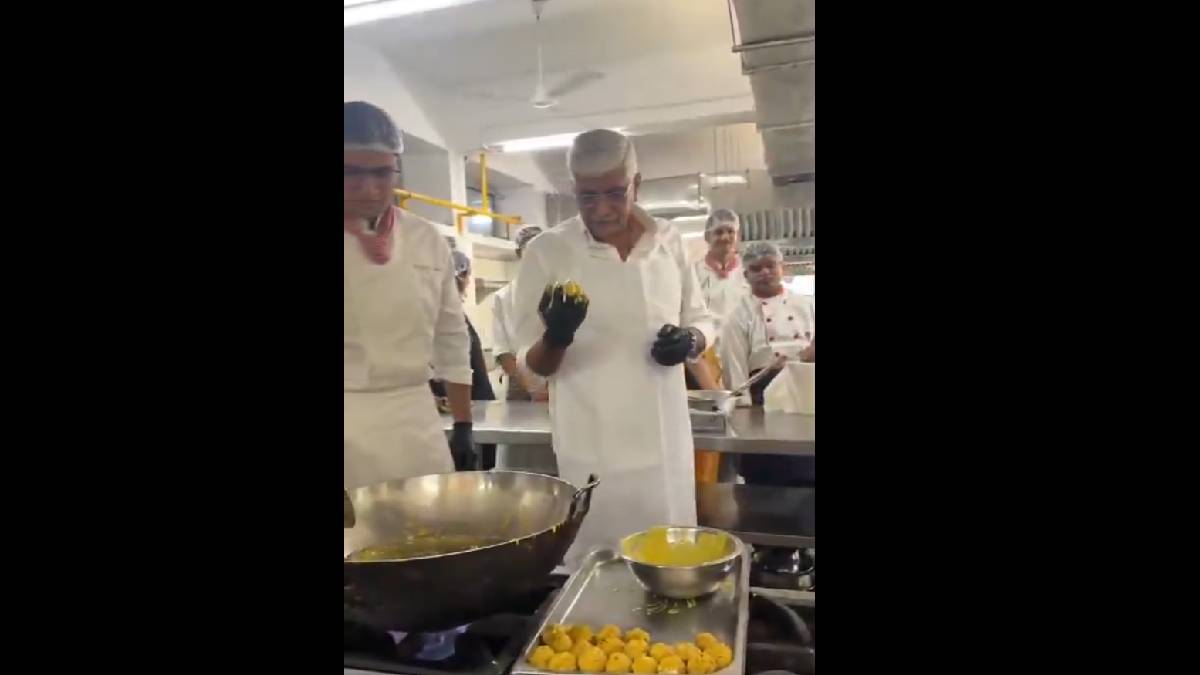
Those words have certainly been widely shared, the message being that real leadership is often reflected not only in formal speeches and official announcements but also in the ability to communicate directly and genuinely with people.
This is what real leadership looks like- raw, honest, and deeply relatable.
— Megh Updates 🚨™ (@MeghUpdates) July 30, 2026
Hon’ble Culture & Tourism Minister Shri @gssjodhpur ji speaking without filters, connecting straight from the heart. No scripted lines, just pure passion for India’s culture and tourism.
Moments like… pic.twitter.com/3bvuO59f0V
Social media users noted that the minister’s style was “raw, honest and deeply relatable,” and that there wasn’t so much scripted language. But the interaction was praised for personal conviction and a strong emotional connection with India’s cultural identity.
But they also had no scripted lines (“No scripted lines, only passion for India’s culture and tourism”) in common.
The response to the minister’s remarks demonstrates the importance of authenticity in public communication. In our era, political speeches and official statements are largely pre-planned; spontaneous or conversational moments can put audiences in a better mind-frame.
Supporters said the interaction showed a leader speaking “straight from the heart,” a leader who was “speaking from the heart” about the country’s cultural richness and tourism potential.
India’s cultural heritage is one of the country’s greatest strengths. Ancient monuments and historic cities, as well as traditional arts, music, dance, crafts, festivals and local cuisines are all part of the country’s cultural diversity, which helps us to see that things are in the past as well as in the present.
The Ministry of Culture and the Ministry of Tourism are very much part of this heritage and also promote it to visitors from India and abroad.
Culture is closely connected with tourism and tourism is inextricably linked to cultural preservation. Historical places, museums, religious destinations and traditional places attract millions of people each year. In the same way, when tourism is responsible, it creates jobs, supports local businesses and artists and artisans.
The appreciation for Shekhawat’s words focused on the idea that India’s heritage is not just a collection of monuments or historical records. It’s a daily part of life: in languages, traditions, celebrations, architecture and community practice.
“Moments like these remind us why our heritage feels alive,” the social media post said.
The statement resonated with those who think cultural leadership includes both preservation and public participation. Protecting heritage requires government support, but it is also up to citizens, local communities, historians, artists and cultural organisations to do so.
Public figures can help to bring the public’s attention and understanding of India’s various cultures. When leaders speak with visible enthusiasm about culture and tourism, they can help bring attention to lesser-known destinations and local heritage.
The minister’s remarks were also taken as an example of a more personal style of leadership. Instead of a whole lot of formal language, the interaction seemed to convey passion and conviction in an extremely direct manner.
Supporters called this approach “keeping it real”: authenticity is a way of communicating that makes public communication more relatable.
In a similar vein, the response also highlighted how fast short videos and social media clips are influencing public perceptions of political leaders. A short interaction can reach a wide audience and generate discussions about leadership, governance and national identity.
Public appreciation of a leader’s communication style is only one part of the larger conversation. Cultural and tourism policies are also assessed through their impact on heritage conservation, infrastructure, visitor experiences and support for local communities.
But the enthusiastic nature of the interaction also reflected the strong emotional association people have with India’s cultural heritage.
India's tourism sector still has vast potential for the future, with opportunities ranging from heritage tourism and spiritual travel to eco-tourism, rural tourism and cultural tourism.
These areas are the first to be promoted by investment in infrastructure, accessibility, cleanliness and protection of historical and natural sites. It also needs central and state government, local authorities and communities’ cooperation.
The minister’s passionate comments have therefore been seen as a reminder that culture and tourism are not merely administrative sectors. They are intimately tied to identity, history, livelihoods and the image of the country around the world.
The viral moment has made the minister’s direct and heartfelt style appreciated. The supporters said that leadership is strong if it’s personal, genuine and rooted in a genuine connection to people.
For many viewers, the interaction was an homage to India’s rich culture and evidence that heritage survives because people preserve it, practice it and share it.
As we see the video circulating, the message remains clear: passion in public communication can help make it meaningful, especially when it is to do with the culture, traditions and heritage that are the bedrock of people across generations.