The Ganga is rising rapidly in Varanasi too, with the river approaching the danger mark and authorities taking precautionary measures across the city. All 84 ghats along the river have been affected and around 6,400 people have been displaced from vulnerable areas and moved to safer locations.
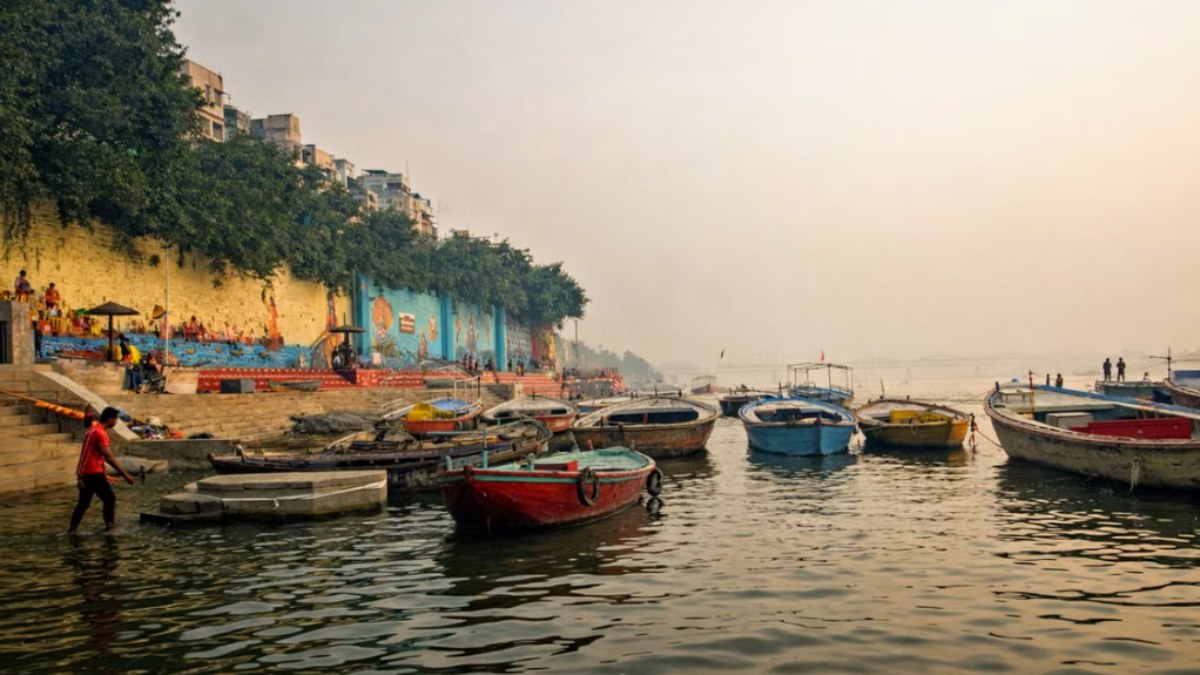
The rapid rise in the river level has put a hold on several activities on the ghats as far as religious ceremonies and cremation are concerned. The Ganga Aarti at Dashashwamedh Ghat has also been shifted to safer places as the water continues to rise.
Why is the Ganga Rising in Varanasi?
The immediate reason is the continuing upward movement of the Ganga’s water levels after heavy rainfall and increased water flow upstream. The river has risen by more than 1.26 metres in about 30 hours, the Times of India said.
The situation is part of a wider monsoon-related rise in river levels in northern India. Heavy rainfall and increased discharge into rivers can cause water levels to rise very quickly downstream, so low-lying and riverfront cities and communities are particularly vulnerable.
The Ganga's rise in Varanasi has been especially dramatic because the city’s 84 historic ghats are directly connected to the river. These stepped riverfronts are used for bathing, religious rituals, cremations and other daily activities.
When water enters the lower parts of the ghats, the authorities have restricted access in order to protect residents, pilgrims and visitors.
84 Ghats affected, thousands moved
The rising water has affected the entire stretch of Varanasi’s famous ghats. The authorities have shut all 84 ghats as a precautionary measure, and thousands of people living in vulnerable areas have been relocated.
More than 6,400 people have been displaced and relocated to safer areas, the report says, including relief camps. Residents are being moved to safer places to reduce the risk for people as the river gets closer to danger in the river.
The flooding has also disrupted the normal activities on the riverfront. The ghats in Varanasi are busy on a daily basis for pilgrims and visitors on the riverfront. The current situation has forced authorities to close off some of these areas.
The impact has also spread to cremation. Rising water levels have forced cremations at Manikarnika Ghat and Harishchandra Ghat to be moved to higher platforms, rooftops, and nearby lanes, since the typical cremation venues are inaccessible.
Ganga Aarti Venue Shifted
One of the most visible effects of the rising water is the change to the famous Ganga Aarti.
All the devotees and visitors at Dashashwamedh Ghat come to the daily ceremony. The river is still rising so we have moved the ceremony away from the water's edge for the safety of the priests and the people watching.
The Ganga Aarti is performed daily in Varanasi as a ritual dedicated to the Ganga. The main ceremony takes place at Dashashwamedh Ghat but aarti is also performed at several other ghats.
The rising water forced authorities to move the Dashashwamedh Ghat ceremony by 10 feet from its usual position on the Dashashwamedh Ghat ceremony location, they said Monday.
The change allows the ritual to take place and thus reduces the danger posed by the rising river.
Authorities keep track of water levels as they rise.
The situation is still closely watched because the Ganga's water level has been changing rapidly. Varanasi has witnessed this rise, and other parts of the Ganga basin, too, are worried.
In neighboring regions, rising levels of the Ganga and other rivers have already prompted flood preparations. Bihar, for instance, has been dealing with rising river levels after heavy rainfall and flash floods in Nepal increased water flow in several rivers, including the Ganga.
The immediate focus in Varanasi is keeping people away from the more vulnerable riverfront sites and providing displaced people with safe places to live.
The city’s relationship with the Ganga makes the situation particularly important. The riverfront is a crucial part of the religious life, tourism, and daily life in Varanasi, and the ghats’ restrictions do impact both residents and visitors.
There are still monitors monitoring the river as the water level approaches the danger level. With the monsoon still going on, the next few days will see if the river starts to recede or continues to rise, and more serious action will need to be taken.