
The Supreme Court on Monday declined to intervene in the proposed September 5 protest march in Delhi organised by the Cockroach Janata Party (CJP), saying there was no compelling reason at this stage to presume that the mobilisation would turn violent.
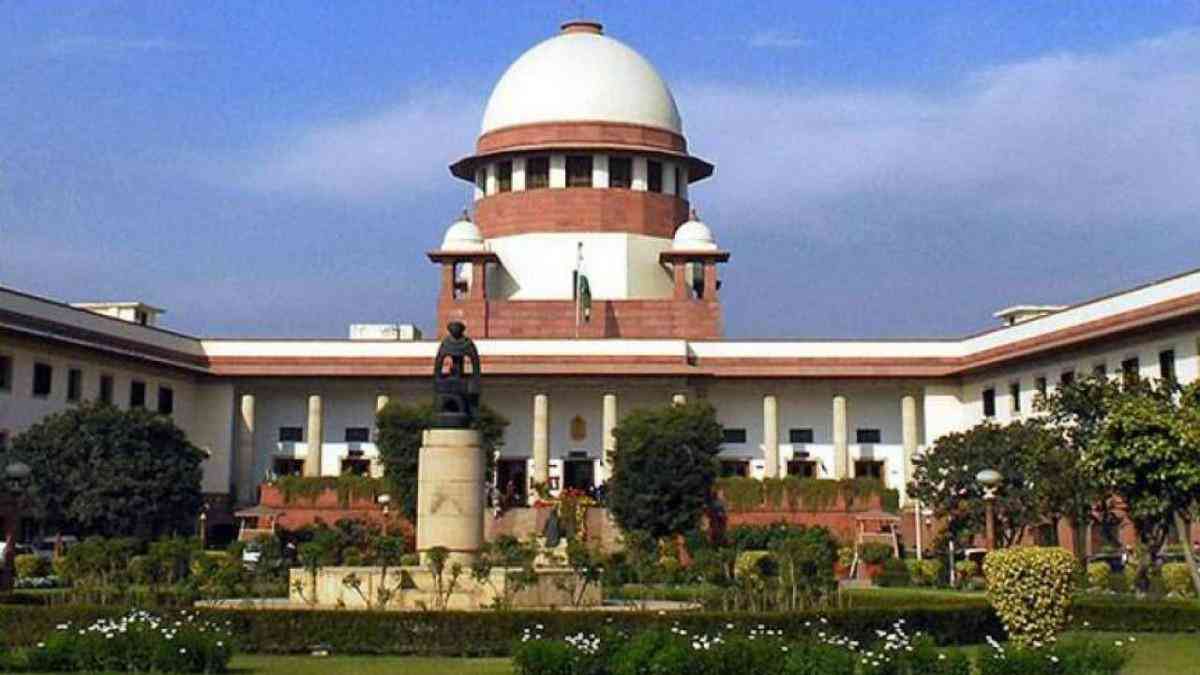
A bench headed by Chief Justice of India Surya Kant, alongside Justices Joymalya Bagchi and V Mohana, said it expected all participants and authorities involved in the proposed demonstration to maintain peace and comply with the law.
The court also made it clear that decisions about permission for the march and arrangements relating to law and order were matters for the Centre, the Delhi government and concerned authorities.
Supreme Court Has No Reason To Presume Violence
The bench said there was no reason to assume that the proposed demonstration would lead to violence or disruption at this time, the bench said.
The court was confident that there would be no violence and people coming to the mobilisation would be peaceful and within the legal framework.
The petitioners had approached the Supreme Court seeking restrictions on large-scale demonstrations in security-sensitive areas of central Delhi including India Gate and Central Vista. They also asked for postponement of the proposed march until after the BRICS Summit scheduled for September 12 and 13.
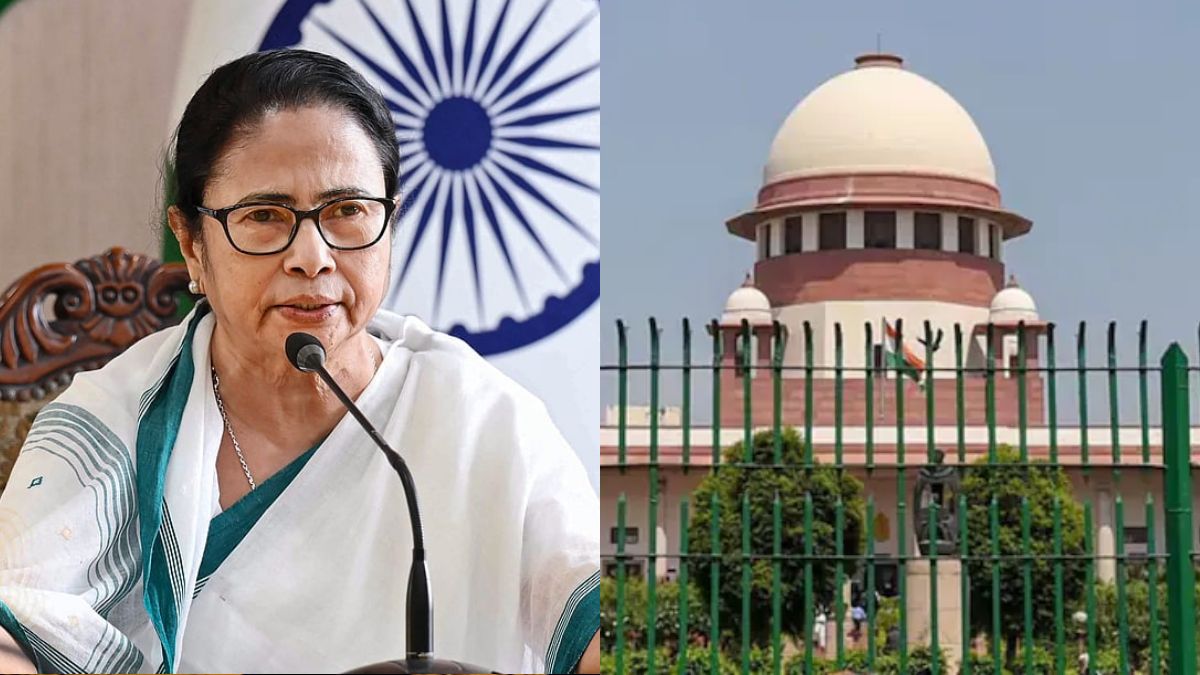
But the court did not find sufficient grounds to order an order preventing the September 5 mobilisation.
Law And Order Left To Government Authorities
One of the petitioners claimed that the march was organized without police permission and that the group put the world at risk and could undermine law and order before the global summit took place.
But the Supreme Court said such questions should be handled by the competent authorities.
The bench emphasized that it was for the relevant authority to determine what was legally permissible and what was not. All parties involved would be expected to act lawfully and reasonably, the court also said.
By refusing to halt the march, the Supreme Court has effectively left decisions regarding permissions, routes, security and crowd management to the Centre, Delhi government and police authorities.
CJP is calling for a protest on NEET protests
The proposed September 5 demonstration has been described by organisers as a peaceful march from India Gate to Delhi Police headquarters.
The mobilisation is being led by families of students who died by suicide following the cancellation of the NEET examination and its subsequent re-test. It is also supported by people who have alleged police excesses during the July 20 agitation.
The protesters claim that the Centre had given assurances on July 25, and so their 36-day protest at Jantar Mantar was withdrawn. They decided to return to the streets because they felt that the assurances were not being kept up to date, the organizers said.
All India Students' Association (AISA) is also supporting the three-kilometre march.
Probe Into July 20 Protest
The Supreme Court has already taken steps to investigate the allegations associated with the protest on July 20. A five-member high-powered enquiry committee of retired Supreme Court judge Justice R Subhash Reddy has been formed to investigate the matter.
The committee is expected to investigate allegations of excessive force by police during the agitation. These include pellet guns, electric batons, lathis and tear gas, among others.
At the same time, the inquiry will also be concerned about protesters’ claims of violence against police officers, injuries to their members of the force and damage to public property.
A step would be taken to establish the facts of the July 20 events and to investigate what some of the opposition say happened.
Matter Posted For September 10
The Supreme Court directed that the latest petition be served on the Centre, the Delhi government and the high-powered enquiry committee.
The matter has been posted for September 10, five days after the proposed march.
The September 5 mobilisation remains subject to the law and order authorities. The Supreme Court’s refusal to halt the demonstration doesn’t constitute full-scale approval of the march; in other words, it leaves the questions of legality, permissions, security and public order to the competent authorities.
The court’s hope is that protesters, organisers and authorities will ensure that the demonstration is peaceful and that all applicable laws and directions are followed.
With the BRICS Summit also coming up in the near future, security arrangements in central Delhi will be under close watch. So the September 5 march could attract significant attention as authorities work to organise the mobilisation and maintain normal public movement and security in the capital.






Comments