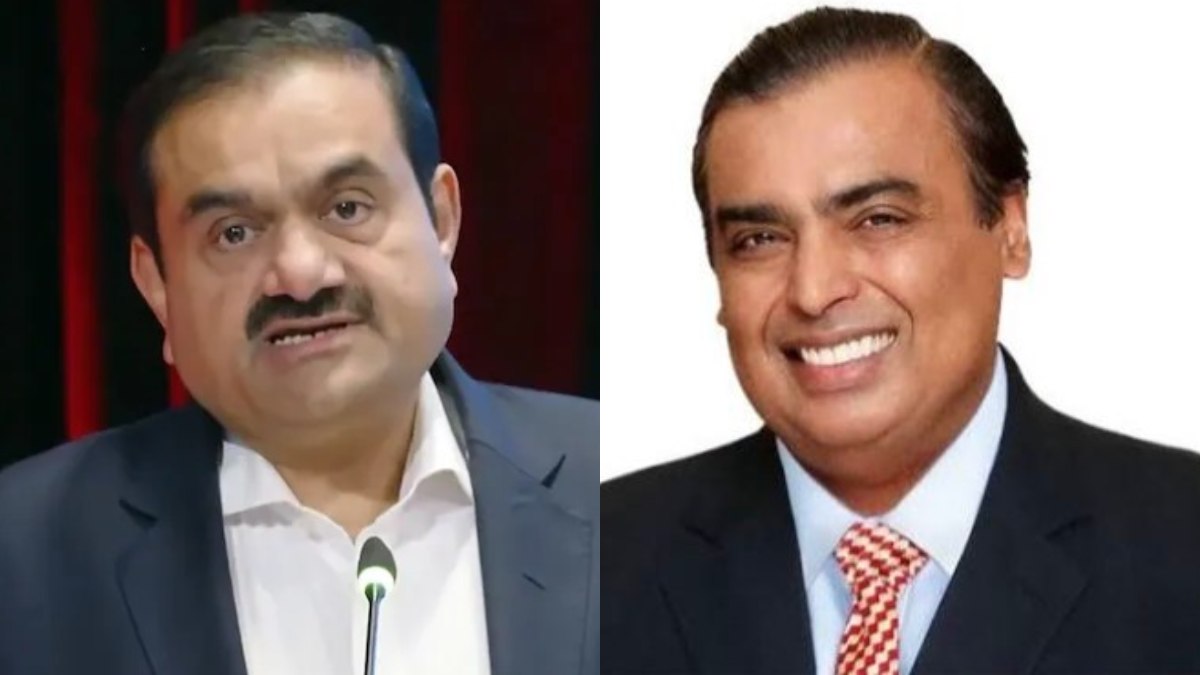
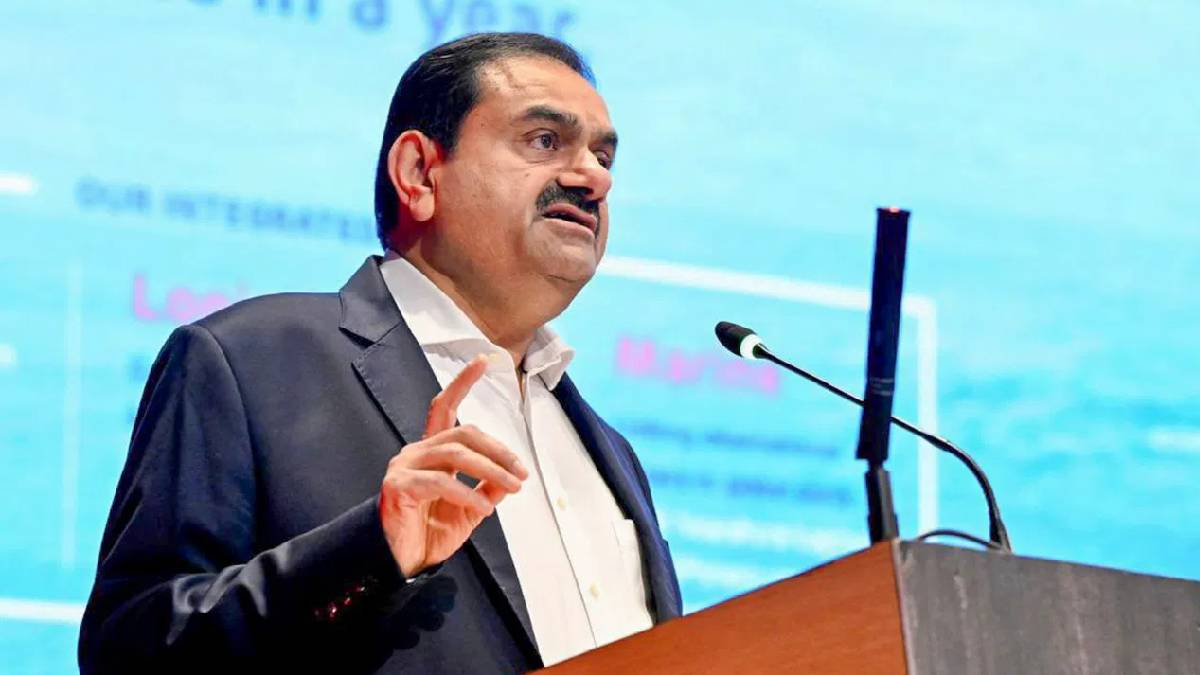
Adani Group Chairman Gautam Adani said he did not know about any connection between the Adani Group's planned investment in the United States and the US Department of Justice's decision to seek dismissal of criminal charges against him and a number of his associates. It is an affidavit in a federal court in Brooklyn, New York.
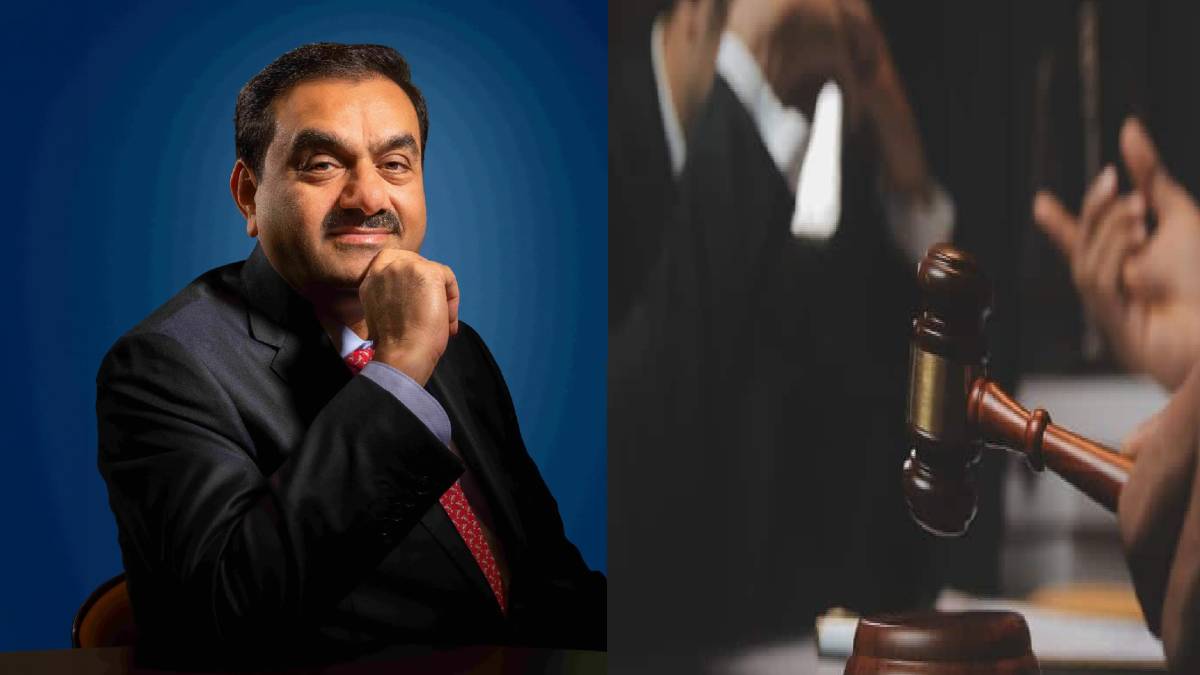
The affidavit was filed in response to an order from the U.S. District Court for the Eastern District of New York, which ordered Adani to answer under oath whether he was aware of any promise, agreement, or exchange that could have influenced the DOJ's decision to seek dismissal of the indictment.
Indian billionaire Gautam Adani said he’s not aware of his pledge to invest in the US playing any role in the US moving to drop criminal charges against him. https://t.co/oJvtNfmo66
— Bloomberg (@business) July 16, 2026
In his filing, Adani said that, to the best of his knowledge, the Adani Group's plans to invest in the United States had no role in the DOJ's decision. He also said he didn't know of any agreement, whether that be that any individual or organization exchanged anything in exchange for the dismissal of the criminal case.

The controversy comes from the Adani Group’s previously announced plan to invest $10 billion in the United States, which would entail the creation of about 15,000 jobs. The investment commitment was much talked about in the past as reports said it was discussed in meetings between Adani's lawyers and US agencies in the course of the criminal case.
But the US Department of Justice has also denied that the proposed investment influenced its legal decision. Court documents from the department state that the recommendation to dismiss the case was based on its assessment of the legal merits and prosecutorial considerations, rather than any economic commitments made by the Adani Group.
The criminal case started in late 2024, when U.S. prosecutors alleged that Adani and others in his family were involved in an alleged bribery and securities fraud scheme related to Indian solar energy projects. Adani's group has always denied the allegations and said it would contest the accusations through legal channels.
The DOJ had made it clear to the court earlier this year that it would no longer pursue the criminal case. The presiding judge said he would seek further clarification about whether any external promises or agreements influenced the government’s decision. Adani’s affidavit was submitted as part of that judicial review process.
Legal experts note that affidavits made under oath are very powerful, and knowingly making false statements could lead to further legal jeopardy. By filing the affidavit, Adani has formally stated his position that no quid pro quo arrangement existed to his knowledge.
The case has attracted global attention because of the Adani Group’s worldwide business interests in ports, airports and renewable energy, power transmission, logistics, mining and infrastructure. Investors, regulators, and financial markets have closely watched developments in the US proceedings.
Although the DOJ has pursued dismissal of the criminal charges, the court must still complete the legal process before the matter is formally concluded. The affidavit is another important step in those proceedings and underscores Adani's continued denial of any link between the group's US investment plans and the government's legal decision.