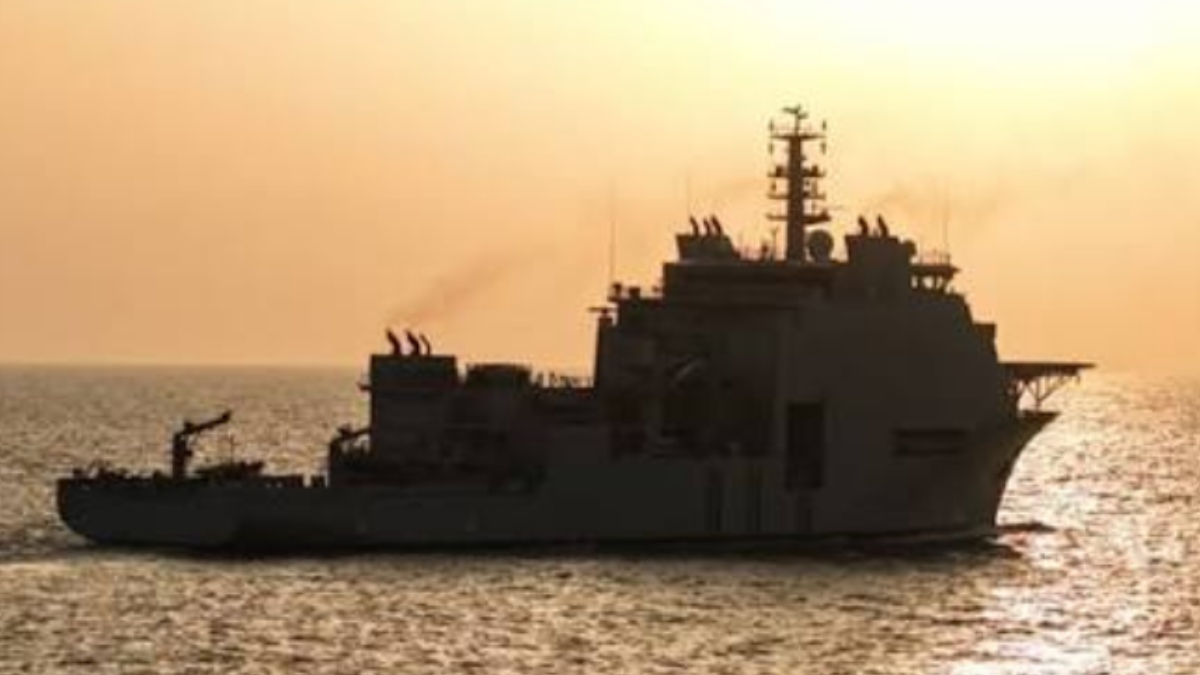
Russia has approached Indian refiners for gasoline supplies after a series of Ukrainian drone strikes severely disrupted its domestic refining capacity, in an unusual shift in the energy relationship between the two countries. Reuters reports that India has shipped at least one cargo of gasoline to Russia and more supplies are likely if the fuel shortage worsens.
The development is important because India has historically been one of the biggest buyers of Russian crude oil since Western sanctions were imposed after the Ukraine war. Now Moscow is seeking refined fuel from India as it struggles to restore damaged refineries.
Russian Oil Giants Approach Indian Refiners
By the Reuters report, Russian energy companies, including Rosneft, Gazprom Neft and Lukoil, have approached private and state-owned Indian refiners to supply more gasoline.
But the sources at three Indian state-run refiners said that they currently have **limited surplus gasoline available for export** and therefore struggle to meet the demand of Russia's growing demand.
If commercial agreements are reached, the fuel supplies are expected to be routed through international commodity traders rather than through direct government-to-government transactions.
So far the Indian Oil Corporation (IOC), Bharat Petroleum Corporation Limited (BPCL), Hindustan Petroleum Corporation Limited (HPCL) and Russian oil companies and Russia's Energy Ministry have not officially confirmed the Reuters report.
Ukrainian Drone Strikes Hit Russian Refineries
The fuel shortage comes after a sustained campaign of Ukrainian drone attacks on Russian oil infrastructure.
According to the sources quoted by Reuters, “nearly 40% of Russia's refining capacity may remain offline for at least two months if no further attacks take place during that period.”
The disruption has produced one of Russia’s most acute fuel supply challenges in recent years, and the country is now exploring imports despite being one of the world’s largest oil producers.
Industry sources also added that any additional gasoline exported from India could reach Russia through ``ship-to-ship transfers'' which is commonly used in global energy trade to facilitate deliveries.
If more refinery damage occurs, officials say Russia may also need diesel imports in the future. At the moment, however, domestic diesel inventories are considered to be sufficient.
Nayara Energy Denies Exporting Fuel to Russia
The latest report comes weeks after Reuters reported that traders had sold gasoline produced by the Indian refiner Nayara Energy, partly owned by Russia's Rosneft, to Russia.
Nayara Energy denied those claims, however.
The company said, in a statement to Reuters, that it “has neither sold nor has any plans to sell fuel to Russian companies.”
The company said that it remains focused on meeting India’s domestic fuel consumption through our network of more than 7,000 retail fuel stations and bulk supply channels.
Government Maintains No Direct Fuel Sales
Earlier this month, the Union Petroleum and Natural Gas Minister Hardeep Singh Puri explained that Indian companies were not directly exporting fuel to Russia.
However, he acknowledged that Russian buyers could still obtain 'Indian-origin petroleum products through international traders', thus indirect transactions are possible under existing commercial arrangements.
If confirmed, the gasoline exports are a rare reversal in the India-Russia energy trade, in which India has largely been an importer of Russian crude rather than a supplier of refined fuels.
And as geopolitical tensions continue to disrupt global energy markets, the situation demonstrates the impact of Ukraine’s conflict with Russia and the West on oil and fuel trade flows, even between long-standing energy partners.