The tragic death of 14 young women from Odisha’s Juang tribal community in an ammonia gas leak in the Tiruvallur region of Tamil Nadu has brought to light the hidden struggles of India’s Particularly Vulnerable Tribal Groups (PVTGs).
Industrial safety has been raised but so has the economic strain in tribal women’s lives that make them migrate hundreds of kilometres to find employment.
The victims were members of the Juang tribe, one of Odisha’s oldest and most marginalized tribal communities.
Most of the women were from Keonjhar district, where employment opportunities are scarce despite various government welfare schemes.
In the face of poverty, many young women leave their villages each year to work in factories across southern India through labour contractors.

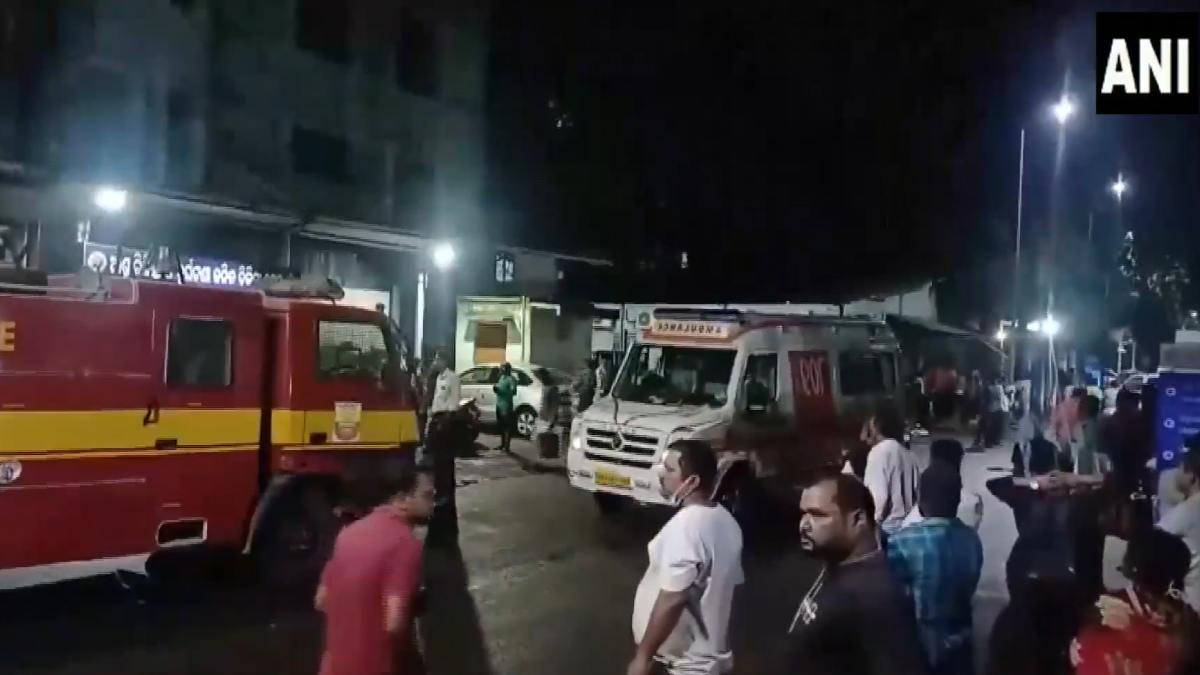
According to officials, the women were working at an industrial unit in Tiruvallur when an ammonia gas leak occurred and saw at least a few people die.
There were also other workers injured and treated for the same.
But the tragedy has once again exposed the dangers to migrant workers especially the most vulnerable tribal ones.
Many migrants work long hours in dangerous jobs without knowing what workplace safety standards are.
Labour rights activists have long claimed that poorly monitored working conditions leave workers vulnerable to danger.
The Juang community is classified as a Particularly Vulnerable Tribal Group (PVTG), which is reserved for tribal communities with extreme socio-economic disadvantage.
In addition to the poor literacy or lack of education, lack of access to healthcare and infrastructure, and lack of sustainable livelihood opportunities make Juang families susceptible to migration. Migration is now an economic necessity and not an option.
Young tribal women’s migration has increased substantially in Tamil Nadu, Karnataka and Telangana in the last decade according to experts.
But these jobs provide income while workers find language barriers, isolation and limited legal protection.
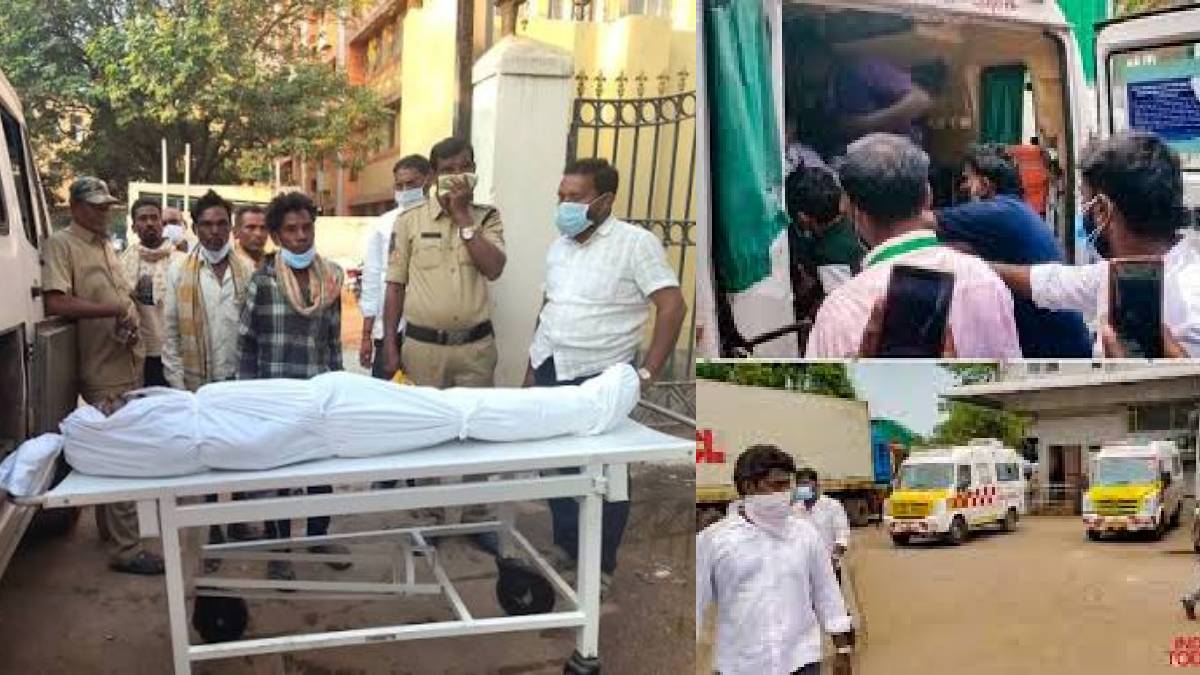
As a result, the Odisha government worked closely with the Tamil Nadu government to assist families of the victims and return the deceased.
Compensation announcements and official inquiries are going on, and labour departments might review recruitment practices and workplace safety measures.
The tragedy has fuelled renewed calls for stronger labour laws, stronger industrial safety inspections and better support systems for migrant workers.
Social activists have also called on governments to create sustainable employment opportunities in tribal areas so that young people are not forced to leave their homes for risky jobs.
The deaths of these 14 Juang women are a painful reminder that behind India’s industrial boom are thousands of migrant workers looking for a better future.
What they have collectively lost is an example of how we should improve workplace safety, strengthen labour protections so as to alleviate poverty and inequality that have long been present in tribal communities across the country.