The Barapullah Phase-3 elevated corridor is close to being completed, so it should relieve the thousands of daily commuters traveling between East Delhi’s Mayur Vihar and AIIMS as well as other parts of South Delhi.
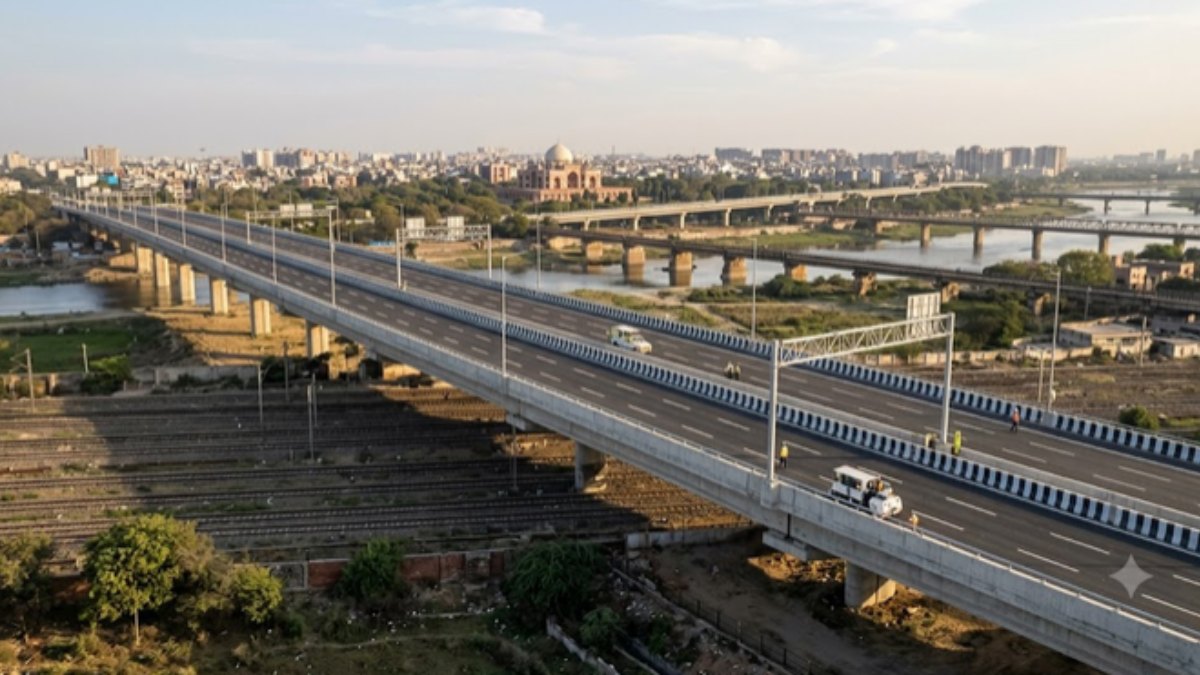
The 3.5-kilometre elevated corridor has been under construction for nearly nine years and is due to be opened this month, a major step in the capital's urban development. The Delhi Public Works Department (PWD) has written to the Chief Minister Rekha Gupta to set a date for the official inauguration, so the project is on track.
The Barapullah corridor is one of Delhi’s most significant road infrastructure projects as it could improve east-west connectivity and reduce travel time along some of the city’s busiest roads. Once operational, motorists travelling from Mayur Vihar to AIIMS, South Extension, Lajpat Nagar, Sarai Kale Khan, and other local areas will have a fairly quiet journey with little to no signal to contend with, which is expected to minimize congestion and increase the efficiency of commuting during peak hours.
The Phase-3 extension has been delayed due to engineering issues, land acquisition, utility shifting, contractual issues, and coordination between different government agencies over the years. Though supposed to be completed several years ago, the project has been repeatedly revised to a different construction date. The elevated corridor is now in its final stages, and residents and commuters have waited nearly a decade for it to open.
The traffic congestion in Delhi is still one of the biggest urban problems, and thousands of vehicles are driving through the roads connecting East and South Delhi every day. The existing roads always have heavy traffic in the morning and evening hours, and therefore more fuel consumption and higher emissions come with it. The Barapullah Phase-3 corridor will reduce the pressure on these roads by providing an uninterrupted elevated route for motorists.
Urban planning experts believe that signal-free corridors play a very important role in improving traffic flow by curbing the flow of traffic in the city by avoiding stop-and-go driving conditions. Smoother traffic movement not only reduces commute time but also can reduce fuel consumption and improve air quality by minimizing vehicle idling at traffic intersections.
The project will also enhance Delhi’s overall transportation network by connecting residential, commercial, educational, and healthcare hubs. AIIMS, one of India’s leading medical institutions, sees thousands of patients and visitors every day from across the National Capital Region. Better road connections will benefit patients, healthcare workers, emergency services, and visitors in the vicinity.
The corridor will be far more convenient for Mayur Vihar and other eastern communities so that commuters can drive on the same road every day to the offices, educational institutions, and business districts. Businesses along the improved connectivity corridor can also benefit from better accessibility and a smoother process for logistics.
The Delhi government has always emphasized infrastructure modernization as a key component of improving urban mobility. Flyovers, underpasses, elevated corridors, metro expansion, and intelligent traffic management systems are among the projects to address the growing transportation needs of the city with more vehicles and more people.
For infrastructure experts, new road projects can greatly improve traffic movement, but the long-term success of these road projects is of course also dependent on the integration of urban planning, efficient public transport, and sustainable mobility solutions. Continued investment in road maintenance, traffic management, and multimodal connectivity remains essential in order to meet Delhi's future transportation needs.
With the Delhi PWD still waiting for a formal inauguration date, commuters are optimistic that the long wait is finally coming to an end. When inaugurated, the Barapullah Phase-3 elevated corridor is expected to be an important addition to Delhi’s road network, offering faster, more reliable road links between East and South Delhi.
After nine years of construction and delays, the opening of this much-awaited project represents more than just a new road; it is a new transport channel and an increase in the connectivity of people and decreased travel stress for thousands of people who travel to the capital every day. If operational later this month, the corridor will be a boon to Delhi’s transportation system and will improve the commute for many people in the city.