The Indian government and BJP are taking steps to promote E20 fuel with a joint social media campaign and to build confidence in its use as a cleaner fuel which is less dependent on imported crude oil and a safe transportation system. The aim is to promote ethanol-blended petrol, which can make the government’s biofuel plans attractive to customers (e.g., in vehicle-owned vehicles).
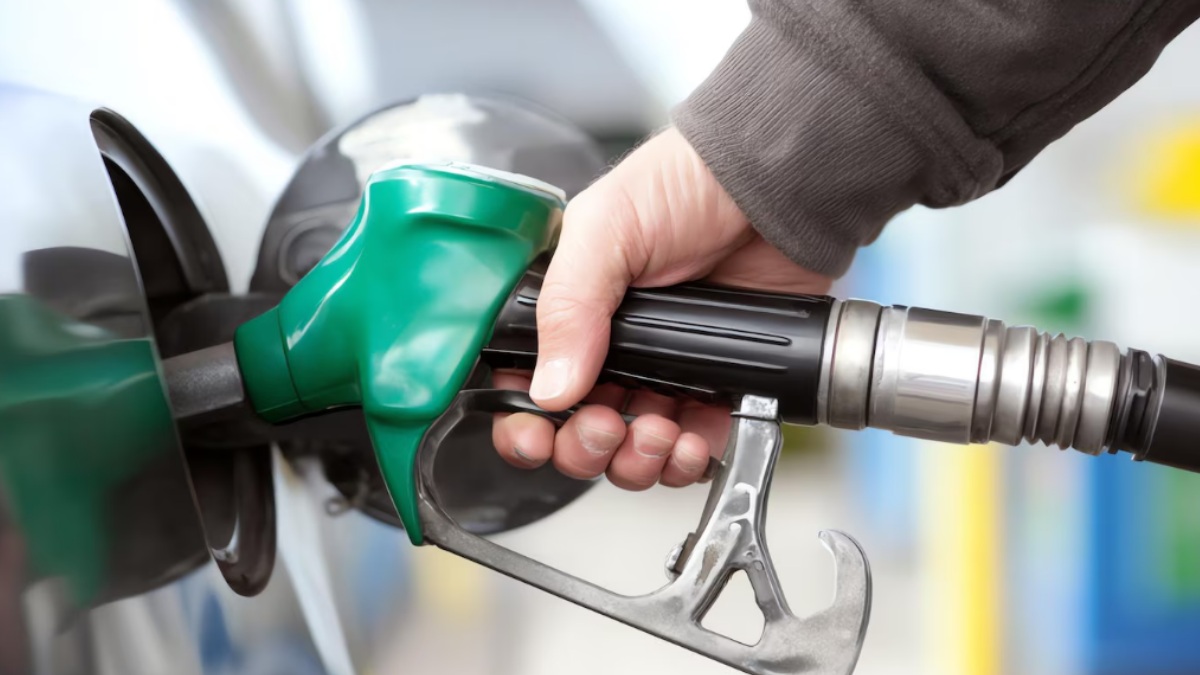
E20 is a blend of 20% ethanol and 80% petrol. It is one of the major steps we are taking in our long term to reduce the dependency of India on imported petroleum and to create more opportunities for farmers through demand for crops used in ethanol production (e.g. sugarcane, maize and other agricultural feedstocks).
The latest campaign is also relying heavily on social media to reach millions of users with informative content, explanatory videos, infographics, and awareness messages. Party leaders, public representatives, government departments and supporters have been urged to actively participate and share information on how E20 fuels are sustainable and are contributing to economic development via the education program.
The campaign resonates with India’s broader clean energy goals to provide more renewable energy, develop electric vehicles, promote green hydrogen and promote biofuels. Ethanol blending has emerged as one of the key pillars of this transition because it allows existing internal combustion engine vehicles to save fossil fuel without needing immediate changes to the country’s transportation infrastructure.
Government officials have repeatedly highlighted the benefits of E20 fuel. Increasing ethanol blending can reduce greenhouse gas emissions from vehicles, improve air quality by reducing some pollutants and reduce India's annual import of crude oil in the near future. As India imports most of its petroleum needs, reducing import dependency is a top priority of national security and economic development.
Efficiency in ethanol production has broad implications for the agricultural sector. With increasing ethanol production, farmers and sugar mills can increase the demand for agricultural products in the market. In India, this would also help to improve rural income and make our agricultural economy more resilient and help to realize India’s goal of building the country’s agricultural economy more robust. Industry experts say as long as biofuel production can create value-added business value added to the agricultural supply chain and create jobs in ethanol production, transportation, and related fields in the ethanol industry.
The social media campaign will address common questions regarding E20 compatibility, fuel availability and vehicle performance. Automobile manufacturers have begun to create E20-compatible vehicles in line with government roadmaps and fuel retailers have expanded the availability of ethanol-blended petrol across the country. Officials do stress to consumers to consult their vehicle manufacturers on compatibility before consuming higher ethanol blends in older vehicles.
Environmental experts largely regard ethanol blending as part of a broader plan to reduce transport sector emissions. While electric vehicles, hydrogen technology and alternative fuels are developing rapidly, ethanol blending is a simple way to curb fossil fuel use by old vehicles presently in operation on Indian roads.
A lot of this has also been an issue of politics as the campaign is a great awareness campaign that I am convinced will get public into the energy transition of India. But, in the meantime, it has been argued for continued public education regarding vehicle compatibility, fuel efficiency, infrastructure readiness, and so on so that consumers will have information to make a decision. Industry players too have pointed out that the way to do that is to have transparent communication and good distribution networks to make it easy for people to accept the change in fuel for themselves.
E20: Trust the Facts! 🚗
— BJP ANDHRA PRADESH (@BJP4Andhra) July 28, 2026
Every change brings questions—but the answers are always found in facts.
India achieved its 20% Ethanol Blending (E20) target ahead of schedule.
✅ Since April 2023, all new vehicles have been made E20-compatible
✅ Saved over ₹1 lakh crore in foreign… pic.twitter.com/Hb63r4kagP
India has steadily increased its ethanol blending percentage as a result of policy support from the government, investment in ethanol production capacity as well as by oil marketing companies and biofuel producers. The long-term vision is to keep up the growth in oil production and sustainable energy independence and economic growth.
As awareness of E20 fuels grows, policymakers hope to help to broaden acceptance of the fuel and help to achieve the clean energy goals of the country. Whether that is via lower oil imports, lower emissions or more support for manufacturing and local agriculture, E20 will be an important part of India’s energy strategy. The social media campaign will surely inform people about the benefits, practical and long-term agenda for one of the country’s most ambitious biofuel programmes.