The Central Government has placed medicines with 12% or more alcohol in the more restrictive Schedule H1 category, in line with that of 11% or more alcohol for those with the most serious medical needs.
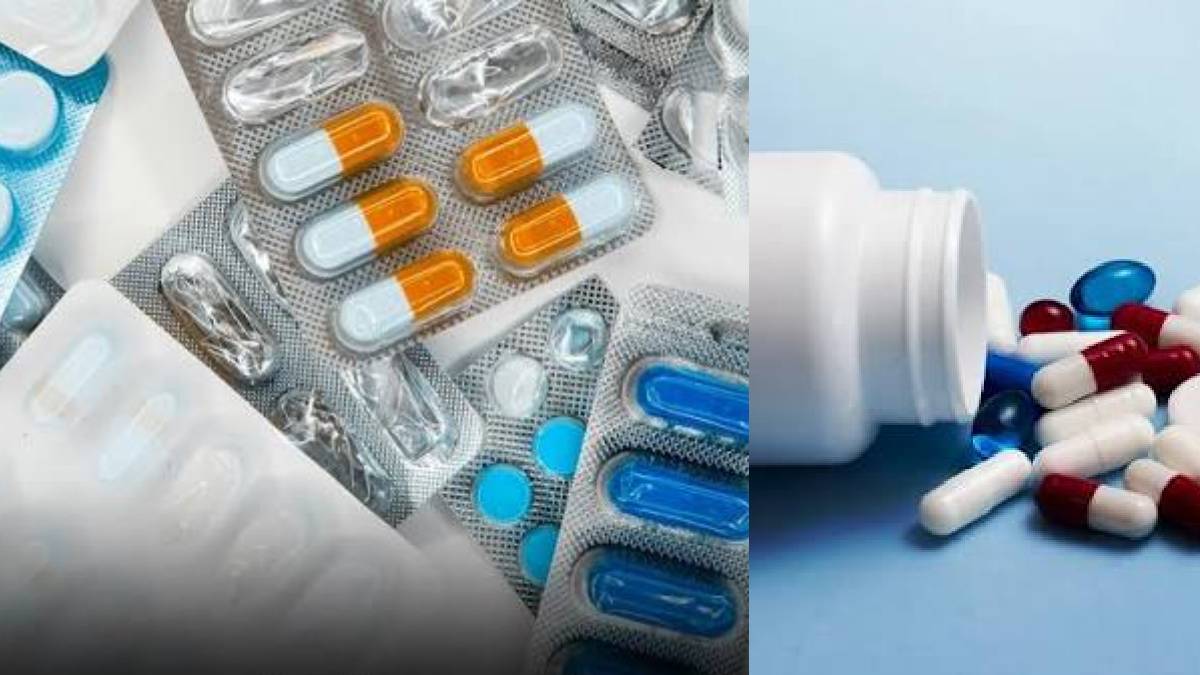
This would reduce the misuse and over-the-counter sale of medicines with 12% or more alcohol and increase the safety of such medications, and also to ensure the safety of the public health system.
Under the new rules, medicines falling under this category can now only be sold on the prescription of a registered medical practitioner. Pharmacies will also have to collect details of sales to make it easier for authorities to track and control abuse.
Schedule H1 is a category under the Drugs and Cosmetics Rules that includes medicines that are likely to be abused and require close medical supervision. Prior to this amendment, the schedule was primarily antibiotics and certain habit-forming medicines. In new medicines, high-alcohol content medicines will be part of the list.
Many cough syrups, tonics, and medicinal preparations use alcohol as a solvent and/or preservative. While such products are safe to take when used according to the prescription, they have been misused for recreational purposes in the past for drinking alcohol.
Health experts have long worried about the ease with which such drugs are available without prescriptions.
The government’s decision will reduce substance abuse among teenagers and young people who are easily susceptible to these products because they are readily available. By putting them on Schedule H1, authorities hope to prevent such indiscriminate sales and better hold pharmacies accountable.
For consumers, the biggest change is that they will no longer be able to purchase medicines containing 12% or more alcohol without a valid prescription. Pharmacists must verify the prescription before dispensing these medicines and keep a register recording details such as the patient’s name, prescribing doctor’s information, and quantity sold.
These records are to be kept for inspection by drug control authorities.Medical professionals believe that the measure strikes a balance between patient care and avoiding misuse.
The medicine that the patient with legitimate medical conditions can take after consulting with their doctors will continue to be able to take, and patients with legitimate medical conditions can continue to use the medicines, so tighter controls will prevent unauthorized consumption.
But the amendment also puts the responsibility for pharmacies and drug retailers more on pharmacies and drug retailers. Violation of Schedule H1 regulations in relation to drugs and cosmetics can result in enforcement of the Drugs and Cosmetics Act of 2002, and there may be penalties for suspension or cancellation of licences.
Dr. David B. Schatz of New York University’s Department of Medicine and Health Services says that the measure is an extension of the wider public health agenda which calls for more careful monitoring of alcohol-based medicines.
And the government’s decision is part of a larger strategy to control medicines that are potentially misused as well as ensure medicines that are in fact necessary to people who need them.
Awareness of the new rules by consumers, pharmacists, and healthcare professionals will be crucial in the implementation.