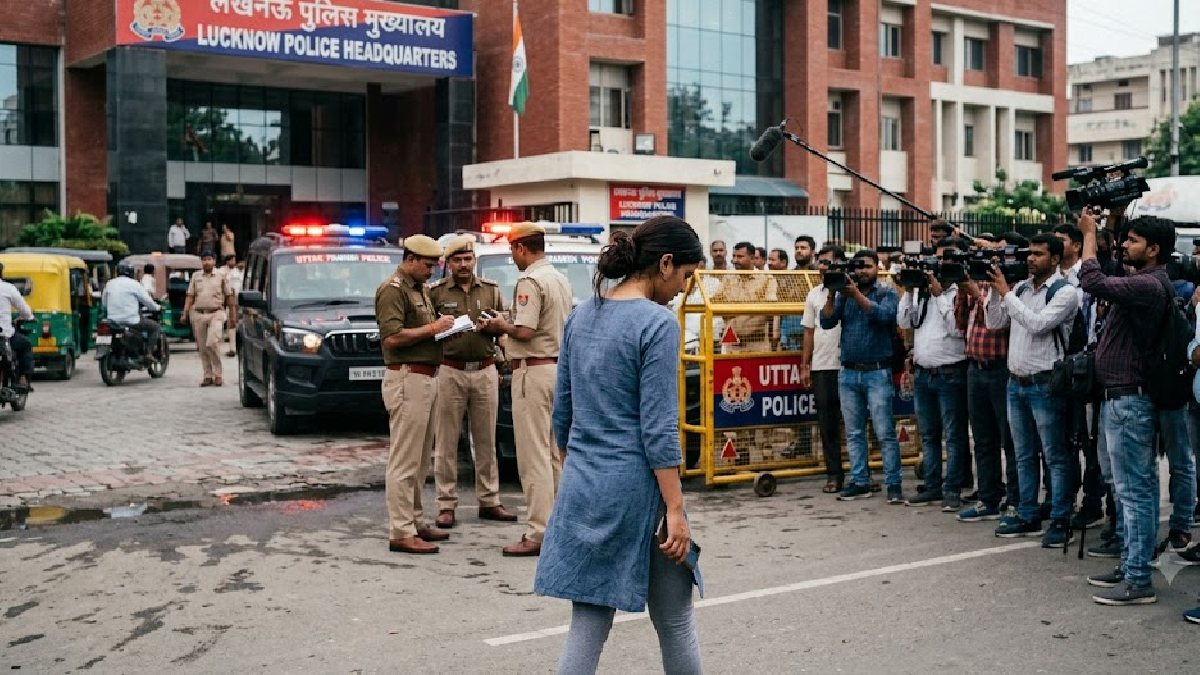
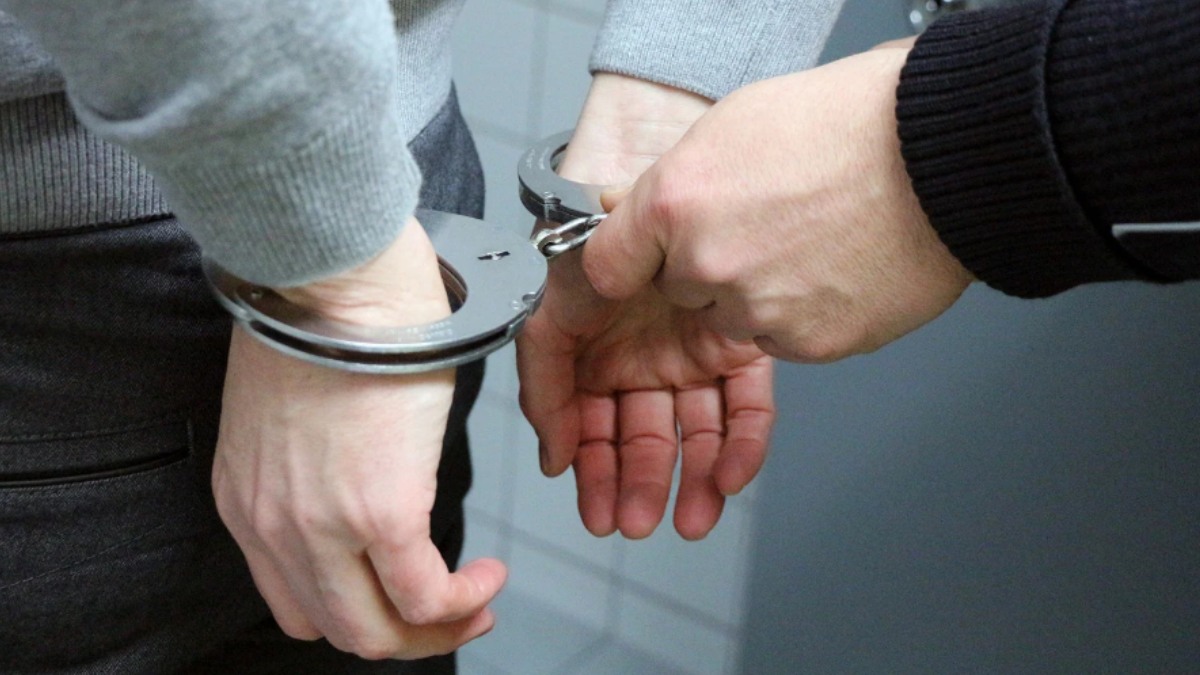
The Greater Chennai Police have intensified their crackdown on the illegal sale and distribution of prescription medicines by arresting three people in two separate instances and seizing 14,060 painkiller tablets allegedly intended for unlawful sale. This is a part of the city’s ongoing campaign to prevent the illegal trade in pharmaceutical drugs and prevent the misuse of prescription medications, which is becoming a growing concern for law enforcement and public health authorities.

Police officials say that the accused were found to be in possession of a large amount of painkiller tablets without authorisation or documentation. Armed with intelligence inputs and surveillance, police conducted separate operations to arrest and take the tablets, the police said. Investigators believe the drugs were being stored and distributed through illegal channels (not from authorised pharmacies or licensed medical facilities).
The recovered tablets are being sent for further examination, investigators will examine their source, distribution network and intended buyers, and identify whether the accused were acting alone or were part of a larger interstate network that supplied drugs illegally. They are also looking for any others who might have bought, stored or transported the drugs or sold them.
The illegal sale of prescription drugs is becoming more and more prevalent across India. Painkiller tablets and those with medical prescriptions are controlled because they are hazardous to health. Such medicines are to be used only under the supervision of qualified healthcare professionals who decide the appropriate dosage and duration of treatment based on the patient’s medical situation.
Health professionals warn that the misuse of prescription painkillers can have serious health problems including dependence, accidental overdose, adverse drug reactions, and other medical emergencies. A lack of legitimate distribution at distribution points (unauthorised sources) also poses the risk of counterfeit or improperly stored drugs reaching consumers and can jeopardise patient well-being.
The Greater Chennai Police have been conducting regular enforcement against illegal drug trafficking, including narcotic substances, psychotropic medicines, and prescription drugs. Drug control, forensic labs, and other enforcement agencies often work together to ensure that pharmaceutical laws are being followed.
Pharmacies, distributors, and wholesalers are required to comply with licensing requirements and keep accurate records of prescription medicines. The legal framework governing pharmaceutical sales aims to ensure that medicines are available to genuine patients and not diverted to illegal markets.
Investigators are still investigating whether the seized tablets were made by authorised pharmaceutical firms and whether or not counterfeit products were involved in the drug transaction. They are also looking at procurement records, transport routes, and devices that were seized and used in the operation to determine if there is any illegal activity.
Law enforcement in this area is at the heart of the success of intelligence-based policing as it relates to organised pharmaceutical crime. By watching the market for suspicious transactions and acting on credible information, law enforcement agencies are trying to disrupt illegal supply chains before drugs head to the black market. When more links are found in the investigation, they will probably arrest more people, officials said.
Public health authorities have constantly advised people to buy medicines only at licensed pharmacies and to take prescription drugs strictly under medical supervision. In order to protect patients from unsafe or counterfeit products, they recommend that the packaging, expiry dates, and authenticity of medicines should be checked by consumers and that unauthorised people or informal traders do not sell them to them.
Law enforcement agencies also advise the public to report suspicious pharmaceutical sales or illegal drug distribution to the police or drug control agencies. Public cooperation is an important part of the management of prescription medicines and maintaining the health system’s integrity.
The Greater Chennai Police have reaffirmed their commitment to continuing enforcement operations against illegal drug networks operating within the city. Regular inspections and data collection will be done, and collaboration with regulatory authorities will be the way to tackle pharmaceutical offences and public health hazards.
With the investigation going on, the seized medicines will therefore be examined, their supply chain will be traced, and any wider criminal network involved in the illegal trade will be identified. Appropriate legal action will be taken based on the evidence gathered during the investigation and the provisions of applicable laws governing the sale and distribution of prescription medicines.
This latest incident serves to underscore why such regulatory oversight is so important in the pharmaceutical sector. Properly dispensing prescription medicines only through authorised channels will keep patient safety as well as public trust in the health system, and prevent abuse of potentially harmful drugs.