Post-pandemic, health is as a priority as it ever was and as urgent as ever. Guillain-Barré Syndrome (GBS) has been the recent news across the country. And while the name would seem terrifying, experts say panic shouldn’t reign because awareness and urgent medical assistance are all the help to recovery.
The Karnataka State Government has implemented the expensive Intravenous Immunoglobulin (IVIG) therapy under the Ayushman Bharat-Arogya Karnataka scheme to assist the citizens, who are in the country, and made the life saving drugs available to everyone.
What is Guillain-Barre Syndrome (GBS)?
Dr Shivananda Pai, a neurologist from KMC Hospital, said GBS isn’t a new condition. It has been reported globally and in India for decades. GBS is a rare but very serious condition in which the immune system mistakenly attacks the peripheral nervous system.
How does it occur?
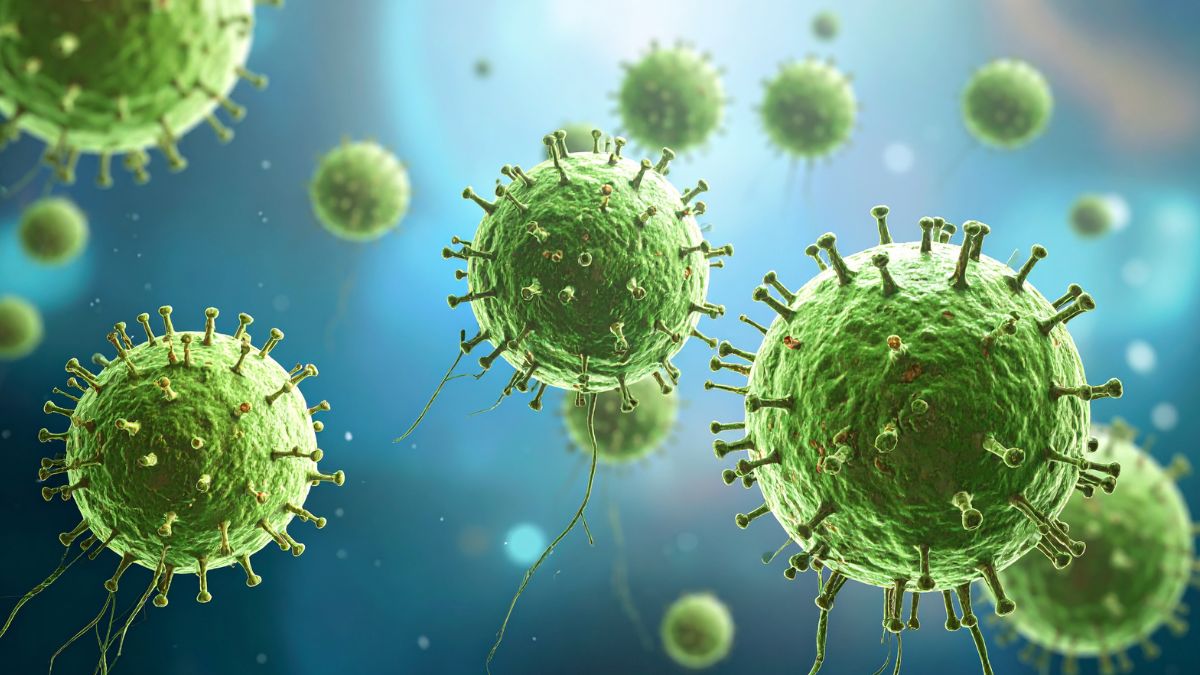
The syndrome is often the result of an infection, usually by the Campylobacter jejuni bacteria, which are present in the body via contaminated food or water. The immune system attacks the bacteria, but it inadvertently damages the nerves. Symptoms will occur 1 to 3 weeks after the first infection. Recognizing the Symptoms. The condition generally begins gently but can advance quickly. Key symptoms include:
- Early Signs: Weakness in the muscles and “pins and needles” (a jangling sensation in the hands and feet).
- Progression: Weakness can spread to the arms and upper body. Severe cases. It can become paralyzing if not controlled, which could lead to life-threatening breathing difficulty, if left untreated.
- Other Triggers: GBS can also develop after a viral infection such as that of Dengue or Chikungunya. Associated Symptoms: Fever, vomiting, abdominal pain and diarrhea.
Note: Cases are statistically more common between December–March and July–September.
Diagnosis and Treatment
The early detection is essential for comprehensive recovery. Doctors usually test for GBS using nerve conduction tests and Cerebrospinal Fluid (CSF) analysis.
- Success Rate: More than 99 percent of cases are curable if treatment starts early.
- The Shadow of Delay: Delaying medical help could result in respiratory failure, necessitating support for an emergency ventilator.
- Recovery: It takes patients a different amount of time. But in this case, clinical care quickly if you get medical attention now helps for a much better recovery rate.
- Prevention: Hygiene is always good for your safety
Though the precise reason the immune system turns on the body isn’t always evident, GBS is not contagious.
Prevention attempts to avoid the bacterial triggers:
- Food Safety: Wash fruits and vegetables thoroughly before they are eaten. Cook Well: Make sure the meat is cooked properly. Clean Water: Always drink boiled or purified water.
- Kitchen Hygiene: Maintain sanitary and clean kitchen areas for food.
Government Endorsement: Cheap Treatment
The treatment for GBS particularly IVIG therapy is extremely expensive. To relieve this pressure, the Suvarna Arogya Suraksha Trust (SAST) has released a circular saying:
- Financial assistance: Patients can receive treatment worth ₹2 Lakh.
- Subsidized medication: The government has set the medication cost at ₹2,000 per gram.
- Transparency: In order to eliminate misuse, hospitals are required to upload photos of the medicine vials, batch numbers and patient details on a government portal for verification.