
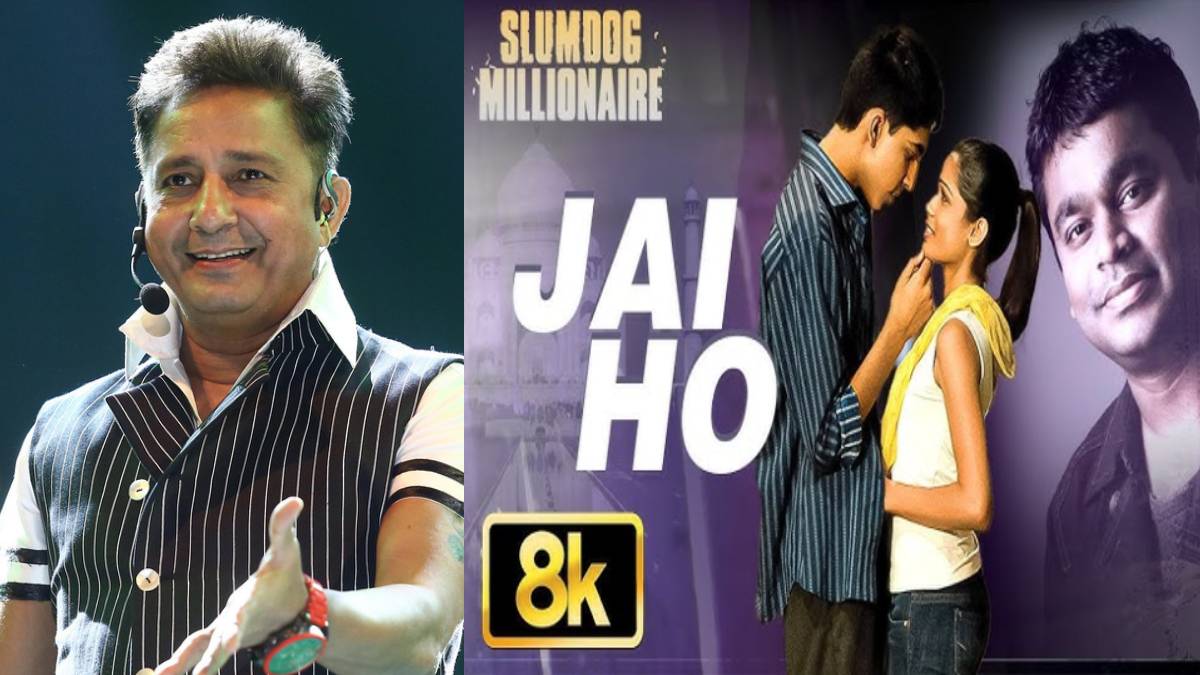
One of the most acclaimed Indian composers and Oscar-winning artists, AR Rahman is known to fans throughout his career for his soulful music and tender sentiments. He was making comments about the state of the film music sector, his own life work, and the importance of identity in creative work. The comments have sparked broad and controversial debates in the arts, politics, and the future of Indian cinema.
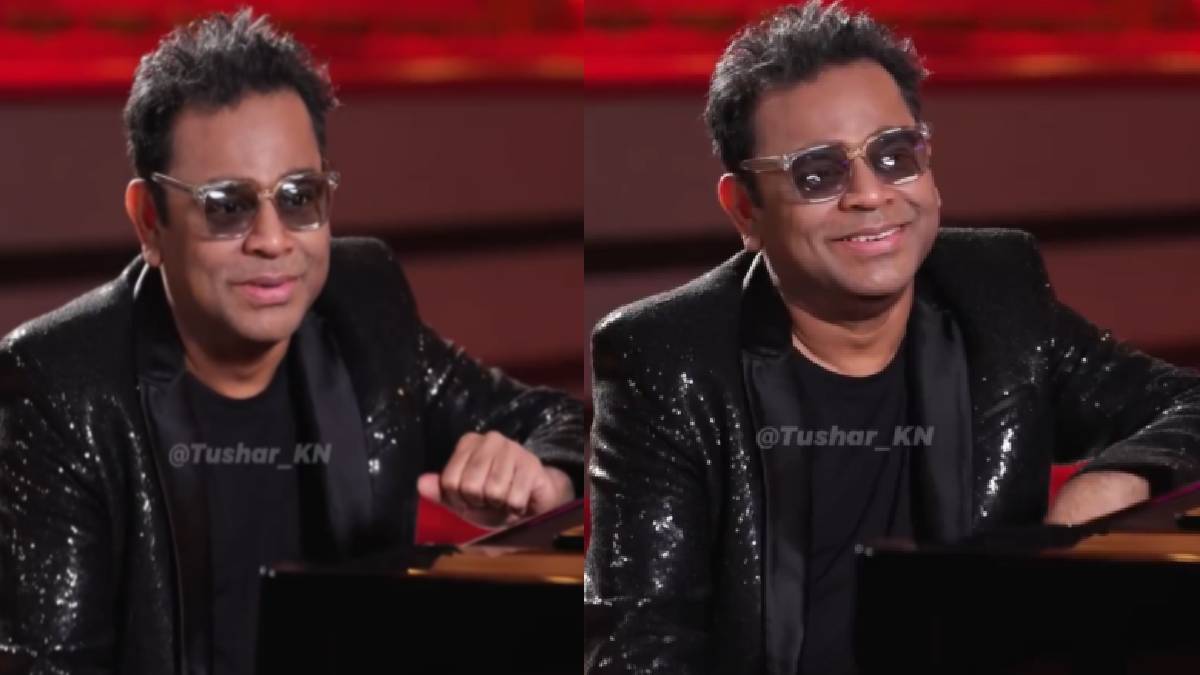
Rahman reminded others of Urdu's role in the development of Hindi film music in the 1960s and 70s. He called Urdu the “mother” of Hindi film songs at the time. The language added elegance, poetry, and depth to lyrics, and songs were timeless and memorable. The great lyricists Sahir Ludhianvi, Kaifi Azmi, Majrooh Sultanpuri, and other legendary poets gave Hindi cinema its golden age. Rahman’s insight is that we need to recognize the cultural heritage of his industry and appreciate the richness of their culture which made Indian music.
Urdu was the mother of Hindi film music in 1960s and 1970s
For past 8 years, after a shift in power and possibly due to communal factors, I have stopped getting work
Chhaava is a divisive film, it cashed on divisiveness
Movies like Chhaava use symbolism against one… pic.twitter.com/OXgyRJ9fPO— Tushar ॐ♫₹ (@Tushar_KN) January 16, 2026ALSO READ

He also addressed his personal struggles publicly in recent times. After a change in political power, Rahman said in a statement of the past eight years, he stopped getting work due to communal reasons. It reveals his fear of discrimination and exclusion from the industry altogether. For an artist of his stature, such as himself who has greatly influenced Indian and international music genres, such experiences vividly expose how tough it is for creative professionals to struggle against a lack of identity. Most of us have heard his words and have taken them personally with an affirmation that art transcends politics and religion.
Rahman spoke in his view of the movie Chhaava and how it was a divisive effort and made for money. His critics argue that there are films being made not out of artist-based or cultural reasons but for the sake of exploiting divisions and profit. AR Rahman stands for unity and harmony through music, his remarks underlining his idea that the movie does not separate people but brings them together. It's clear he wants the media to think about how their work is reflected in society and therefore will not let art just divide people.

Rahman wrote a piece on the Ramayana. "I am a Muslim composing for Ramayana," Rahman says. That shows what kind of person he is, not to mention my beliefs. Music for Rahman is universal-- creativity is not confined to faith. Inclusion also represents inclusivity, he says. And he believes that when he is involved with works on Hindu mythology, he respects India's varied tradition and people’s diversity. And it illustrates how art helps bridge communities by providing understanding and unity.
Rahman’s comments aren’t only about his life in his own words; they raise broader questions about the place of language, identity, and politics in art. His reminder of Urdu’s influence on Hindi film music is a message to care and maintain the cultural heritage. His own experiences of exclusion show that in the industry fairness and openness must be the norm. His criticism of divisive films forces the creator to critically examine what really matters. The book also shows the Ramayana's work as a vehicle for sharing culture.
The following two sections of this essay will be used as a summation of AR Rahman’s recent remarks in music, cinema, and society. Speaking to Urdu’s legacy as a figure who influenced and inspired and struggled against the odds, to the polarized films he made and the faith he expressed, Rahman told me art was not separate, but tied to our culture and identity. At the same time, he has demonstrated that genuine creativity transcends divisions to bring people together. From the start, his journey embodies the many challenges and opportunities of being an artist today. As fans and admirers, his voice continues to inspire change today, and his music will forever remain a reminder of what comes from unity!




Comments
Leave a Comment