Despite decades of laws and social campaigns that seek to eradicate child marriage and the exploitation of women, it is still prevalent in the villages of Gujarat’s Banaskantha district. Wadia village is a good example of how deeply rooted social and economic problems can continue to affect poor and vulnerable communities.
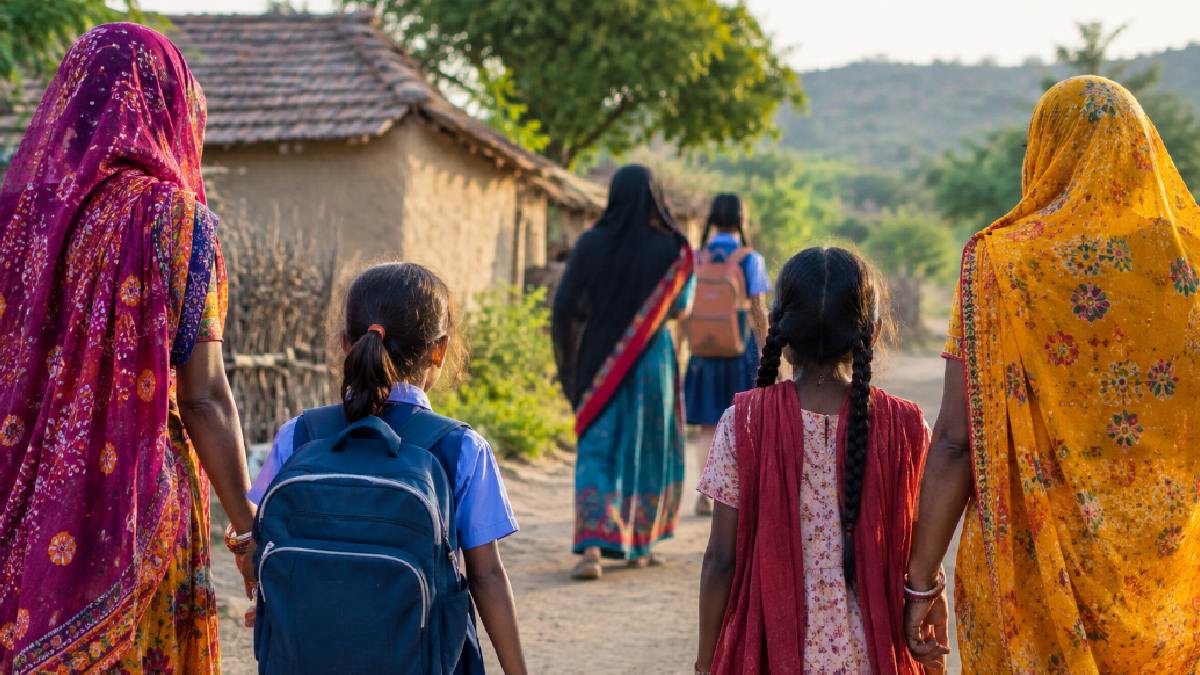
In the village, families have always faced a difficult reality in which women from the nomadic Sarania community have been thrust into commercial sexual exploitation across generations.
Wadia is situated 200 kilometres from Ahmedabad and is a small village of almost 750 people. It has for years carried a stigma of prostitution. But behind that label is a story of poverty, social exclusion, little earning opportunities, and a cycle that has affected generations of women.
In fact, the residents and social workers tell us that an unwritten community practice has made girls who are engaged or married not be pushed into the sex trade. This made families start arranging engagements for their daughters at a very young age, sometimes as young as seven years old.
That was the way families perceived it, a way to protect their daughters from what they felt was a kind of exploitation experienced by previous generations. But early engagement itself is very concerning as there’s little real consent from children in the matter of marriage.
The situation is rooted in the history and economic situation of the Sarania community. Historical accounts describe the community as a nomadic group in the army of Maharana Pratap. Men were involved in sharpening weapons while women were involved in entertaining soldiers. The situation changed after Independence, and the community found itself without permanent work. Poverty and lack of sustainable income made commercial sexual exploitation more and more a reality.
For many families, the practice had become normal over the generations. Women who were themselves exploited also had little option for supporting their children. Young girls therefore faced the danger of being drawn into the same cycle unless families could find another path for them.
One young woman from the community shared how the people in her community lived and the circumstances she grew up in. She recalled her father and uncle taking customers to her mother and grandmother until they could no longer work. Poverty had made it seem that the practice was part and parcel of everyday life, she said.
She went on to say that she was also unsure of her own parentage and that her family arranged her engagement at the age of 16 because they didn’t want her to have to go through the hardships her mother had to experience.
More than a decade of efforts to change this situation have been made. In 2012, the NGO Vicharata Samuday Samarthan Manch (VSSM), led by the founder Mittal Patel, organized a mass wedding initiative in the village. The aim was to offer women and girls an alternative to the cycle and to help families construct a different future.
Since then, more than 90 of the approximately 160 families in the village have shifted away from commercial sexual exploitation and started to find alternative livelihoods. To this end, they have revived agricultural land, constructed borewells, and opened access to small loans as a way to create sustainable income.
These interventions point to the importance of economic independence in overcoming deeply rooted social practices. At the end of the day, laws won’t be enough if families don’t have a realistic way to make a living. Community access to land, employment, education, financial assistance, and social support could help break these cycles of exploitation.
Wadia’s story also illustrates the complicated effects of poverty and social exclusion. Families’ attempts to protect their daughters from one harmful practice have sometimes led to another that violates children’s rights. So the long-term solution is protection from exploitation and access to education, jobs, and legal aid.
Wadia's transformation is still a work in progress, but the growing number of families seeking alternative livelihoods suggests change is possible. Now it is up to girls to grow up free from commercial sexual exploitation and forced early marriage or engagement while the people of Wadia are offered economic and social support to build secure futures.