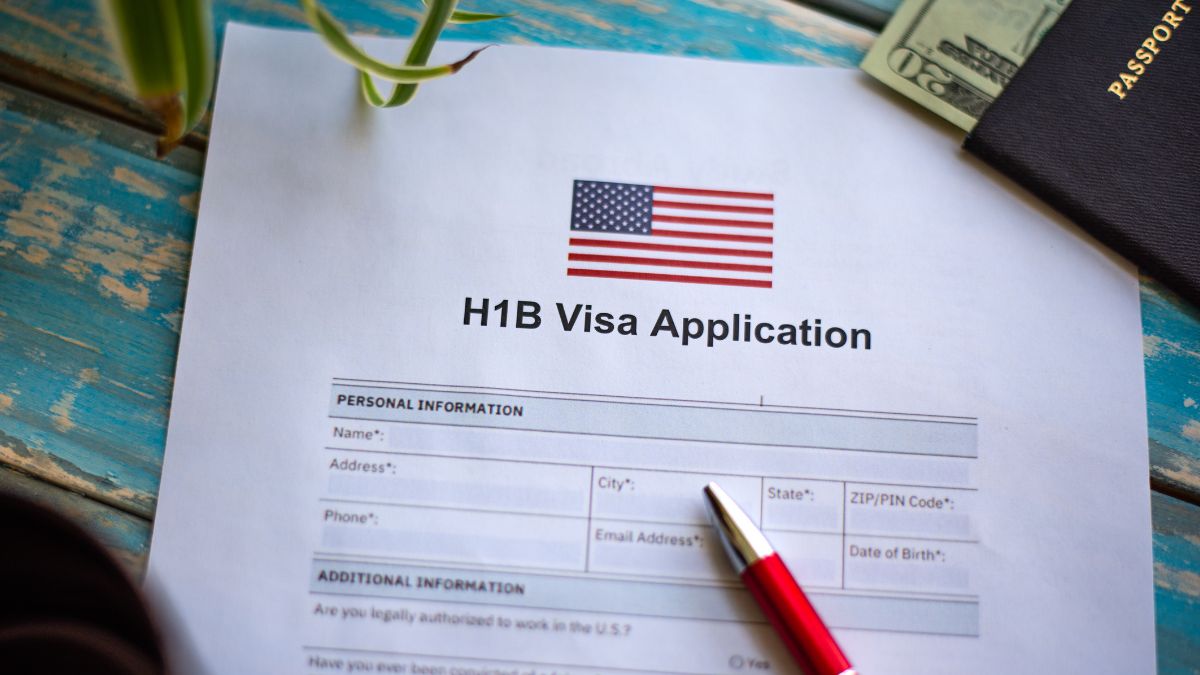
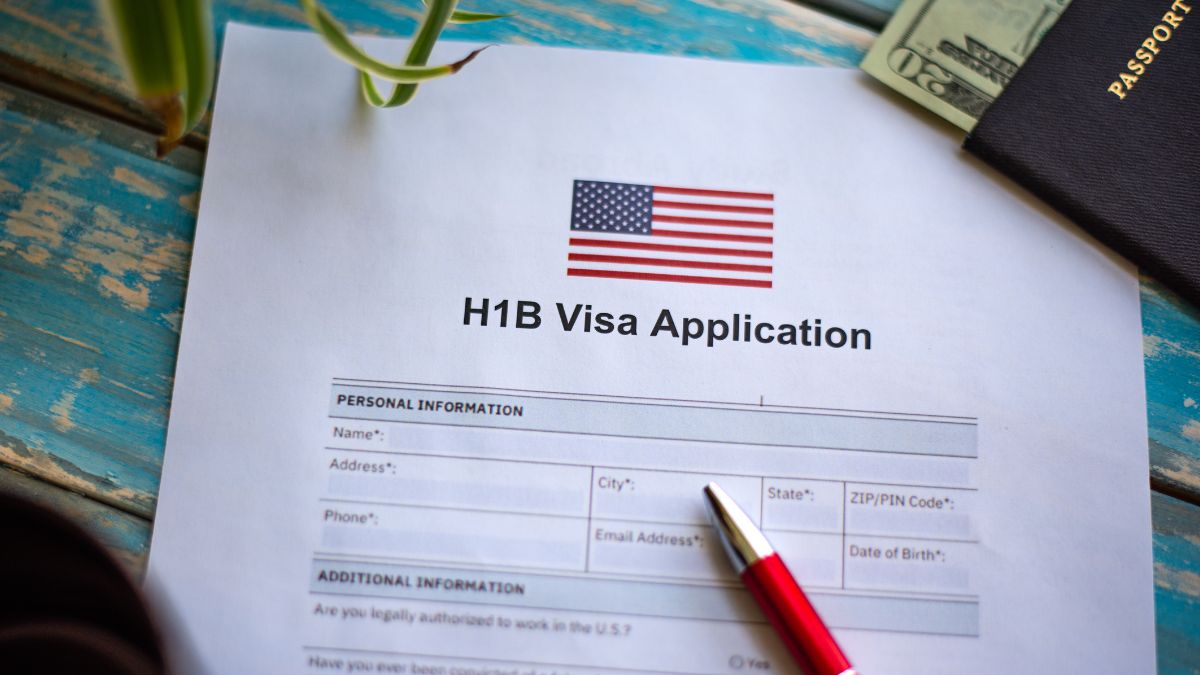
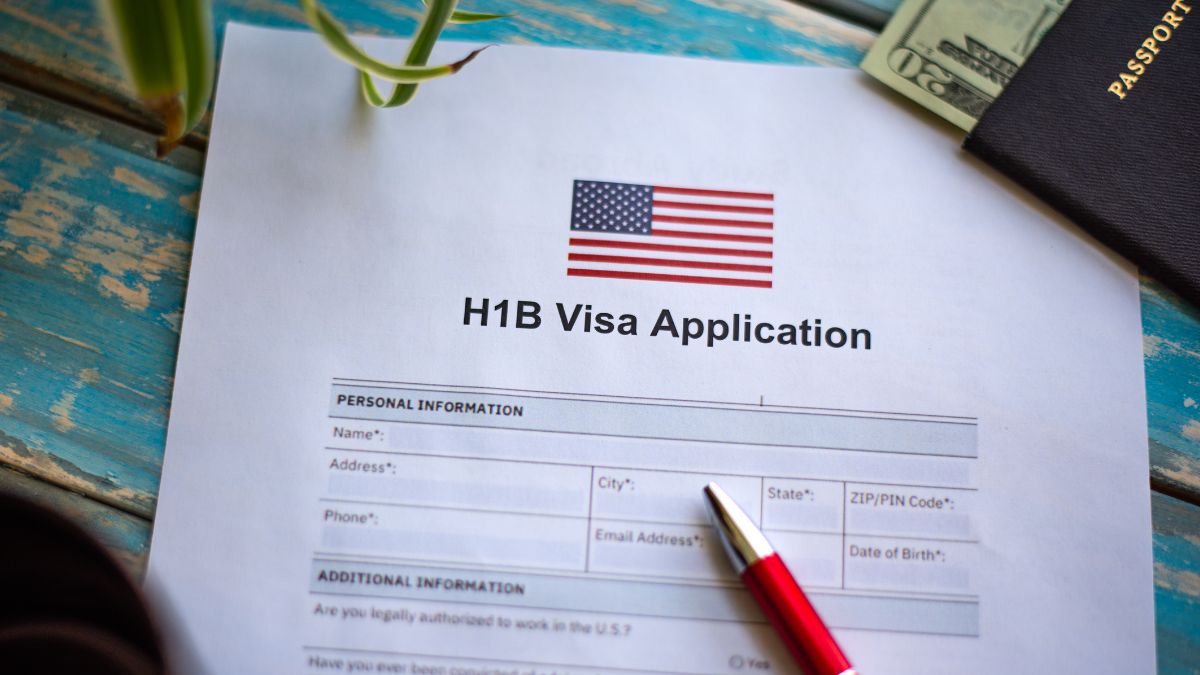
The US consulates in India have extended H-1B visa interview appointments to 2027, with major disruptions for Indian professionals employed in the United States. The delays began in December 2025 and are a response to new policies, including mandatory social media screening and the end of third-country visa stamping.
Reasons Behind the Delay
There is one prominent factor mandatory social media screening, introduced on December 15, 2025. All employment-based visa applicants will need it and this new requirement has added processing time per applicant and reduced the number of interviews consulates can conduct in a single day. Besides, the abolishment of third-country stamping has placed all demand on Indian consulates and has caused serious delays. One contributing factor is the pending reform of the H-1B lottery that begins February 27, 2026, ranking registrations according to US labor department wage levels, with higher-skilled, higher-paid workers at the forefront.
Impact on Indian Professionals
Now, dozens of H-1B visa holders traveling to India for stamping find themselves stranded, unable to come back to the United States. The delays have also created project disruptions across sectors including technology, healthcare, and education, with effects on timelines and cost efficiency. Prolonged delays could cause talent depletion, which could lower the US’s capacity to attract skilled professionals from around the globe, experts say.
Advice for H-1B Holders
The backlog has led immigration attorney Emily Neumann to recommend that US H-1B holders avoid stamping in India. Or companies may have to look for alternative assignments in countries where there are faster visa processing or find the cash to spend on premium processing.
Looking Ahead
Unless the US government intervenes through temporary drop-box or interview-waiver programs, its situation will only worsen. Addressing the backlog will be crucial to prevent further disturbances to professionals, businesses, and America’s global human workforce competitiveness.