The landscape of American immigration has shifted significantly as the U.S. government officially moves to replace the long-standing random H-1B visa lottery with a weighted, wage-based selection system. Finalized in December 2025, this sweeping overhaul marks a decisive pivot toward a "merit-first" approach, prioritizing high-earning and highly skilled foreign professionals over the "luck of the draw."
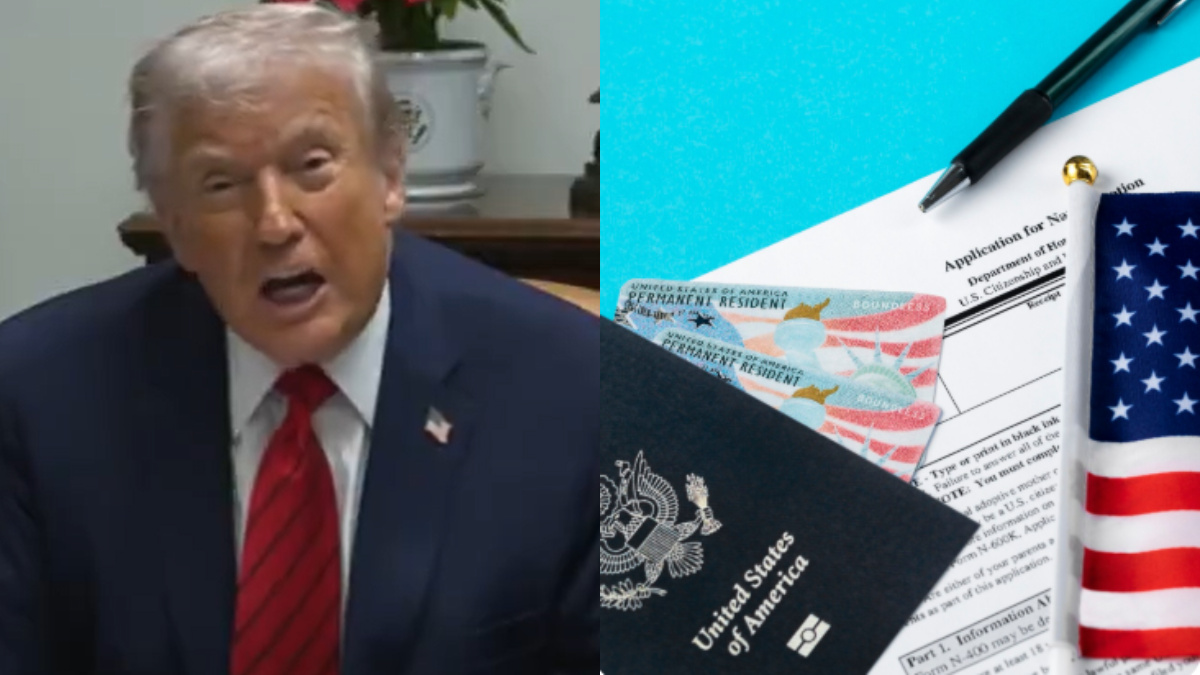
The new regulations, set to take effect on February 27, 2026, will fundamentally change how the 85,000 annual H-1B slots are allocated.
From Random Chance to Wage Weighting
For decades, the H-1B process relied on a computerized lottery where every registered applicant had an equal chance of selection, regardless of their salary or experience. Critics argued this allowed companies to flood the system with low-wage, entry-level applications, often at the expense of veteran specialists and American workers.
Under the new final rule, the Department of Homeland Security (DHS) will categorize applications based on the Department of Labor’s four-tier prevailing wage levels. The more a role pays relative to the local market, the more "entries" it receives in the selection pool:
| Wage Level | Description | Lottery Entries |
| Level IV | Fully Competent (Senior/Expert) | 4 entries |
| Level III | Experienced (Advanced) | 3 entries |
| Level II | Qualified (Mid-level) | 2 entries |
| Level I | Entry Level (Junior) | 1 entry |
This mathematical weighting dramatically tilts the scales. Early projections suggest that Level IV applicants could see their selection probability surge by over 100%, while Level I applicants—typically recent graduates or junior staff—could see their chances drop by nearly 50%.

Protecting the "Best and Brightest"
The administration’s stated goal is to ensure the H-1B program serves its original intent: filling labor gaps in highly specialized fields where American talent is scarce. By favoring higher wages, the government aims to:
- Incentivize higher pay: Employers must now pay top-tier salaries to secure high selection odds.
- Curb "Gaming" of the System: The rule makes it harder for staffing firms to secure visas for lower-paid roles through bulk filings.
- Strengthen US Competitiveness: Priority is given to individuals in fields like AI research, specialized engineering, and advanced medicine.
The $100,000 Fee and Other Hurdles
The move away from the lottery isn't the only change. The policy follows a controversial presidential proclamation requiring certain employers to pay an additional $100,000 fee for H-1B petitions for workers currently outside the U.S.
Combined with the wage-weighting, this creates a high barrier to entry. While tech giants like Amazon and Google—who typically pay top-tier wages—may still secure their talent, small businesses and startups may find it increasingly difficult to compete for international talent.
Looking Ahead: FY 2027 and Beyond
The new system will first apply to the FY 2027 H-1B cap season, with registration beginning in March 2026. Employers are already being advised to audit their job descriptions and Occupational Employment and Wage Statistics (OEWS) codes to ensure their filings reflect the highest defensible wage levels.
While legal challenges from business groups and immigration advocates are expected, the message from Washington is clear: the era of the random H-1B lottery is over, and the era of the "high-skilled, high-paid" priority has begun.