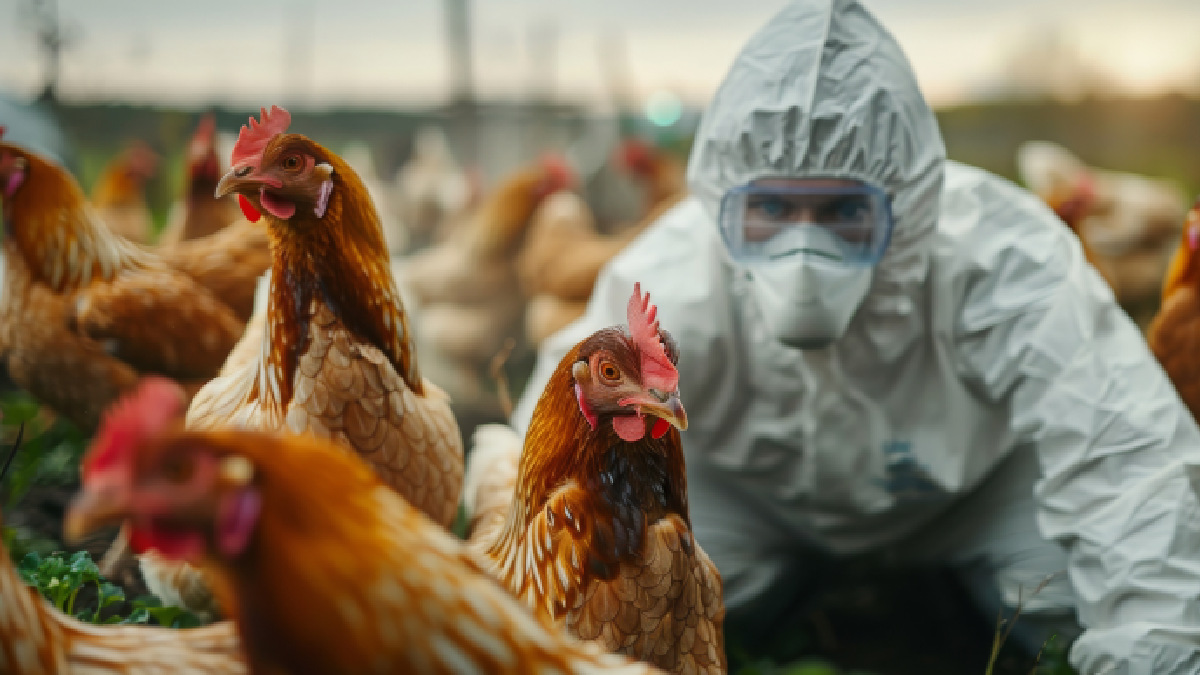
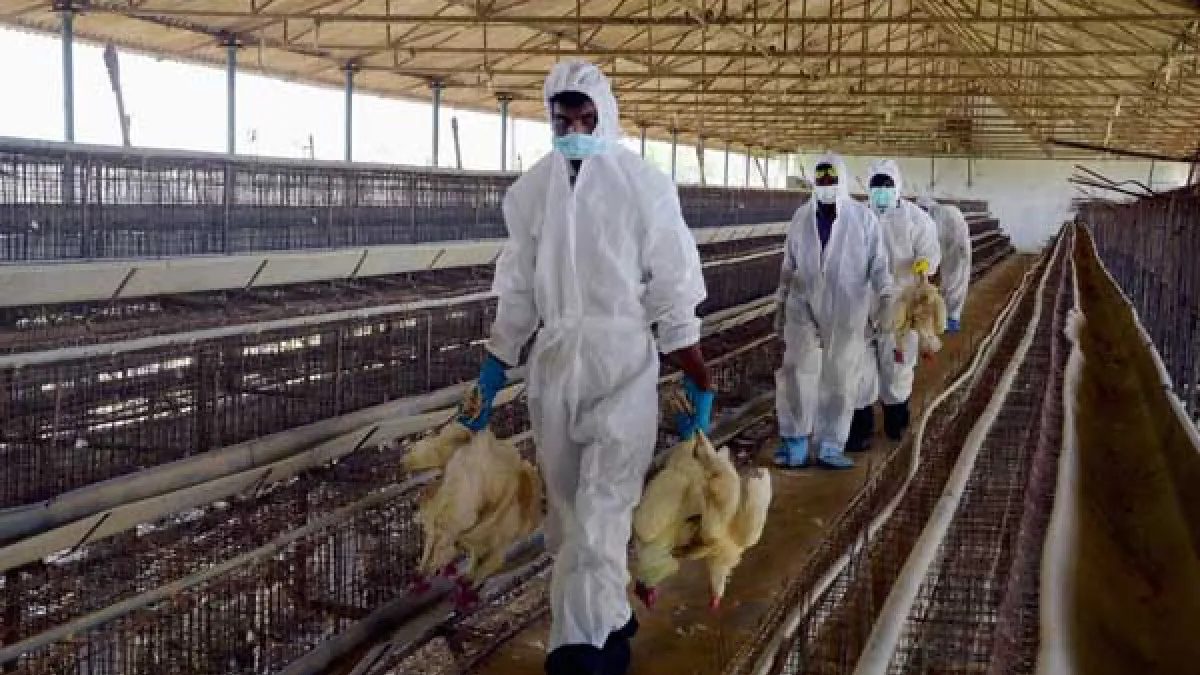
After confirming H5N1 avian influenza virus in wild birds in the state capital, the Tamil Nadu government has imposed a statewide disease surveillance protocol. At least 1,000 to 1,500 crows were reported dead in the state between late January and February 7, 2026, mostly falling from trees in residential areas.
The Scale of the Outbreak
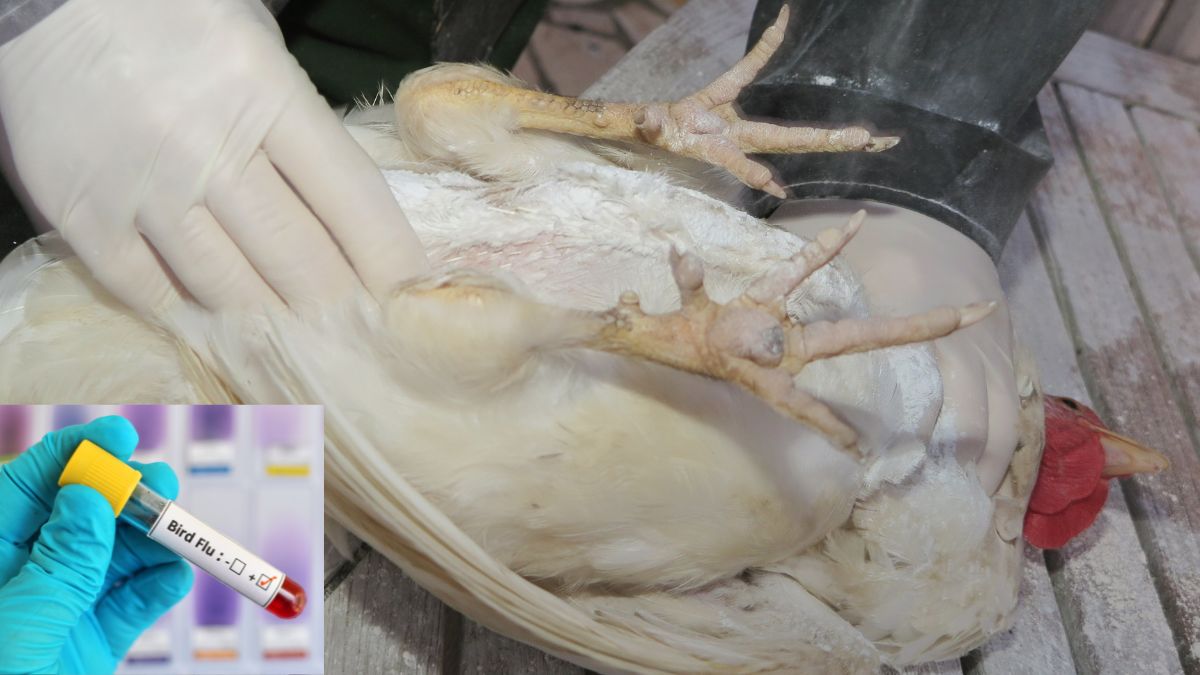
The sudden mortality was reported initially by residents in Adyar, Velachery, Thiruvanmiyur and along the East Coast Road (ECR). Subsequently, samples were forwarded to the ICAR-National Institute of High-Security Animal Diseases (NIHSAD), Bhopal and they determined the high virulence of the H5N1 strains.
The Union Ministry of Animal Husbandry in Tamil Nadu has called upon Tamil Nadu to develop their "One-Health" system, bringing in human health as well as animals and wildlife monitoring to stem the spreading of the disease.
Are Humans at Risk?
Health officials have responded quickly to the public anxiety, including Tamil Nadu Health Minister Ma Subramanian. "There is no basis for panic. H5N1 is extremely pathogenic in birds, but the risk of having this disease in humans is very uncommon," the Minister said.
- Key Facts on Human Risk: No infections reported, as of today: There are no human infections in Chennai and the general Tamil Nadu region.
- Transmission Mode: Infection generally happens only after prolonged and direct contact with infected birds, their droppings, or contaminated surroundings.
- Human-to-Human Spread: In the past, the H5N1 virus has had difficulty spreading to and from humans.
Official Health Advisory
There are several general recommendations made by the Directorate of Public Health (DPH) on a minimum number of people's personal requirements:
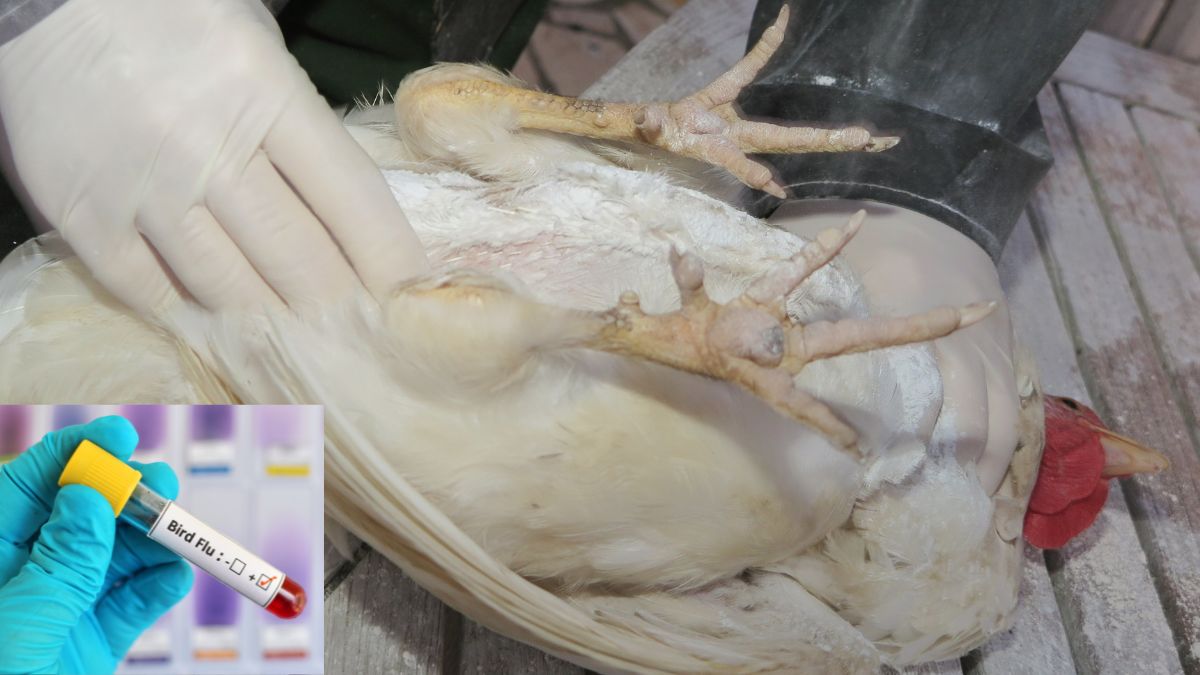
- Do Not Touch Dead Birds: Do not touch dead birds with your hands. Spot a dead bird and call the Animal Husbandry Department straight away via the 104 helpline.
- Safe Consumption: Poultry and eggs are safe to eat if properly cooked. Don’t eat raw or partially cooked eggs (half-boiled or sunny-side-up) during the outbreak.
- Hygiene: Always wash hands in a strict manner especially if living near infected areas or working with poultry, or if you also happen to be the owner.
- Symptom Monitoring: After possible exposure, anyone with flu-like symptoms after having flu – from high fever, cough, sore throat or difficulty breathing – should take immediate medical care when they first see a doctor at government offices.
Containment Efforts
The Greater Chennai Corporation (GCC) has started to disinfect contaminated areas and to dispose of the carcasses safely either burying them in a grave (8-10 feet deep) or incinerating them. Surveillance has also been enhanced in Namakkal, the state’s poultry hub, to guard against the virus entering the commercial supply chain. Because migratory birds will flock to the city’s wetlands in this season, the rest of the winter will keep such individuals vigilant, experts caution.