In an age when digital connections are a lifeline to families, cybercrime is targeting our most vulnerable people elderly couples. So-called “Digital Arrest” or “Escape” frauds are used to exploit fear and loneliness to drain money and lives in a matter of hours.
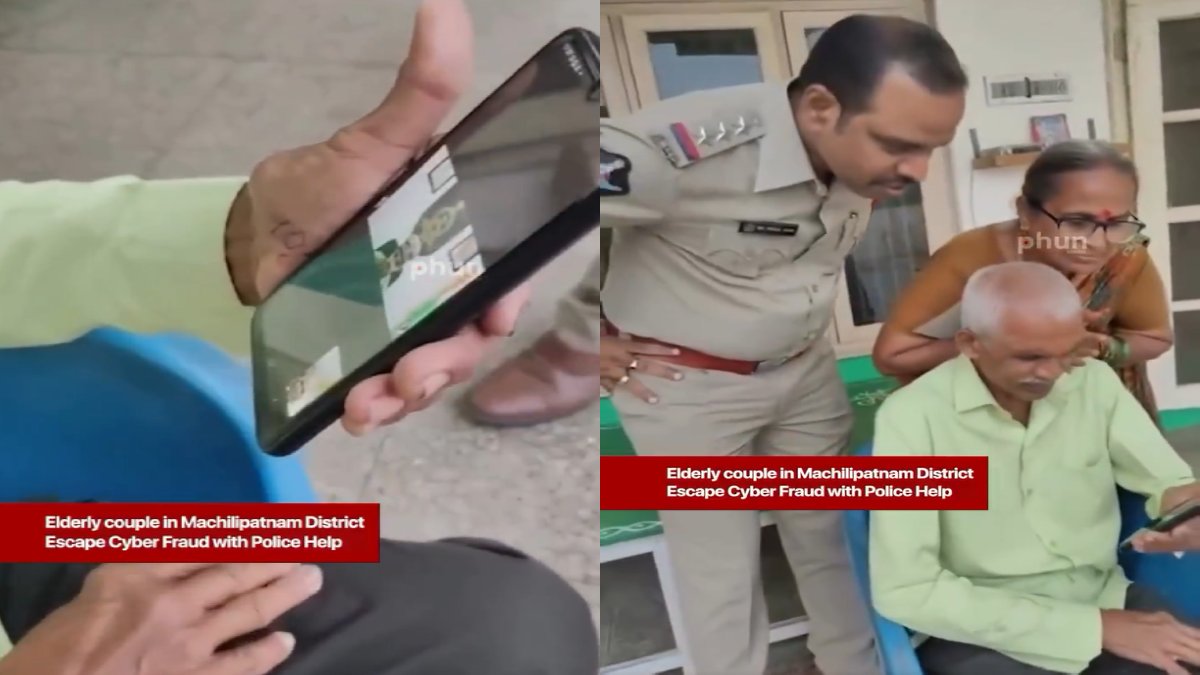
Recently, in the Eedepalli area of Machilipatnam, a retired employee Pedireddy Harinath and his wife were attacked by a fraudster who wanted to have money out of their house by video call from Pune. The scammer said Harinath’s ATM card was found with apprehended terrorists and that a CBI warrant had been issued for his arrest.
Fortunately, the vigilance of a neighbor and the swift intervention of Chilikalapudi Circle Inspector Shaik Abdul Nabi stopped the money from getting transferred. Unlike traditional phishing, these scams are psychological terror.
Elderly Couples are the Primary Targets for 'Escape' Cyber Frauds. Educate them about these scams.
— Dr Ranjan (@DocRGM_) April 3, 2026
Police Authorities successfully tackled one such case in Machalipatnam, Andhra Pradesh.
Stay Vigilant and Be Aware. pic.twitter.com/a42Jwf0Zx9

Fraudsters typically pose as high-ranking officials from the CBI, ED or Police and tell their victims they are in the throes of a huge crime money laundering, narcotics trafficking and ‘arrest’ them virtually. The victims are told they must remain on a video call and they cannot contact anyone so that they are kept under house arrest for days until they pay a “security deposit” to settle the case.
And in India, there is no legal protection for ‘Digital Arrest’. The CBI or Police will never contact you on WhatsApp or Skype to demand money or to initiate a trial over a video call. If you get a call like this, the first thing is to keep calm. Scammers are using urgency to keep you from thinking logically. Always verify the caller’s claims by hanging up and calling your local police station or a trusted family member.
Never share OTPs or bank information on the phone: No government agency will ask for your passwords, CVV or OTP. The secret word strategy: Set up a password for your family only. If a person is calling and says my relative is in trouble, ask for the secret word. You know that you cannot share travel plans or personal details on social media because it is where scammers are trying to build a story.
You call 1930 (National Cyber Crime Helpline) or report it at www.cybercrime.gov.in. The success in Machilipatnam shows us that awareness is our strongest defense. We will ensure that the golden years for our seniors are secure from digital predators in the next generation by staying informed and always watching out for each other.