Several gates of the Salal Hydroelectric Power Station in Jammu and Kashmir’s Reasi district have been opened after heavy rainfall significantly increased water inflow into the Chenab River and Salal reservoir.
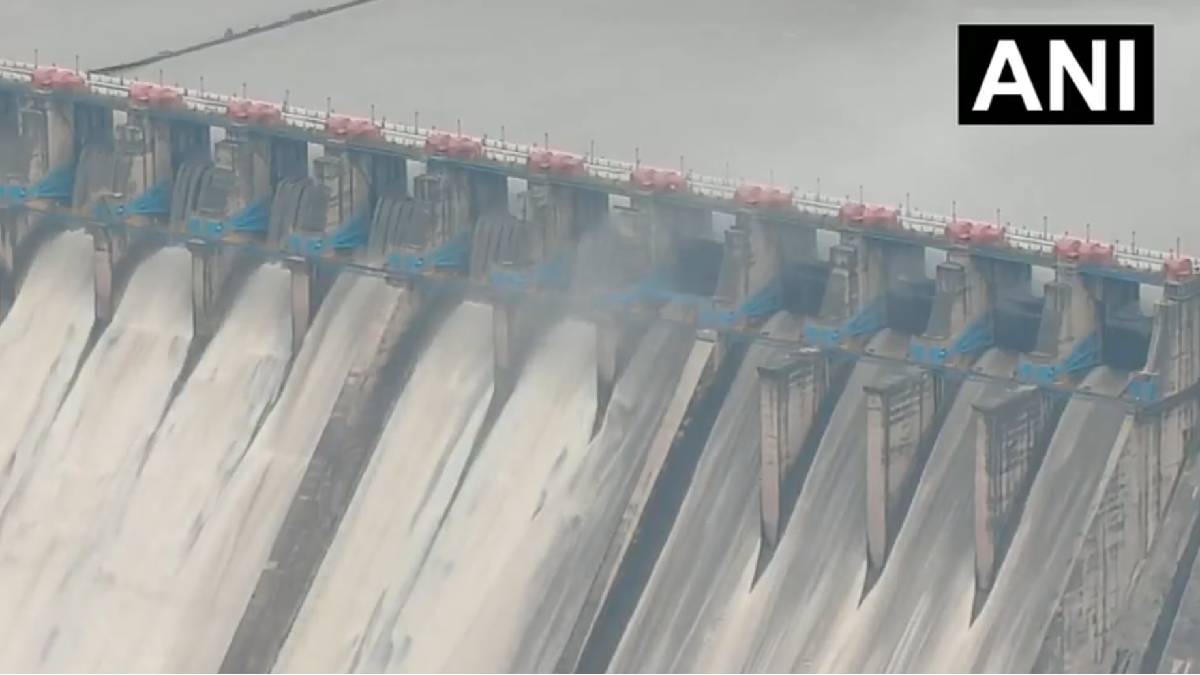
The dam gates were opened to control the reservoir level and to keep the excess water from entering the hydropower project. The increase in discharge also caused water levels and flows into the Chenab downstream to dramatically increase, and the authorities advised people living near the river and in low-lying areas to be alert.
🚨 BIG! Multiple gates of the Salal Hydroelectric Power Station in Reasi, J&K have been OPENED after heavy rainfall increased water inflow into the Chenab River.
— Megh Updates 🚨™ (@MeghUpdates) July 31, 2026
With the Indus Treaty in abeyance, India will decide the flow, NOT Pakistan.
=> One day, drought. The next, flood🔥 pic.twitter.com/b4RiA9WX9t
Heavy rainfall in Reasi and the upper catchment areas of the Chenab has increased the amount of water entering the reservoir. As inflows rose, the spillway gates were opened as part of the dam management to keep the dam safe and reduce pressure on the dam.
Officials are closely monitoring rainfall and reservoir levels and water levels in the river downstream of the Chenab reservoir and the Chenab’s downstream flow. Residents are advised not to go near the river because of the strong currents and the rapidly changing water levels.
The development is significant because the Salal project is situated on the Chenab, one of the western rivers covered by the Indus Waters Treaty between India and Pakistan. After the Pahalgam terror attack in 2025, India put the treaty in abeyance, and its future is a major issue in relations between the two countries.
But the opening of Salal gates during the recent spell of heavy rain could not be interpreted as a decision to deliberately increase or reduce water flow to Pakistan. The current operation shows that the gates were opened for the flow of inflows and the reservoir to be managed. The immediate reason for the discharge was for flood and reservoir management.
But the situation has stirred up a public debate about India’s control and management of water resources flowing through the Indus river system. With the treaty in limbo, India already says it intends to reconsider its way of using the western rivers. Long-term changes in water storage, hydropower production or diversion projects would require policy, engineering and administrative work to be done differently.
The dramatic change in river conditions also shows the difficulty of extreme weather. When the water supply is low for a long time, heavy rains can quickly increase, and the river flow can be high, and this can make the communities, infrastructure and hydropower plants at large disaster-prone.
The phrase “one day drought, the next flood” is a reflection of public concern over changing water conditions, but the rise in the Chenab is clearly linked to heavy rainfall and increased inflow into the Salal reservoir.
The weather and river conditions will be monitored by local authorities. Residents living around the Chenab should be on the lookout and heed official warnings as water levels may vary depending on rainfall and reservoir inflows.
The opening of the Salal gates also points to the need for coordinated flood management and early warning in mountainous areas where heavy rainfall can quickly swell river discharge.