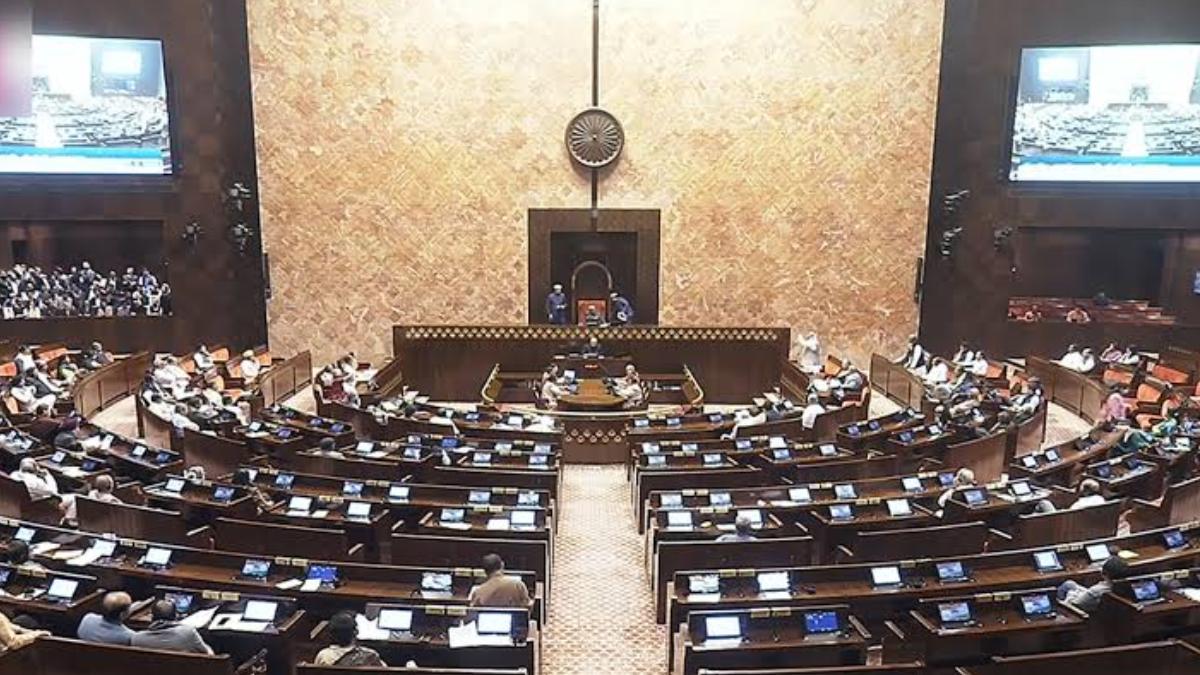
India’s infrastructure transformation is in its 80th Independence Day as well: from modern highways and expressways to high-speed rail corridors, metro networks, airports, tunnels, bridges and inland waterways, India has been expanding its physical connectivity.
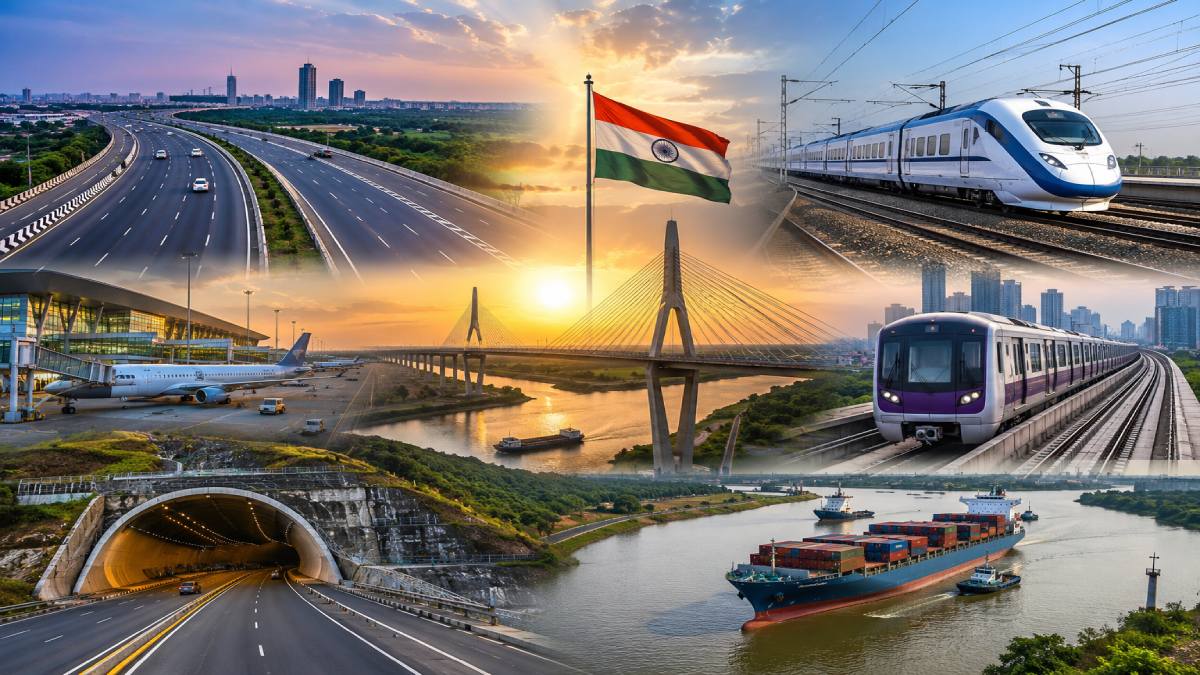
High-speed transport is also making travel more convenient and connecting businesses, communities and markets to boost the economy in every region of the country.
The road infrastructure is one of the most important elements of India's connectivity expansion. New national highways, access-controlled expressways, elevated corridors, bypasses and bridges are transforming people and goods moving from city to city and state to state. Major road construction projects are all aimed at reducing travel time, improving logistics efficiency and better connecting industrial centres, ports, agricultural areas, and urban markets. Expressways have changed long-haul road travel by providing faster and more organized links between major economic centres.
The development of road links is also closely linked to India’s aspirations to develop its logistics sector. Smarter transportation networks will reduce the time to move raw materials and finished products and help businesses be more competitive. Better highways may also make it easier for farmers, small businesses and manufacturers to access markets. Connectivity to areas that are still not covered can open up opportunities to other areas outside the big cities and metropolitan areas for the future.
India’s railway infrastructure has also undergone an equally dramatic transformation. New railway lines are being built, and existing lines are being improved for faster and more efficient services to be provided. Electrification and modernization of railway transportation systems have made the railway system more efficient, and freight infrastructure is being constructed to increase the efficiency of the whole country’s transportation system. Railways remain essential in India's transportation system– they can transport an enormous number of passengers and freight.
The growth of metro rail networks has also changed the landscape of urban transportation. Cities across India are developing metro lines to provide mass transit to millions of people. Metro networks can ease transportation pressure on the roads, shorten commuting times and provide alternatives to private vehicles, which could alleviate transportation congestion. As India’s urban population grows, modern public transportation is becoming increasingly important for managing congestion and supporting sustainable urban development.
Air connectivity has become an increasingly vital part of the infrastructure story. New airports, larger terminals and better regional connectivity are bringing air travel closer to communities that have historically been starved of aviation services. Better airport facilities will help to boost tourism, business travel and investment and regional growth. Airports are increasingly being seen as gateways to national and international markets.
Bridges and tunnels have played a very important role in India overcoming its difficult geography. Mountainous terrain, rivers, valleys and densely populated cities make transportation difficult. Modern bridges and tunnels help infrastructure networks cross these obstacles more efficiently.
The development of tunnels also improved strategic and economic connectivity in challenging terrain. Tunnels reduce the travel distance and make transportation less reliant on challenging surface routes in mountainous areas, and can support local economies, tourism and access to essential services while connecting remote communities to major urban centres.
Waterways are another aspect of India’s rapidly growing transportation system. Inland waterways can be an alternative way of transporting goods and may reduce the pressure on road and rail systems. With India's extensive river systems, there are opportunities for more efficient freight transportation, particularly for bulk commodities.
Ports and coastal infrastructure are equally important to India’s economic ambitions. International trade is growing, and efficient ports are crucial for importing raw materials and exporting manufactured goods. Better port facilities, improved road and rail connections, and logistics systems can reduce the cost and time of international trade. Stronger maritime infrastructure can therefore increase India’s position as a major player in the global supply chain.
The infrastructure transformation is also closely related to India’s growing focus on self-reliance. Better connectivity can serve domestic manufacturing by linking factories to suppliers, workers, ports and consumers. Industrial corridors and logistics networks can create integrated economic ecosystems in which manufacturing and distribution work better. This can increase domestic production and create opportunities for employment and entrepreneurship.
Infrastructure development can also have a direct impact on everyday life. Better roads can make it easier for people to reach schools, hospitals and workplaces. Improved rail and metro systems can provide affordable transportation for urban residents. Airports can link small cities to larger economic centres, while bridges and roads can connect remote communities closer to essential services.
The transformation goes beyond the physical. The infrastructure is being transformed with digital technologies, automated systems, advanced construction methods and data-driven management. Smart traffic systems, electronic toll collection, digital ticketing and real-time transportation information are examples of how technology is being integrated into physical infrastructure. These changes can improve efficiency and make transportation systems easier to use.
At the same time, India’s infrastructure expansion requires careful planning. Large projects entail significant investment, land acquisition, environmental assessment and coordination between different agencies. Construction activities can impact local residents and ecosystems. India’s next phase of growth will need to ensure that the infrastructure development is economically efficient and socially responsible.
Urbanization is another big challenge. As cities grow, the demand for roads, public transportation, housing, water supply and other services is on the rise. So infrastructure planning needs to predict future population growth rather than simply address current congestion. Integrated urban planning, multimodal transport and efficient public transit will be key to the development of Indian cities as they become larger and more populated.
The development of infrastructure also has implications for national resilience. Strong transportation networks can help communities and governments in dealing with emergencies and natural disasters. When one or more roads, bridges, rail links and communication-related transportation facilities are disrupted, alternative routes can provide valuable redundancy. As India approaches its 80th Independence Day, the nation’s infrastructure story is one of a shift from the basics of connectivity to the creation of integrated, high capacity networks. Highways connect cities and railways take passengers and freight, metros service growing urban populations, airports open up regional and international routes, tunnels deal with the tricky terrain and waterways provide logistics options.
It’s the transformation beyond concrete, steel and technology. Infrastructure determines how people can travel, how goods can reach markets and how efficiently businesses can operate. It affects where companies invest, where jobs are created and how communities contribute to economic growth. Infrastructure in this sense is not some piece of construction projects, but is the basis for India’s future.
India too has a changing economic outlook built on infrastructure and transportation. An expanding economy requires transportation systems capable of handling growing passenger and freight volumes. Modern infrastructure can avoid logistics choke points, strengthen supply chains and improve competition among Indian businesses.
It will be another step forward for India in its independence journey and more and more connectivity will be the foundation for India's development as it gets closer to independence, as this country becomes a nation; and so it continues to be. So we will be in the business of improving existing infrastructure, completing major projects, connecting areas in which there is a lack of access and building transportation infrastructure which is efficient, resilient and sustainable.
The infrastructure transformation that is happening in India is a big part of the country’s modern development story. Expressways cutting travel times to metro systems changing urban commuting, modern airports increasing connectivity and railways driving freight movement are all changes happening across the country. And this all comes right at the end of India’s 80th Independence Day and it’s time to give new meaning to the link between connectivity and the country’s economy and how it will be a better economy if it’s connected.