Hoskote's billboard collapse, which ended in four fatalities in a recent deluge over the city, has ignited a wave of rage and public concern for public safety, indifference to civic responsibilities, and blame.
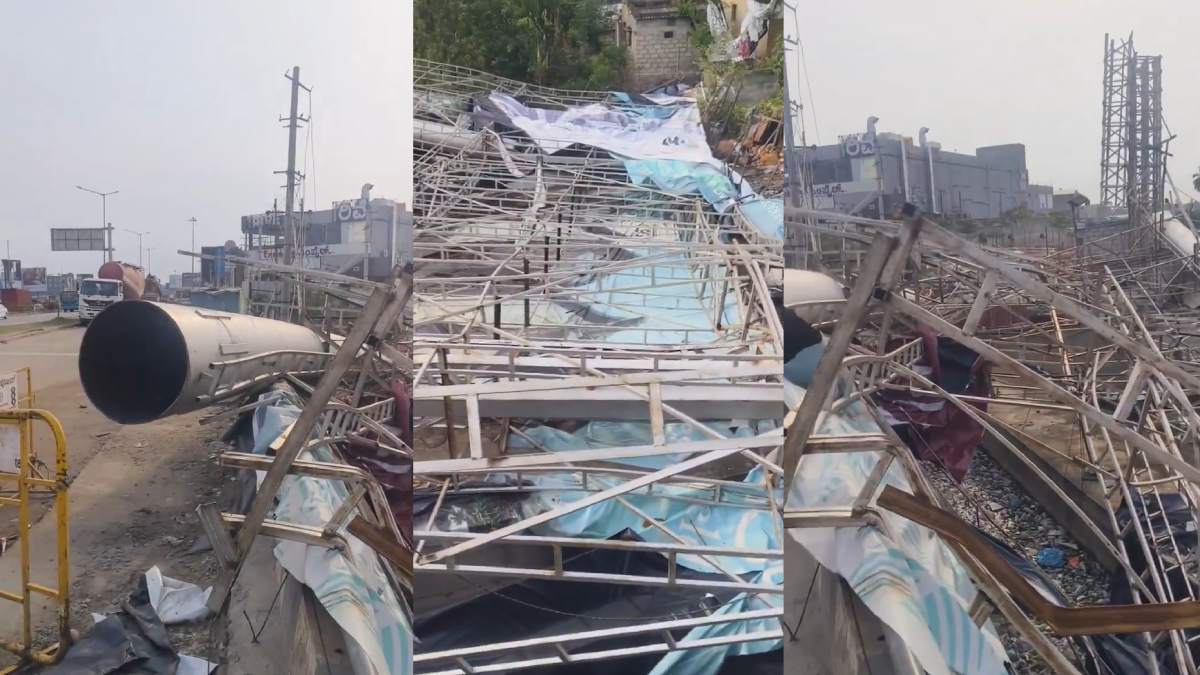
More recently, what folks today mostly call a preventable disaster has exposed the dangers of poorly overseen hoardings and oversized ad displays spread throughout urban areas. The billboard, reportedly toppled by heavy rain and fierce winds, crushed its victims and injured others.
The incident has terrified residents and accused civic authorities of failing to do what it contends are insufficient safety inspections and structural monitoring standards. Witnesses said images of panic descended, and chaos followed, as a grand structure crashed suddenly onto a packed public space during the violent deluge.
Emergency responders arrived at the scene to rescue trapped victims, and four people died in the accident. The incident reintroduced a well-known concern that occurs nearly every monsoon season in Indian cities, the collapse of fragile hoardings, trees, walls and illegal buildings under heavy rain and fierce winds.
Many accidents have occurred in the past, citizens and activists say, but authorities react only to a death. Public outrage grew on social media, with many users asking who had approved the billboard’s installation and whether mandatory structural safety checks had ever been performed.
Massive banners and hoardings attracted criticism as they have been constructed in the busiest urban areas without a thorough assessment of how strongly they were built on the ground, resistant to wind or permanent upkeep. Urban safety experts say billboard collapses are rarely “natural accidents” isolated from each other.
The Hoskote billboard collapse during heavy rain that killed 4 innocent people is not just an accident it is sheer negligence.
— Karnataka Portfolio (@karnatakaportf) May 22, 2026
Why are giant banners and hoardings installed without proper safety inspections? Every monsoon, weak structures collapse and innocent citizens suffer… pic.twitter.com/uIRY4Saitq
Bad materials have a weak grip on the structure, but illegal renovation, corrosion, lack of maintenance of buildings, inadequate upkeep, and not adhering to engineering standards are all major contributors. Some from Hoskote in and around the city said large hoardings had been erected for years without appropriate checks, especially before the monsoon season.
Now that some have begun questioning whether local authorities have conducted any pre-rain safety audits of large outdoor advertising structures. The tragedy has also fueled criticism of governance and monitoring systems in rapidly expanding urban areas.
Unchecked growth of infrastructure, experts say, puts the average citizen at risk, lurking under the radar, it is a problem we have seen numerous times in projects that aren’t built to the letter, with sound safety standards. Numerous activists have been calling for criminal charges against those who approved, installed and maintained the flattened billboard.
Accountability should extend beyond temporary suspensions or searches, they say, and could include steep legal penalties if there are signs of negligence. Investigators are presumably expected to investigate whether the structure was approved by the local authorities, if any engineering requirements were applied for its use, and if any warnings about its instability were ignored before it fell over.
The case is another of the many cases of illegal commercial and ill-maintained hoardings in cities of urban India. Other billboard collapses in the region’s other states in recent years have also empowered courts and civic agencies to enforce the regulations; the law remains relatively lax.
Many urban cities are experiencing more frequent heavy rain and extreme weather events due to climate change. This indicates a requirement for routine safety inspections of major public amenities, urban planners say. Now, victims’ families are calling for justice, and citizens are asking why preventable failures in infrastructure have kept costing civilians their lives repeatedly.
For many, the Hoskote tragedy is not merely an accident of the weather, but rather a sad one; it demonstrates once more the sad reality that if you let negligence or bad governance make public life a danger.
Now, the pressure is being placed on civic bodies to ensure that billboards, hoardings and other vulnerable buildings and infrastructure in Karnataka are audited before more of these threats are made worse by the monsoon season over it, as investigations take shape.