The southwest monsoon is one of the most important events in the Indian economy and agricultural calendar each year.
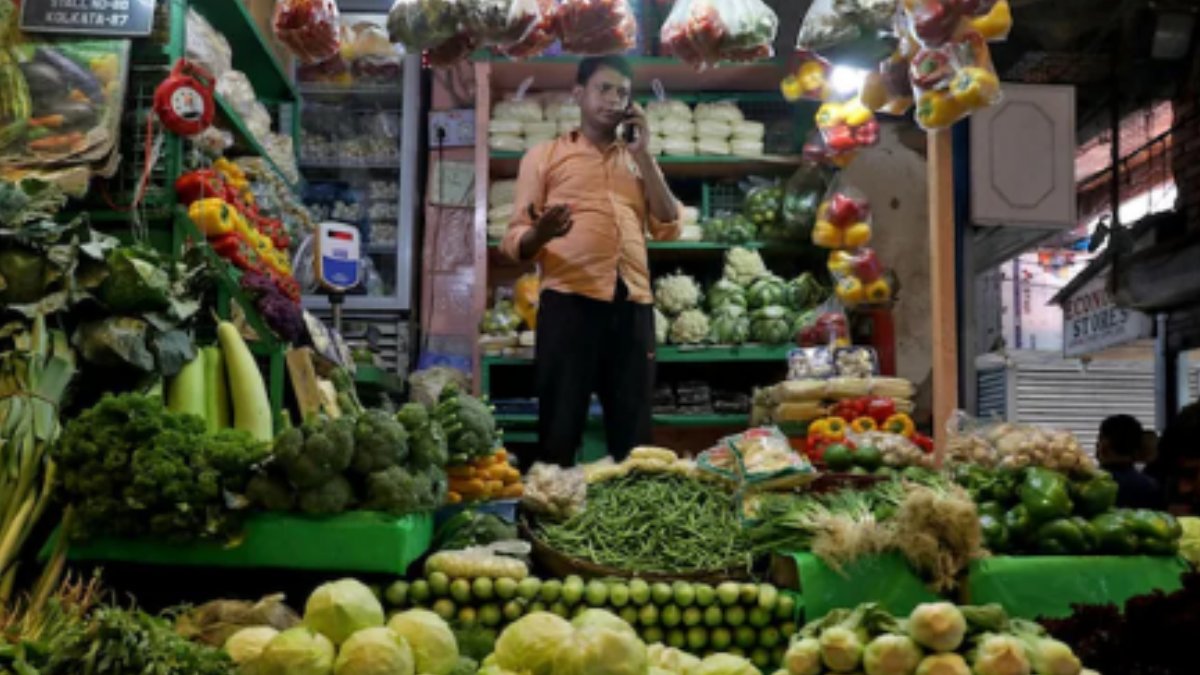
Although timely rainfall is essential for crop cultivation, water storage and rural livelihoods, too much or too little rainfall can have a direct impact on the price of vegetables, the availability of milk, and millions of people’s monthly budgets in India.
The monsoon has a direct effect on the prices of vegetables, milk supply, and the food supply chain of all food items from farmers in rural India to the consumers in the cities and the food providers in big cities.
India receives nearly 70% of its annual rainfall in monsoon season, and this season is very critical for agriculture. When the rain is enough, farmers plant crops like rice, pulses, sugarcane, cotton, and oilseeds as well. When the rainfall is less or more, crop production is low, and the supply of food items is not balanced, and prices are affected, therefore causing supply fluctuations.
Vegetables are among the first commodities to experience the effects of heavy rains. Tomatoes, onions, leafy greens, brinjal, cauliflower, and okra are especially susceptible to flooding and waterlogging. Too much moisture can hurt roots; fungal diseases and crop yields suffer. And if crops survive, transportation is difficult due to flooded roads, landslides, and disrupted logistics. As supplies to wholesale markets are low, retail prices rise dramatically, and ultimately consumers spend more on daily groceries.
Tomatoes and leafy vegetables often escalate as a big seller during heavy rainfall because they are very perishable and cannot be stored for long periods. Onion prices can fluctuate with storage conditions and the availability of fresh arrivals from producing countries. Such unpredictability can directly affect household food prices, particularly for middle- and lower-income families.
The dairy industry is also affected by the monsoon. Heavy rainfall can reduce the availability and quality of cattle fodder in some regions and make the route from villages to processing plants more difficult. Waterlogged roads and disruption in rural transport networks can delay milk collection, which has the effect of affecting the daily supply chain.
Livestock diseases can also arise during the rainy season, as humidity levels are higher and poor sanitation is worse for livestock under water. Dairy farmers face higher veterinary expenses and feed costs, and these can eventually result in higher procurement and retail milk prices. Large dairy cooperatives usually have a stable supply through large procurement systems, but in some areas where heavy rains are very strong, local shortages can take place.
Household budgets are often put under additional pressure during the monsoon season. Rising prices of vegetables, fruits, milk, and other essential food items increase monthly grocery expenses. At the same time, families may spend more on electricity due to less sunlight, healthcare because of seasonal illnesses, and transportation as weather-related disruptions increase travel costs.
Monsoon-related illnesses such as viral infections, dengue, malaria, and waterborne diseases also carry higher medical expenses. Parents might need to allocate more money to drugs, doctor visits, and preventative measures like mosquito repellent and water purification.
Food service companies also feel the impact of agricultural supply fluctuations. For vegetables and dairy products, restaurants, hotels, and street food vendors face higher procurement costs. Some businesses may reduce menu prices or reduce portions to cover rising input costs, indirectly affecting consumers.
For farmers, however, a normal monsoon is still essential for long-term income stability. Good rainfall increases soil moisture and reservoirs and increases agricultural production so that, after the initial seasonal fluctuations, we have some stabilization of food prices. Strong crop production is a boost for rural employment and demand in the agricultural sector and across various sectors of the economy.
Government agencies closely monitor food prices in the monsoon, and they often take action where required. Such measures as releasing buffer stocks of onions and pulses, linking markets across the country, improving market logistics, and controlling hoarding help reduce unpredictable price volatility. State governments also make drainage improvements and flood-control measures so agricultural supply chains are well-protected.
Consumers can manage monsoon-related price increases by planning purchases carefully, choosing seasonal produce, reducing food waste, and comparing prices across local markets. Local vegetable procurement instead of those shipped over far distances can also reduce the cost of grocery shopping in times of supply disruption.
The monsoon is crucial for India’s food security and agricultural economy, but the intensity and distribution of rain also play a very important role in daily life. The way rainfall affects the price of vegetables and milk and household spending affects consumer behavior and the market in India. As climate variability increases, agricultural resilience, cold-chain infrastructure, and disaster preparedness are all important to ensure food security and to protect household budgets in the monsoon seasons.